All the latest breaking news on gay and same-sex marriage. Browse The THEGAYUK’s complete collection of features, articles and updates on gay and same-sex marriage.
As a reminder to where Scottish MPs stood on one of the most recent and important pieces of legislation affecting the LGBT+ community in the UK, we’ve listed all the MSPs who voted for same-sex marriage in 2014.
Here is the full list of MSPs who voted for same-sex marriage in Scotland.
CONSERVATIVES
Jackson Carlaw (West Scotland)
Ruth Davidson (Glasgow)
Annabel Goldie (West Scotland)
John Lamont (Ettrick, Roxburgh and Berwickshire)
Mary Scanlon (Highlands and Islands)
John Scott (Ayr)
SCOTTISH NATIONAL PARTY
George Adam (Paisley)
Clare Adamson (Central Scotland)
Christian Allard (North East Scotland)
Colin Beattie (Midlothian North and Musselburgh)
Marco Biagi (Edinburgh Central)
Chic Brodie (South Scotland)
Keith Brown (Clackmannanshire and Dunblane)
Margaret Burgess (Cunninghame South)
Aileen Campbell (Clydesdale)
Roderick Campbell (North East Fife)
Willie Coffey (Kilmarnock and Irvine Valley)
Angela Constance (Almond Valley)
Bruce Crawford (Stirling)
Graeme Dey (Angus South)
Nigel Don (Angus North and Mearns)
Bob Doris (Glasgow)
James Dornan (Glasgow Cathcart)
Jim Eadie (Edinburgh Southern)
Annabelle Ewing (Mid Scotland and Fife)
Linda Fabiani (East Kilbride)
Joe FitzPatrick (Dundee City West)
Kenneth Gibson (Cunninghame North)
Rob Gibson (Caithness, Sutherland and Ross)
Jamie Hepburn (Cumbernauld and Kilsyth)
Fiona Hyslop (Linlithgow)
Adam Ingram (Carrick, Cumnock and Doon Valley)
Colin Keir (Edinburgh Western)
Bill Kidd (Glasgow Anniesland)
Richard Lochhead (Moray)
Kenny MacAskill (Edinburgh Eastern)
Gordon MacDonald (Edinburgh Pentlands)
Derek Mackay (Renfrewshire North and West)
Mike MacKenzie (Highlands and Islands)
Michael Matheson (Falkirk West)
Stewart Maxwell (West Scotland)
Joan McAlpine (South Scotland)
Mark McDonald (Aberdeen Donside)
Christina McKelvie (Hamilton, Larkhall and Stonehouse)
Aileen McLeod (South Scotland)
Fiona McLeod (Strathkelvin and Bearsden)
Stuart McMillan (West Scotland)
Alex Neil (Airdrie and Shotts)
Gil Paterson (Clydebank and Milngavie)
Dennis Robertson (Aberdeenshire West)
Shona Robison (Dundee City East)
Michael Russell (Argyll and Bute)
Alex Salmond (Aberdeenshire East)
Stewart Stevenson (Banffshire and Buchan Coast)
Kevin Stewart (Aberdeen Central)
Nicola Sturgeon (Glasgow Southside)
John Swinney (Perthshire North)
David Torrance (Kirkcaldy)
Maureen Watt (Aberdeen South and North Kincardine)
Paul Wheelhouse (South Scotland)
Sandra White (Glasgow Kelvin)
John Wilson (Central Scotland)
LABOUR
Jackie Baillie (Dumbarton)
Claire Baker (Mid Scotland and Fife)
Richard Baker (North East Scotland)
Jayne Baxter (Mid Scotland and Fife)
Claudia Beamish (South Scotland)
Neil Bibby (West Scotland)
Sarah Boyack (Lothian)
Malcolm Chisholm (Edinburgh Northern and Leith)
Kezia Dugdale (Lothian)
Mary Fee (West Scotland)
Patricia Ferguson (Glasgow Maryhill and Springburn)
As a reminder to where Scottish MPs stood on one of the most recent and important pieces of legislation affecting the LGBT+ community in the UK, we’ve listed all the MSPs who voted against same-sex marriage in 2014.
Here is the full list of MSPs who voted against same-sex marriage in Scotland.
CONSERVATIVES
Gavin Brown (Lothian)
Alex Fergusson (Galloway and West Dumfries)
Murdo Fraser (Mid Scotland and Fife)
Alex Johnstone (North East Scotland)
Jamie McGrigor (Highlands and Islands)
Nanette Milne (North East Scotland)
Margaret Mitchell (Central Scotland)
Liz Smith (Mid Scotland and Fife)
SCOTTISH NATIONAL PARTY
Dr Alasdair Allan (Na h-Eileanan an Iar)
Roseanna Cunningham (Perthshire South and Kinross-shire)
As a reminder to where MPs stood on one of the most recent and important pieces of legislation affecting the LGBT+ community in England and Wales, we’ve listed all the MPs who voted for same-sex marriage in 2013.
Here is the full list of MPs who voted for same-sex marriage in England and Wales.
CONSERVATIVES (127)
The Conservative MPs who voted for same-sex marriage:
Stuart Andrew (Pudsey)
Greg Barker (Bexhill & Battle)
John Baron (Basildon & Billericay)
Gavin Barwell (Croydon Central)
Richard Benyon (Newbury)
Crispin Blunt (Reigate)
Nick Boles (Grantham & Stamford)
Peter Bottomley (Worthing West)
Karen Bradley (Staffordshire Moorlands)
James Brokenshire (Old Bexley & Sidcup)
Aidan Burley (Cannock Chase)
Conor Burns (Bournemouth West)
Alistair Burt (Bedfordshire North East)
Dan Byles (Warwickshire North)
David Cameron (Witney)
Neil Carmichael (Stroud)
James Clappison (Hertsmere)
Greg Clark (Tunbridge Wells)
Kenneth Clarke (Rushcliffe)
Damian Collins (Folkestone & Hythe)
Oliver Colville (Plymouth Sutton & Devonport)
Tracey Crouch (Chatham & Aylesford)
Stephen Dorrell (Charnwood)
James Duddridge (Rochford & Southend East)
Alan Duncan (Rutland & Melton)
Iain Duncan Smith (Chingford & Woodford Green)
Michael Ellis (Northampton North)
Jane Ellison (Battersea)
Michael Fabricant (Lichfield)
Mark Field (Cities of London & Westminster)
Mike Freer (Finchley & Golders Green)
Lorraine Fullbrook (South Ribble)
David Gauke (Hertfordshire South West)
Nick Gibb (Bognor Regis & Littlehampton)
Zac Goldsmith (Richmond Park)
Michael Gove (Surrey Heath)
Richard Graham (Gloucester)
Helen Grant (Maidstone & The Weald)
Chris Grayling (Epsom & Ewell)
Damian Green (Ashford)
Justine Greening (Putney)
Ben Gummer (Ipswich)
Sam Gyimah (Surrey East)
William Hague (Richmond (Yorks))
Stephen Hammond (Wimbledon)
Matthew Hancock (Suffolk West)
Greg Hands (Chelsea & Fulham)
Mark Harper (Forest of Dean)
Richard Harrington (Watford)
Chris Heaton-Harris (Daventry)
Charles Hendry (Wealden)
Nick Herbert (Arundel & South Downs)
Damian Hinds (Hampshire East)
George Hollingbery (Meon Valley)
Kris Hopkins (Keighley)
John Howell (Henley)
Jeremy Hunt (Surrey South West)
Margot James (Stourbridge)
Sajid Javid (Bromsgrove)
Bernard Jenkin (Harwich & Essex North)
Jo Johnson (Orpington)
Andrew Jones (Harrogate & Knaresborough)
Daniel Kawczynski (Shrewsbury & Atcham)
Simon Kirby (Brighton Kemptown)
Andrew Lansley (Cambridgeshire South)
Jessica Lee (Erewash)
Oliver Letwin (Dorset West)
Brandon Lewis (Great Yarmouth)
Peter Luff (Worcestershire Mid)
Jason McCartney (Colne Valley)
Mary Macleod (Brentford & Isleworth)
Patrick McLoughlin (Derbyshire Dales)
Francis Maude (Horsham)
Theresa May (Maidenhead)
Mark Menzies (Fylde)
Maria Miller (Basingstoke)
Nigel Mills (Amber Valley)
Andrew Mitchell (Sutton Coldfield)
Penny Mordaunt (Portsmouth North)
Stephen Mosley (Chester, City of)
David Mowat (Warrington South)
David Mundell (Dumfriesshire, Clydesdale & Tweeddale)
Andrew Murrison (Wiltshire South West)
Brooks Newmark (Braintree)
Sarah Newton (Truro & Falmouth)
Eric Ollerenshaw (Lancaster & Fleetwood)
Guy Opperman (Hexham)
George Osborne (Tatton)
Richard Ottaway (Croydon South)
John Penrose (Weston-Super-Mare)
Andrew Percy (Brigg & Goole)
Eric Pickles (Brentwood & Ongar)
Chris Pincher (Tamworth)
Daniel Poulter (Suffolk Central & Ipswich North)
Dominic Raab (Esher & Walton)
Mark Reckless (Rochester & Strood)
Hugh Robertson (Faversham & Kent Mid)
Amber Rudd (Hastings & Rye)
Laura Sandys (Thanet South)
Grant Shapps (Welwyn Hatfield)
Alok Sharma (Reading West)
Mark Simmonds (Boston & Skegness)
Keith Simpson (Broadland)
Chris Skidmore (Kingswood)
Chloe Smith (Norwich North)
Julian Smith (Skipton & Ripon)
Nicholas Soames (Sussex Mid)
Anna Soubry (Broxtowe)
Caroline Spelman (Meriden)
Andrew Stephenson (Pendle)
Iain Stewart (Milton Keynes South)
Rory Stewart (Penrith & The Border)
Desmond Swayne (New Forest West)
Hugo Swire (Devon East)
Justin Tomlinson (Swindon North)
Elizabeth Truss (Norfolk South West)
Ed Vaizey (Wantage)
Theresa Villiers (Chipping Barnet)
Charles Walker (Broxbourne)
Robin Walker (Worcester)
Dame Angela Watkinson (Hornchurch & Upminster)
Mike Weatherley (Hove)
Chris White (Warwick & Leamington)
David Willetts (Havant)
Sarah Wollaston (Totnes)
Tim Yeo (Suffolk South)
Sir George Young (Hampshire North West)
LABOUR (217)
The Labour MPs who voted for same-sex marriage:
Diane Abbott (Hackney North & Stoke Newington)
Debbie Abrahams (Oldham East & Saddleworth)
Bob Ainsworth (Coventry North East)
Douglas Alexander (Paisley & Renfrewshire South)
Heidi Alexander (Lewisham East)
Rushanara Ali (Bethnal Green & Bow)
Graham Allen (Nottingham North)
Dave Anderson (Blaydon)
Mr Jon Ashworth (Leicester South)
Ian Austin (Dudley North)
Adrian Bailey (West Bromwich West)
Willie Bain (Glasgow North East)
Ed Balls (Morley & Outwood)
Gordon Banks (Ochil & Perthshire South)
Kevin Barron (Rother Valley)
Hugh Bayley (York Central)
Dame Margaret Beckett (Derby South)
Hilary Benn (Leeds Central)
Luciana Berger (Liverpool Wavertree)
Clive Betts (Sheffield South East)
Roberta Blackman-Woods (Durham, City of)
Hazel Blears (Salford & Eccles)
Tom Blenkinsop (Middlesbrough South & Cleveland East)
Paul Blomfield (Sheffield Central)
David Blunkett (Sheffield Brightside & Hillsborough)
Ben Bradshaw (Exeter)
Kevin Brennan (Cardiff West)
Lyn Brown (West Ham)
Nicholas Brown (Newcastle upon Tyne East)
Russell Brown (Dumfries & Galloway)
Chris Bryant (Rhondda)
Karen Buck (Westminster North)
Richard Burden (Birmingham Northfield)
Andy Burnham (Leigh)
Liam Byrne (Birmingham Hodge Hill)
Alan Campbell (Tynemouth)
Martin Caton (Gower)
Sarah Champion (Rotherham)
Jenny Chapman (Darlington)
Katy Clark (Ayrshire North & Arran)
Ann Clwyd (Cynon Valley)
Vernon Coaker (Gedling)
Ann Coffey (Stockport)
Michael Connarty (Linlithgow & Falkirk East)
Yvette Cooper (Normanton, Pontefract & Castleford)
As a reminder to where MPs stood on one of the most recent and important pieces of legislation affecting the LGBT+ community in England and Wales, we’ve listed all the MPs who voted against same-sex marriage in 2013.
Here is the full list of MPs who voted against same-sex marriage in the UK.
CONSERVATIVES (136)
The Conservative MPs who voted against same-sex marriage:
Nigel Adams (Selby & Ainsty)
Adam Afriyie (Windsor)
Peter Aldous (Waveney)
David Amess (Southend West)
James Arbuthnot (Hampshire North East)
Richard Bacon (Norfolk South)
Steven Baker (Wycombe)
Tony Baldry (Banbury)
Guto Bebb (Aberconwy)
Henry Bellingham (Norfolk North West)
Sir Paul Beresford (Mole Valley)
Andrew Bingham (High Peak)
Bob Blackman (Harrow East)
Peter Bone (Wellingborough)
Graham Brady (Altrincham & Sale West)
Julian Brazier (Canterbury)
Andrew Bridgen (Leicestershire North West)
Steve Brine (Winchester)
Fiona Bruce (Congleton)
Robert Buckland (Swindon South)
Simon Burns (Chelmsford)
David Burrowes (Enfield Southgate)
Alun Cairns (Vale of Glamorgan)
Douglas Carswell (Clacton)
Bill Cash (Stone)
Rehman Chishti (Gillingham & Rainham)
Christopher Chope (Christchurch)
Geoffrey Clifton-Brown (Cotswolds, The)
Therese Coffey (Suffolk Coastal)
Geoffrey Cox (Devon West & Torridge)
Stephen Crabb (Preseli Pembrokeshire)
David Davies (Monmouth)
Glyn Davies (Montgomeryshire)
Philip Davies (Shipley)
David Davis (Haltemprice & Howden)
Nick de Bois (Enfield North)
Caroline Dinenage (Gosport)
Richard Drax (Dorset South)
Charlie Elphicke (Dover)
Jonathan Evans (Cardiff North)
David Evennett (Bexleyheath & Crayford)
Michael Fallon (Sevenoaks)
Liam Fox (Somerset North)
Mark Francois (Rayleigh & Wickford)
George Freeman (Norfolk Mid)
Roger Gale (Thanet North)
Sir Edward Garnier (Harborough)
Mark Garnier (Wyre Forest)
Cheryl Gillan (Chesham & Amersham)
John Glen (Salisbury)
Robert Goodwill (Scarborough & Whitby)
James Gray (Wiltshire North)
Andrew Griffiths (Burton)
Robert Halfon (Harlow)
Simon Hart (Carmarthen West & Pembrokeshire South)
Sir Alan Haselhurst (Saffron Walden)
John Hayes (South Holland & The Deepings)
Oliver Heald (Hertfordshire North East)
Gordon Henderson (Sittingbourne & Sheppey)
Philip Hollobone (Kettering)
Adam Holloway (Gravesham)
Sir Gerald Howarth (Aldershot)
Stewart Jackson (Peterborough)
Gareth Johnson (Dartford)
David Jones (Clwyd West)
Marcus Jones (Nuneaton)
Greg Knight (Yorkshire East)
Kwasi Kwarteng (Spelthorne)
Mark Lancaster (Milton Keynes North)
Pauline Latham (Derbyshire Mid)
Jeremy Lefroy (Stafford)
Edward Leigh (Gainsborough)
Julian Lewis (New Forest East)
David Lidington (Aylesbury)
Peter Lilley (Hitchin & Harpenden)
Jack Lopresti (Filton & Bradley Stoke)
Jonathan Lord (Woking)
Tim Loughton (Worthing East & Shoreham)
Karen Lumley (Redditch)
Karl McCartney (Lincoln)
Anne McIntosh (Thirsk & Malton)
Stephen McPartland (Stevenage)
Esther McVey (Wirral West)
Anne Main (St Albans)
Paul Maynard (Blackpool North & Cleveleys)
Stephen Metcalfe (Basildon South & Thurrock East)
Nicky Morgan (Loughborough)
Anne-Marie Morris (Newton Abbot)
David Morris (Morecambe & Lunesdale)
James Morris (Halesowen & Rowley Regis)
Bob Neill (Bromley & Chislehurst)
Caroline Nokes (Romsey & Southampton North)
David Nuttall (Bury North)
Stephen O’Brien (Eddisbury)
Matthew Offord (Hendon)
Jim Paice (Cambridgeshire South East)
Neil Parish (Tiverton & Honiton)
Priti Patel (Witham)
Owen Paterson (Shropshire North)
Mark Pawsey (Rugby)
Mike Penning (Hemel Hempstead)
Mark Pritchard (Wrekin, The)
John Randall (Uxbridge & Ruislip South)
John Redwood (Wokingham)
Jacob Rees-Mogg (Somerset North East)
Simon Reevell (Dewsbury)
Sir Malcolm Rifkind (Kensington)
Andrew Robathan (Leicestershire South)
Laurence Robertson (Tewkesbury)
Andrew Rosindell (Romford)
David Ruffley (Bury St Edmunds)
David Rutley (Macclesfield)
Andrew Selous (Bedfordshire South West)
Alec Shelbrooke (Elmet & Rothwell)
Sir Richard Shepherd (Aldridge-Brownhills)
Henry Smith (Crawley)
Sir John Stanley (Tonbridge & Malling)
John Stevenson (Carlisle)
Bob Stewart (Beckenham)
Mel Stride (Devon Central)
Julian Sturdy (York Outer)
Robert Syms (Poole)
Sir Peter Tapsell (Louth & Horncastle)
David Tredinnick (Bosworth)
Andrew Turner (Isle of Wight)
Shailesh Vara (Cambridgeshire North West)
Martin Vickers (Cleethorpes)
Ben Wallace (Wyre & Preston North)
Robert Walter (Dorset North)
James Wharton (Stockton South)
Heather Wheeler (Derbyshire South)
Craig Whittaker (Calder Valley)
John Whittingdale (Maldon)
Bill Wiggin (Herefordshire North)
Gavin Williamson (Staffordshire South)
Jeremy Wright (Kenilworth & Southam)
LABOUR (22)
The Labour MPs who voted against same-sex marriage:
Joe Benton (Bootle)
Ronnie Campbell (Blyth Valley)
Tom Clarke (Coatbridge, Chryston & Bellshill)
Rosie Cooper (Lancashire West)
David Crausby (Bolton North East)
Tony Cunningham (Workington)
Jim Dobbin (Heywood & Middleton)
Brian Donohoe (Ayrshire Central)
Robert Flello (Stoke-on-Trent South)
Mary Glindon (Tyneside North)
Paul Goggins (Wythenshawe & Sale East)
Dai Havard (Merthyr Tydfil & Rhymney)
Michael McCann (East Kilbride, Strathaven & Lesmahagow)
Jim McGovern (Dundee West)
Iain McKenzie (Inverclyde)
George Mudie (Leeds East)
Paul Murphy (Torfaen)
Stephen Pound (Ealing North)
Frank Roy (Motherwell & Wishaw)
Jim Sheridan (Paisley & Renfrewshire North)
Derek Twigg (Halton)
Mike Wood (Batley & Spen)
LIBERAL DEMOCRAT (4)
The Liberal Democrat MPs who voted against same-sex marriage:
Sir Alan Beith (Berwick-upon-Tweed)
Gordon Birtwistle (Burnley)
John Pugh (Southport)
Sarah Teather (Brent Central)
Democratic Unionist Party
The Democratic Unionist Party MPs who voted against same-sex marriage:
Gregory Campbell (Londonderry East)
Nigel Dodds (Belfast North)
Jeffrey Donaldson (Lagan Valley)
The Rev William McCrea (Antrim South)
Ian Paisley Jr (Antrim North)
Jim Shannon (Strangford)
David Simpson (Upper Bann)
Sammy Wilson (Antrim East)
INDEPENDENTS (2)
The Independent MPs who voted against same-sex marriage:
A couple have won the right to marry on the island of Bermuda after a Supreme court challenge found that not allowing gay couples to wed would be discrimination. The couple used the British Overseas Territory of Bermuda’s Human Rights Act to argue their case. They said that not allowing them to marry constituted as discrimination on the basis of their sexuality, something that the act expressly forbids.
The couple, Bermudian Winston Godwin and his Canadian fiancé Greg DeRoche brought the legal challenge after being denied by the island’s Registrar-General.
Puisne Judge Charles-Etta Simmons concluded,
“On the facts of this case the applicants were discriminated against on the basis of their sexual orientation when the Registrar refused to process their notice of intended marriage.
“The applicants are entitled to an Order of Mandamus compelling the Registrar to act in accordance with the requirements of the Marriage Act and a Declaration that same-sex couples are entitled to be married under the Marriage Act 1944.”
A referendum on gay marriage was held last June. a majority, 69% – 31% voted against allowing same-sex nuptials to take place. However there was a turn out rate of 47%. Fifty percent is required for the referendum to be considered answered.
Marion Maréchal-Le Pen has “guaranteed” that the repeal of gay marriage laws will happen should her aunt, Marine Le Pen, be successful in the forthcoming French Presidential elections.
“It will not be the first priority, but … [repealing gay marriage] is a promise that we will stick to, and I will personally guarantee that this bill is demolished”.
Proposal number 87, was buried at the back of Le Pen’s manifesto. It contained this pledge,
“The Front National will replace the provisions made under the Taubira law [the bill enabling people of the same sex to wed, named after Justice Minister Christine Taubira] with civil unions,”
Ms Maréchal-Le Pen said that it would not be the “first priority” but that she would “personally guarantee that this bill is demolished”. The 27-year-old MP is well-known for her opposition to gay marriage.
Last year she suggested that accepting gay marriage could lead to multiple partner marriages. In an interview with the Telegraph she said that if society was to break away from the heteronormative model of opposite-sex marriages, other “minorities” could want their love recognised by the state.
Marine Le Pen’s opposition in the forthcoming election, Emmanuel Macron backs gay marriage and has said that would support IVF (PMA) for lesbian couples. The duo goes head to head on the 7th May 2017 to become the 25th French president.
As Northern Ireland continues to reel from the recent collapse of Stormont and consequent election, many others quietly anticipate what possible changes will come should a new power-sharing executive be formed or get pushed through by Westminster should the current stalemate persist and direct rule be reinstated, one example being marriage equality.
While MLAs voted for marriage equality by a majority in the most recent motion it was blocked by NIs largest political party, theDemocratic Unionist Party (DUP), who used a petition of concern to effectively veto the vote. Petitions of concern were incorporated into The Good Friday Agreement, which ended years of bloodshed in the province, as a mechanism to prevent disagreement if the vote would be on a cross-community basis, rather than a simple majority. This petition requires the signature of 30 executive members which previously the DUP had but with the loss of 10 seats in election 2017 comes the loss of their ability to use it if or when a new government is formed meaning the next motion put forward would almost definitely pass. If direct rule should be reinstated the DUP will no longer have a choice in the matter of marriage equality as well as the many other issues they continue to oppose, in spite of public opinions, such as reform on abortion laws.
“Living in Northern Ireland as a gay person can be a surreal experience, the civilisation of same-sex marriage has already been introduced just a few miles down the road in Southern Ireland as well as a few miles across the sea in Scotland, England and Wales, while we remain oppressed by a so called democratic party, it’s rather like being an outdated sandwich filling wedged between two slices of fresh modern bread”
However optimistic, most of the LGBT community in Northern Ireland remain reserved, fearful that hopes of achieving the equality we are wedged between will once again be dashed. Living in Northern Ireland as a gay person can be a surreal experience, the civilisation of same-sex marriage has already been introduced just a few miles down the road in Southern Ireland as well as a few miles across the sea in Scotland, England and Wales, while we remain oppressed by a so called democratic party, it’s rather like being an outdated sandwich filling wedged between two slices of fresh modern bread. On occasion I have felt like there is no place for me as a gay man in this society and considered leaving Belfast for pastures new where bigotry is not so engrained in politics, just like gay people have had to do for decades, when it occurs to me that this is not the 1960s or 70s anymore, this is 2017 and the majority of people in Northern Ireland along with politicians are in support of equality, understanding and humanity towards the LGBT so why should I leave?
There is a place in society for the LGBT community whether it’s in Belfast or Baghdad, Grozny or Moscow, there is no place for the oppression inflicted on so many people around the world purely based on their sexual orientation.
With bars, support services and the gay scene as we know it gradually disappearing it’s more important than ever that we stand together as an international community offering support to our fellow brothers and sisters. This is not just a fight for equality or for us to feel accepted by society, it’s a fight to belong and for us to accept society instead of rejecting it as being incomprehensible and lacking in compassion.
Opinions expressed in this article may not reflect those of THEGAYUK, its management or editorial teams. If you’d like to comment or write a comment, opinion or blog piece, please click here.
Proposing to a loved one is possibly the single most nerve-wracking aspect of a person’s life. Whether or not you’ve discussed marriage, the pressure to get that special moment just right is enormous. With that in mind, celebrity jeweller and founder of Vashi.com, Vashi Dominguez has provided his most valuable tips for planning the perfect marriage proposal.
CREDIT: dolgachov bigstock
In public (a grand gesture)
Proposing in public echoes great romantic comedies and if done right could be the most passionate moment of a couple’s relationship. Whether it’s a family occasion or using flash mobs, skywriting, theatrics, a homemade movie screened whilst at the cinema or a treasure hunt – these are just a few showstopping ways to show your spouse-to-be just how special they are in front of many and/or just in the presence of the two of you.
Don’t: The key thing to remember is to match your moment with your loved one’s personality. There is nothing worse than surprising your partner with a grand public proposal if they’re naturally shy and/or a private person. Not only will it be an overwhelming experience for them but it also highlights that you haven’t understood their likes and dislikes.
At Home
Proposing in the comfort of your own home can be a wonderfully understated and intimate way to ask your partner to spend the rest of your life with you. It will take a lot of the pressure off the situation, and can be very touching especially if it’s a home you share together. If your partner is particularly shy, a proposal in a comfortable and familiar environment will have far better results than a very public display. A heartfelt speech and a home cooked meal prepared by yourself or perhaps a meal organised by a private catering and dining company for two are just a few great ideas to personalise your proposal.
Don’t: Turn a cherished moment sour by just handing over the ring without a meaningful or romantic gesture behind it. A significant moment deserves some fanfare.
At a special occasion
Make a special occasion even more special by popping the question during a memorable time. Popular times to propose are birthdays, holidays, Christmases, Valentine’s Day and so on, however, nothing beats a more thoughtful and unique day experienced exclusively by the two of you. Think of unique and treasurable moments such as the day you shared your first kiss or the exact day when you realised you’d fallen in love as a perfect setting to mark such a special occasion. The more creative and sentimental – the better.
Don’t: Never hijack somebody else’s big day like a wedding or another family event with your own proposal. You could be accused of stealing someone else’s thunder|
This week a reader asks whether if he’ll have rights to a house that he’s paid into along with his husband, once their civil partnership has been dissolved. A solicitor from law firm, Grayfords reassures that he does have rights.
CREDIT: bigstock
My partner and I have been together since 2001 (civil partnership in 2009). I have decided I would like to dissolve the partnership as our relationship has entirely broken down. We own a house together which I moved into in 2004 and have since paid half of the mortgage payments, though it is in his name. Will I have rights over this property and can you tell me what your experience is of dealing with the breakdown of same-sex partnerships?
Thank you for your question. I expect it’s one that a lot of people have had at some point, either about their own relationship or that of a friend or family member.
First of all, a word on terminology and some reassurance. Marriages are divorced and civil partnerships are dissolved. But other than that, the process is largely the same and, I’m pleased to say, your financial and property rights are identical. Please don’t panic: the fact that the house is in your partner’s name does not mean you’re left high and dry. By virtue of your civil partnership, you automatically have property rights. Any settlement you reach should be based largely on what a court would do if it was considering your case and the starting point for a court would be a 50:50 split of capital assets (so property, pensions, savings).
A court would then consider the needs and resources of both parties, taking into account all the circumstances of the case. This might cause the court to award one person more than 50% of the value of an asset. Are both of you working so you could afford payments on two new, separate, mortgages, are there any disabilities or illnesses to consider that might mean one person needs a bigger share, does one person’s pension remain intact because if so they might not get such a big share of a property?
These are the sorts of questions a court would ask. Financial cases have so many factors that it’s hard to give you an idea exactly what you might be entitled to without knowing more detail. I suggest you try and book an appointment with a solicitor, either on a paid basis or a free initial appointment which some offer.
After even a brief chat we could give you a clearer idea where you stand. Until then though, you can be confident that you do have rights in your property and that with a solicitor’s help you can secure your financial future.
Having worked in family law for the a number of years, I’ve dealt with a good many cases involving same-sex couples. By and large, the concerns of same sex partners when they break up are the same as those of heterosexual partners – finances, property and, in many cases, access to children.
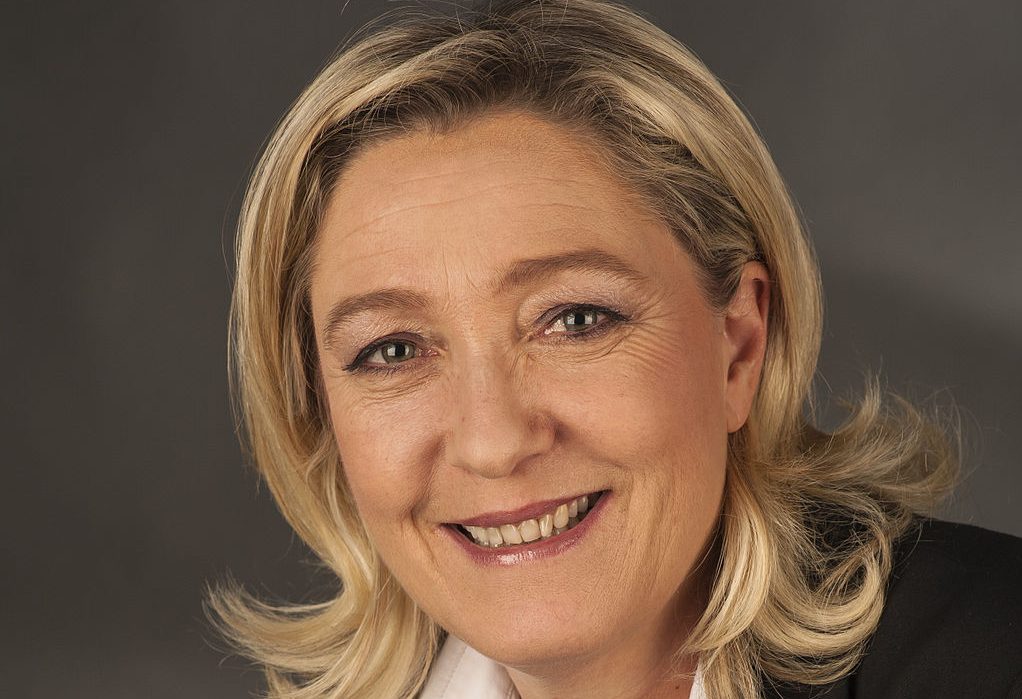
France’s far-right presidential hopeful, Marine Le Pen says she’ll end gay marriage in a quiet pledge buried pages deep into Manifesto.
Foto-AG Gymnasium Melle [CC BY-SA 3.0 (http://creativecommons.org/licenses/by-sa/3.0)], via Wikimedia CommonsMarine Le Pen has pledged that she’ll end same-sex marriage retroactively should she become France’s next president. The far-right politician, who heads the National Front is proposing to revert the law back to the 2013 system which only extended civil partnership to gay couples.
She writes,
Créer une union civile (PACS amélioré) qui viendra remplacer les dispositions de la loi Taubira, sans e et rétroactif.
Translation: To create a civil union (PACS ameliore) which will replace the provisions of the Taubira law without retroactive effect (thanks to @Hamfan4)
It seems she is proposing a change to the law that would not affect same-sex couple who are already married, but would be retroactive, meaning that there would be no new marriage licenses issued for gay couples. They would be offered civil partnerships instead according to legal experts.
In this article, we look at the history of marriage in the UK. Our history starts at 410AD, as before this time there were no written records of the history of marriage. Before written records, history was passed down orally from the older generation to the younger one, unfortunately, over time this oral history has been lost.
410AD – The Anglo-Saxons and Other Tribal Groups
For many people, marriage is strongly associated with religion, but this wasn’t always the case. Straight marriages at this time were about peace and prosperity rather than religion. Marriages encouraged good diplomatic relations and the development of trade between two (or more) tribal groups.
It was the fathers who decided who their daughters married and the wishes of the couple were seen as irrelevant.
12th Century – Consent
In 1140 Decretum Grantiani wrote a canon textbook where he introduced the concept of verbal consent to straight marriage and the requirement for a couple to consummate their union to validate their marriage.
In the 12th century, the Roman Catholic Church made verbal consent and consummation necessary for the church to view the straight marriage as legitimate. Some Roman Catholic writers at the time also describe marriage as a spiritual experience tied to God’s presence. While this is not surprising, prior to this very little mention of marriage as a spiritual experience.
1549 – The Vows
The tradition of vows came from Thomas Cranmer’s Book of Common Prayer. Although the book was updated, later on, many of Thomas Cranmer’s words are still used in religious ceremonies today.
These vows laid the foundation for how the Roman Catholic & Protestant churches viewed straight marriage at the time as a partnership.
Thomas Cranmer must have reflected the views of the mainstream population about marriage at the time; otherwise, it would have been unlikely that the church institutions would have accepted and taken on these views.
Roman Catholic Priests at this time were still delivering marriage ceremonies (as all other religious services) in Latin.
However, the Protestant’s began delivering their services in the English language. This is significant as English was the common language and this change made marriage ceremonies (as well as all other religious services) accessible to all.
Today, Protestantism is one the most popular religions practised in the UK. Many historians believe that changing the ceremonies to English played a huge part in making Protestantism a dominant religion.
1563 – Sacramental Marriage
The Roman Catholic Church officially declared that straight marriage was one of the seven sacraments in this year; meaning that it was something undertaken in the presence of god. The other sacraments are: Baptism, Confirmation, Holy Communion, Confession, Ordination and Last Rites.
The Protestant Church didn’t see straight marriage as a sacrament at this time.
1753 – State Involvement
The Clandestine Marriage Act (1753) set out what the state expected in order for a straight marriage to be seen as legal. It required the couple to get married in a church by a minister and issue a formal marriage announcement or to obtain a marriage license.
1836 – Civil Marriages
In 1836 it became legal for straight couples to get civil marriages, which were generally held in Register Offices. This was to accommodate both the religious and nonreligious.
For the religious, it meant that they could get married in a neutral place if for some reason they couldn’t get married in their church. For the nonreligious, it gave them a place void of religion. Prior to this, nonreligious straight couples had to go through a ceremony in a church and undertake practices & traditions that they didn’t believe in.
In 1837 the civil registration of straight marriages started.
1837 – It’s All About Straight Love
Between 1837-1901 it was the Victorian Era. It is said by contemporary historians that the Victorian Era is when marriage became about love, but still only the love between a man and a woman. Gay people weren’t treated well in the Victorian Era in the UK, with laws against sexual acts.
Oscar Wilde – widely regarded as one of the most talented writers of all time; was accused of sodomy by the father of his male lover. He lost the trial and was sent to prison. It was rumoured that he could have escaped to France, but he didn’t. Once he’d served his sentence, he moved to France.
1858 – Divorce
Between the 17th – 19th Centuries there were 300 cases of people wanting to end their marriages. The only way to do this was for an Act of Parliament for each marriage, as there was no accommodation for divorce in marriage law. So in 1858 the government of the time finally made divorce a legal process.
The legal process that meant those who wanted or needed a divorce could have one. But it also signified a shift in the focus of marriage from being a lifetime commitment – for better or worse, to a commitment that could be changed if life’s circumstances changed.
19th Century – Birth Control
By the 19th Century, both the Roman Catholic and Protestant Church’s had promoted procreation as the main reason for straight marriage. But as more children survived childhood, families got bigger and there was a need to use some form of contraception.
In the 1930s the Protestant Church accepted contraception, viewing it as necessary and not a sin or something God would be unhappy with. But the Roman Catholic Church has remained against any form of contraception, as they continue to see the procreation of children as a fundamental aspect of straight marriage.
2005 – Civil Partnerships
In 2005 the first gay civil partnerships took place, a year after The Civil Partnership Act came into law.
It allowed gay people to have legally recognised relationships, which granted them the same rights, protections and benefits of a married straight couple. This included legal rights, such as being one another’s Next of Kin; rights related to their partner’s children and the benefits including those of taxation reductions.
In terms of the actual act, the gay couple could have a civil partnership ceremony that could consist of anything they wanted (within the law). This could be vows, the exchange of rings, their choice in music, etc.
The Civil Partnership Act included a legal process for those gay people who may want to end their civil partnership. It is called ‘dissolution’ and works on similar legal principles to divorce.
This was the first time that the state in the UK legally recognised gay relationships. In the first five, there were 42,778 gay civil partnerships.
Peter Tatchell (Gay Rights Activist), as well as others, criticised The Civil Partnership Act, saying that it wasn’t complete equality as it excluded straight people from being able to be civil partners.
2013 – Gay Marriage
Last year The Marriage (Same Sex Couples) Act has been passed in England and Wales. The first gay marriages are expected in March 2014.
Stonewall said of The Marriage (Same Sex Couples) Act:
‘This is an historic moment for lesbian, gay and bisexual people, their families and their friends. This Act will mean that, for the first time, children growing up to be gay in England and Wales will have full equality in law. We can now proudly claim to be a beacon to the world for gay equality.’
In ancient history, marriage had nothing to do with religion but helped tribes to live and thrive together. Then Christian institutions (both Roman Catholic & Protestant Churches) influenced the definition and meaning of marriage. In the last century, the state has got involved for marriage, allowing marriage to be more flexible and much more inclusive.
Marriage as a concept has evolved to meet the needs and desires of society. Currently, there is some debate as to what role the churches and state play within marriage. It is likely that over the next century the Churches will continue to reside over the spiritual aspect of marriage, whereas the state will continue to be involved with the legal and administrative side of marriage.
Antony Simpson, Writer of this article would like to acknowledge the following sources that supported putting together this article based on fact:
BBC – Ten key moments in the history of marriage
http://www.bbc.co.uk/news/magazine-17351133
Office for National Statistics – Civil Partnerships Five Years On
http://www.ons.gov.uk/ons/rel/…rd/…/ard-pt145-civil-partnerships.pdf
Office for National Statistics – Video Summary: What does the Census tell us about religion in 2011?
http://www.ons.gov.uk/ons/rel/census/2011-census/detailed-characteristics-for-local-authorities-in-england-and-wales/video-summary-religion.html
Peter Tatchell – A setback for equality
http://www.petertatchell.net/lgbt_rights/partnerships/Straight-civil-partnerships-defeated.htm
Stonewall – Equal Marriage to become law – Thank You!
https://www.stonewall.org.uk/what_we_do/parliamentary/5714.asp
Stonewall – Get Hitched! A Guide to Civil Partnership