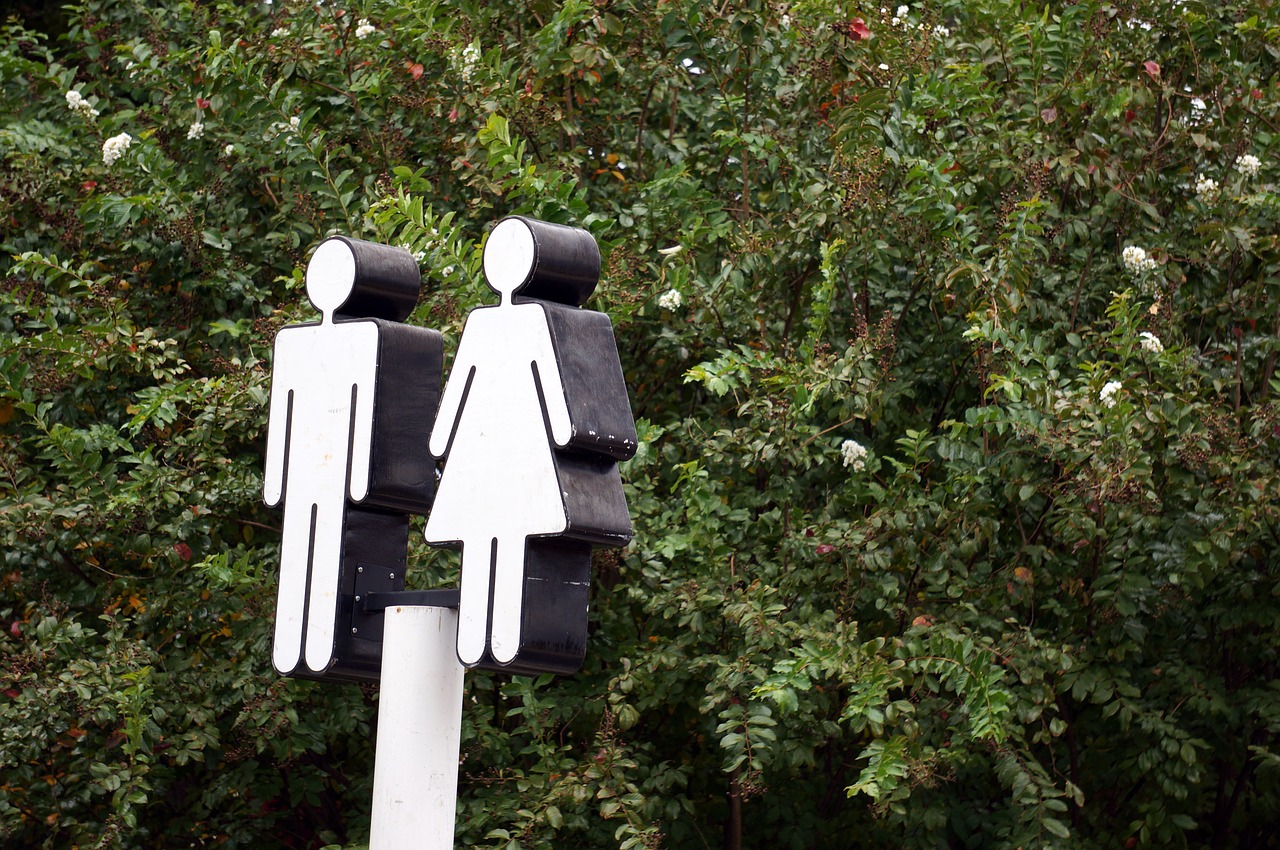
“I felt like, especially last year, my energy was balanced and my masculine and feminine energy so that when I was faced with the choice of walking into a bathroom and it said, women and men, I didn’t feel like there was a bathroom for me because I didn’t feel necessarily like a woman,”
Lovato told host Tamara Dhia. “I didn’t feel like a man. I just felt like a human. And that’s what they/them is about. For me, it’s just about, like, feeling human at your core.”
She went on to say, “But I think what’s important is, like, nobody’s perfect. Everyone messes up pronouns at some point, and especially when people are learning, it’s just all about respect”
Should putting your pronoun in emails, zoom calls and texts become standard practice? It can be a brilliant way to show allyship, but it can be deeply scarring for those who are still figuring it out.
I’m going back to school. Yep, I decided that I’m about to change the direction of my life and I’m retraining to become a therapist. It’s been a long time in the making. I used to volunteer for a well-known helpline and I’m always being told that I’m a good listener – heck, interviewing hundreds of people for this publication has really help hone my skills as a listener and good and inquisitive questioner.
But as I readied myself for the classroom, albeit online for the first semester, I was forced to confront an issue that i wasn’t quite ready to confront.
I‘ve spoken briefly before about my own gender identity and the trouble I’ve have it, and whilst I do identify as gay, I’m not entirely sure I identify as a man and whatever that means in today’s society. I’ve written before about how it just doesn’t feel right when someone refers to me that way, but weirdly I don’t mind the he/him/his pronouns, but wouldn’t necessarily attach them to myself. I’m definitely not a they, them their, perhaps more of a Ze/Zim/Zir. I just don’t know and that’s the issue.
This week I received a message from the institute where I’m about to start my course telling all students that pronouns would now be a requirement on Zoom calls. I know that the policy was written without malice and was a well intended piece of inclusiveness, but there’s a couple of reasons why pronoun usage should be encouraged rather than required.
I don’t mind admitting I’m already having anxiety pangs about starting a new course, but the idea of having to write a pronoun next to my name, felt like a chasm, that I’m just not ready or don’t know how to bridge just yet.
I know there will be people who will roll their eyes and say, “get a grip man,” but honestly aren’t we striving for a future where we’re all accepted and included, no matter how we identify or don’t?
I remember a conversation at that well-known helpline where a similar debate raged. Should we include our pronouns on emails and to callers. At the time, I didn’t really take that much notice, except being aware of a dark stirring of being uncomfortable about having to disclose something I haven’t come to terms with myself. A number of issues were raised by some in that meeting about pronouns, mainly that 1) if forced, or required that everyone disclose their identity it might force someone who hasn’t or isn’t quite ready to admit or confirm their identity to come out about it before they are ready. The second point was that if someone is forced to choose a pronoun before they are ready, the identity that they actually share maybe a lie – in order to fit in or because they fear judgement from others. Sitting with that lie next to their name would feel awful and deeply damaging.
The more I thought about it the more I started to tailspin about the first day and about how uncomfortable it might be – not just for me, but someone else who’s really not ready to have the conversation about their identity, especially in front of a group of new people – and over a Zoom call.
So should we use our pronouns wherever and whenever?
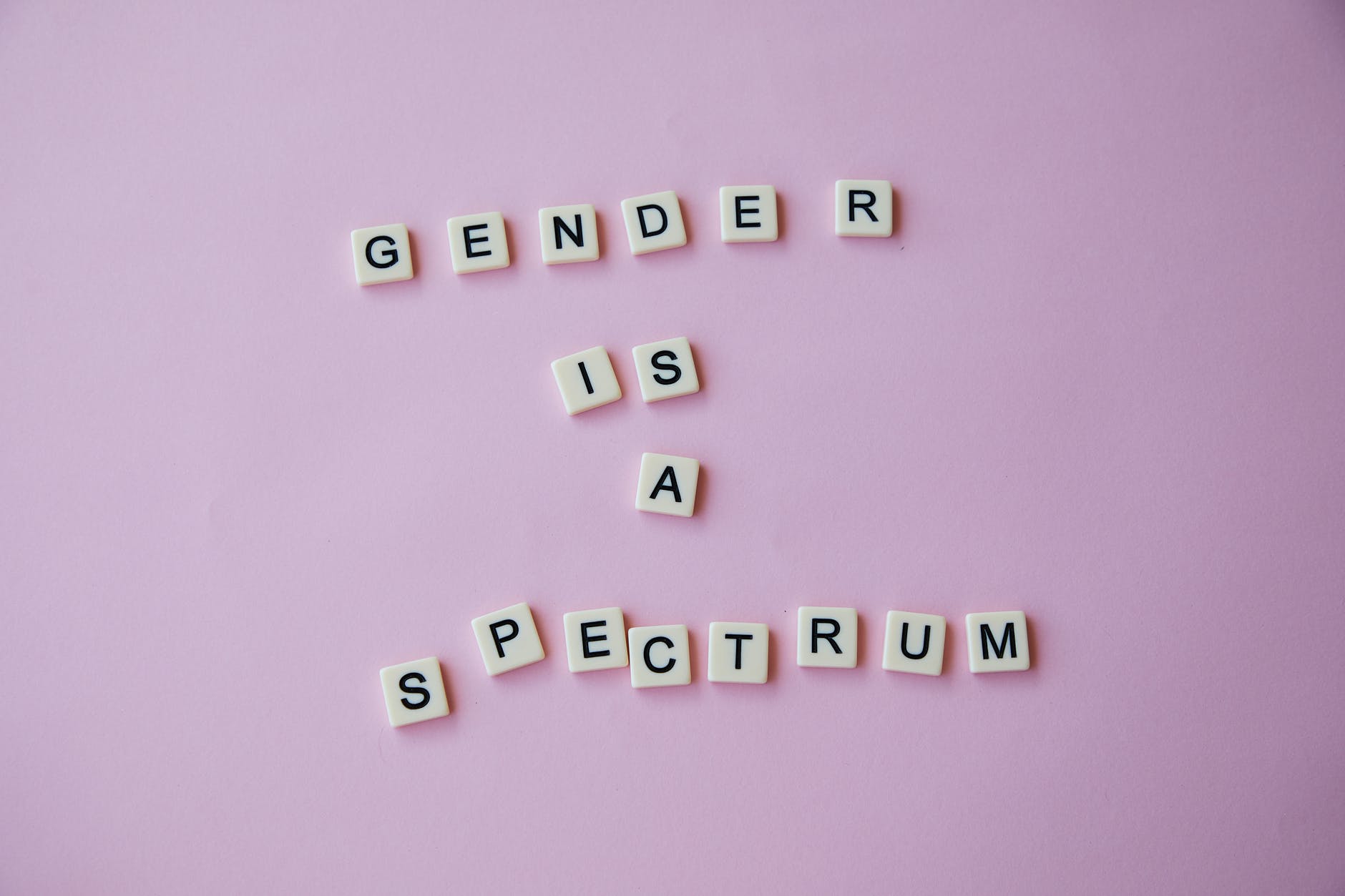
Gender is a spectrum and it’s not always easy to find the right words to describe it. Photo by Laker on Pexels.com
I would say this. If you’re comfortable doing it, then do it, particularly if you fear that you might be misgendered. It’s really important that you do let people know how you want to be referred to as.
But if there’s no fear that you will be misgendered, give a moment’s thought about why you’re doing it. It’s an awesome thing to do if your intension is to be an ally, but if it’s anything else, just stick with your name. When enforcing pronouns becomes a blanket policy – a requirement, it stops being a allyship move – and can actually cause more harm than good.
It could also lead employers open to legal issues. Speaking to THEGAYUK back in 2019, Helen Hughes, legal director and employment law specialist at the law firm, Shakespeare Martineau spoke about the legal ramifications on employers asking their employees to state their gender publicly. Hughes told us,
“Although this may be introduced with the best intentions – to address individuals with respect and courtesy in the way that they wish to be referred to – employers must be wary about requesting information from employees that could impact the way they are treated. Although they can’t force you to disclose this kind of information, you should feel comfortable sharing preferred pronouns if you feel it important to do so.
“Forcing employees to reveal their pronoun preferences could leave employers open to discrimination claims, and employees feeling alienated.”
Helen hughes
Luckily after speaking to the institute they reversed the policy and added that people were encouraged to share their pronouns.
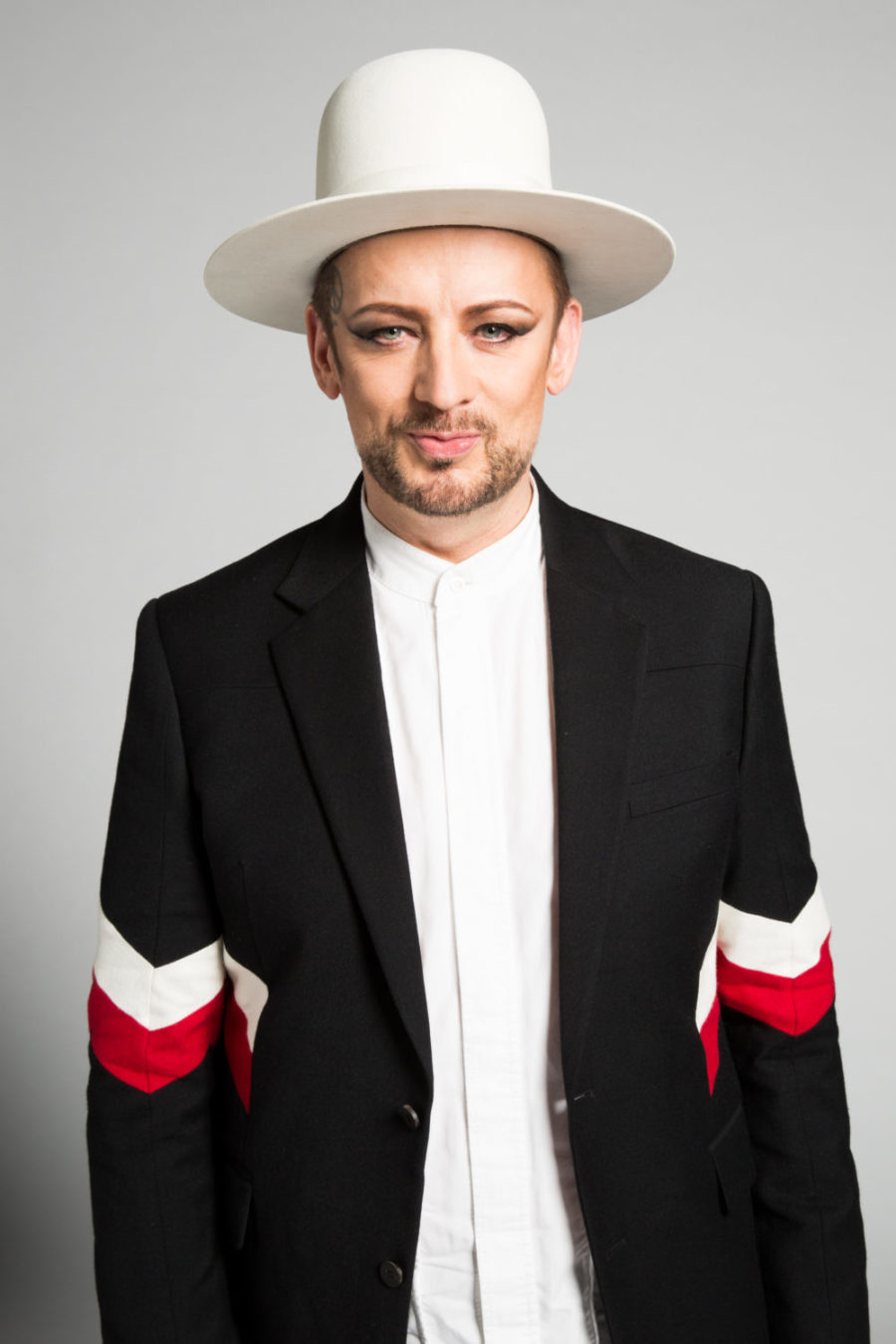
The superstar, Boy George, has caused controversy with trans and non-binary advocates after suggesting that preferred pronouns should be left out of the conversation.
Boy George has lit a match under the “preferred pronoun” conversation and is currently under fire for suggesting that pronouns should be “left at the door” to further compound the issue, he went on to call it a “modern form of attention seeking”
Fans of the 80’s hitmaker told the star that he should “respect people’s preferred pronouns” while some called the singer “transphobic” for his comment.
In response to a question about not using someone’s preferred pronouns, Boy George replied, “Thanks for that but I have eyes and can mostly describe what I see!”
Former Pink News journalist, Benjamin Butterworth responded, by tweeting, “Then we’ll stop calling you your attention-seeking identity “Boy George”, and use your real identity of George O’Dowd, convict who falsely imprisoned and beat a man with a metal chain.”
Ego Boost?
Others were quick to applaud the singer for his stance. One fan wrote, “Every venomous, deranged tweet I come across has a pronouned [sic] bio attached to it” while another added, “Pronouns are nothing more than ego boosters for people who use them”.
One user said using, “compelled pronouns was ridiculous”
“Something else that I’m surprised no news organisation has picked up on is forced declaration of pronouns in the public sector. Employees now have to declare on their email signature their preferred pronouns. Why? It’s not an issue for 99.9% of people”
However, there is no law that requires workers to share their gender or pronoun statuses, or any law that requires organisations to force their workers to select a pronoun.
Unsurprisingly the tweet got a few replies from India’s followers, one from Dr Adrian Harrop, who replied,
“Not sure it’s really being “forced” onto anyone. I find it to be quite an impactful & empowering thing. it is one of those cues / signals that show our organisation to be one that is inclusive & in which it is safe for trans & non-binary people to be open re: their identity”.
THEGAYUK.com undertook a quick survey across two social media platforms to check the validity of the statement of enforced pronoun selection.
The answer came back with the vast majority (94%) saying that they were not forced to share any gender details with their email correspondents.
What’s the legal standpoint?
We asked Helen Hughes, legal director and employment law specialist at the law firm, Shakespeare Martineau about the legal ramifications on employers asking their employees to state their gender publicly. Hughes told us,
“Although this may be introduced with the best intentions – to address individuals with respect and courtesy in the way that they wish to be referred to – employers must be wary about requesting information from employees that could impact the way they are treated. Although they can’t force you to disclose this kind of information, you should feel comfortable sharing preferred pronouns if you feel it important to do so.
“Forcing employees to reveal their pronoun preferences could leave employers open to discrimination claims, and employees feeling alienated.”
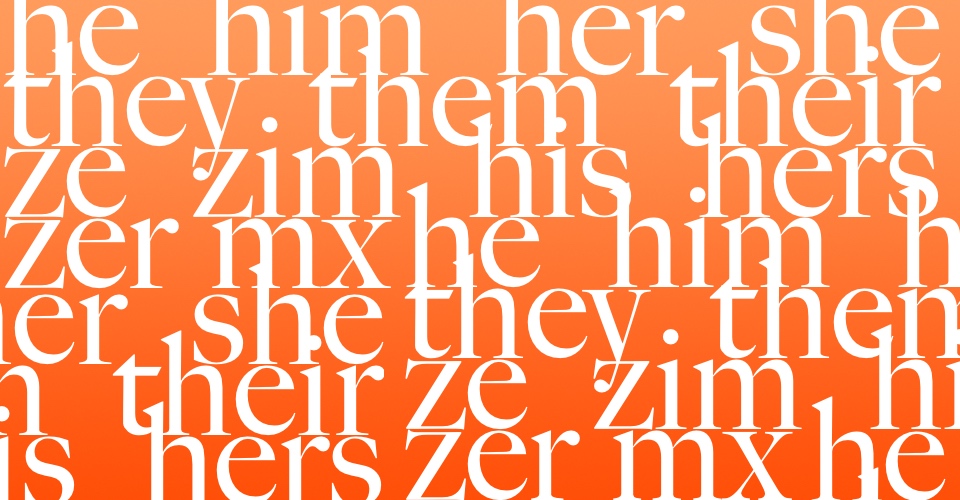
A preferred pronoun indicates which gender a person would like to be referred to, usually with a choice of male, female or non-binary pronouns.
Masculine pronouns are, he his and him
Feminine pronouns are she and her and hers
Non-binary pronouns are: They, Them Theirs / Zim Ze and Zis / Mx / Thon /
So what should companies do?
Helen continues,
“Having an inclusive workplace culture is crucial however singling out one group of people is a dangerous game for employers. Being open, honest and above all else celebrating people’s differences will no doubt go a long way to improve culture, retention and breed a workforce that looks beyond age, gender, race or the like. There is simply no need to force employees to reveal any more information than they are comfortable with.”
Recently the BBC was attacked for teaching children that there are over 100 different types of gender. This move from the BBC received widespread criticism from the right-wing media (as expected) and unfortunately when a gender spokesperson on Good Morning Britain was interviewed on the matter they struggled to explain the differences when challenged by presenters on what the 100 genders stood for and why some of them were ‘genders’ and not simply aspects of their personality.
It was, put bluntly, a car crash and did nothing to explain to your the majority of UK viewers what the move was about.
Don’t get me wrong, I have my issues with Piers Morgan, but that interview was a car crash and made the gender argument look ridiculous. Love him or hate him, Piers won that round and inflicted serious damage on the public perception of gender freedom.
It left even those of us in the LGBT community that weren’t aware of 100+ genders before now baffled and unsure of what was expected of us as allies?
As someone that has worked with the wider LGBT+ community, I found the statement that there are 100+ gender staggering. It might easier for a child to get their head around, I can’t say as I’ve not been a child for quite some time now, but if we even struggle then how on earth is wider Society meant to cope? So I went looking to see what on earth the 100+ genders are and what they could mean.
I found this list from Tumblr which has listed around 116 different types of genders. Some I recognise and some have just baffled me. Many of them, especially those where they say they aren’t ‘Male’ or ‘Female’, but they aren’t anything else either until you ask them, then they say they are X or Y based on that moment. That is not a ‘gender’ type, that’s an attitude or personality trait. At most that is gender fluid, so what’s wrong with being gender fluid?
For a community that claims to despise labels and being put in boxes are we really telling the wider world that we now have 100+ labels for ourselves, a fair majority of which are based on our mood and situation at any given time?
Me: “I don’t want you [Society] to label me, we should be beyond labels”
Also Me: “Here are 100+ more labels, many of which depend on my mood on any given day. You wanna label me, ha I’ve just made it 100 times more difficult.”
People have to remember that we are a community, built and based on social interaction. This 100+ list of genders and associated pronouns has just put a massive barrier up to other human beings communicating with us/them.
If you have no idea how to address someone (as even ‘they’ wouldn’t work for some of these) then surely that person is simply not going to address you, and just avoid you completely as it’s the path of least resistance (easier). They don’t mean anything by it, they aren’t out to ‘get you’ or ‘oppress you’ they just have no idea how to interact with you because of this mind-boggling wall you’ve put up and have 1001 things to deal with other than how on earth to say hello to you and ask how you are.
The rise in gender fluidity and the challenge of the traditional masculine and feminine associations is something to be celebrated, especially if it means we get closer to achieving true gender equality, eradicate sexism and truly accept into Society transsexuality and gender re-assignment. However, with saying to the world that there are now 115 different genders, many of which are based on circumstances and mood, are we at risk to invalidating and demeaning that freedom we have enjoyed as it is coming across as ridiculous and unrealistic?
A friend of mine recently ‘came out’ as pansexual. For those unaware, pansexuality, or omnisexuality, is the sexual, romantic or emotional attraction towards people regardless of their sex or gender identity.
Pansexual people may refer to themselves as gender-blind, asserting that gender and sex are not determining factors in their romantic or sexual attraction to others. Unlike Bisexuality, pansexuals tend not to see gender and just see the person/personality.
Recently Sam Smith (not the friend mentioned above) also came out as non-binary and raising awareness of gender descriptives within our language. Smith has a valid point and if we are truly to be 21st-century race then more accurate command of the language is a good thing. The abuse Smith received from the LGBT community was completely uncalled for.
However, the 100+ genders issue raises the question, are we using gender identity as a smokescreen for our own personality traits and rising trend to be identified as something and to use that as a banner against oppression? It’s almost as if the community has achieved a level of acceptance (which we have on the whole) but now we want evermore? Or to put it another way, have we just gotten so used to being oppressed and that feeling of ‘fighting the machine’ that we now seek new battles and new demands for acceptance?
If some of our allies and the community itself are struggling to keep up with the notion of 100+ genders and pronouns, and find they have to ask what someone’s gender is in order not to offend, are we just simply creating a society where no one can get it right because I’ve used the pronouns for gender 67 but actually you are gender 68 which causes you offence and now I’m the oppressor? Surely we want a world where gender isn’t even factored into someone’s decision making. But this seems to want to enshrine even further it into everyday life and make it yet another thing people can use to beat you over the head with.
Personally, I don’t see the argument for creating any more genders beyond the 6 the NHS currently uses and recognises. Or at least, certainly not for creating 100+ pronouns. I shouldn’t need to know your gender, simply what pronoun to use. For those unaware, the 6 genders the NHS uses are currently male, female, gender-neutral, non-binary, gender-fluid and gender-queer. Being referred to as ‘they’ should be perfectly acceptable for the majority if not all genders. I’ve not seen any of the 100+ that aren’t simply a very subtle variation of 1 of the six (with maybe 1 or 2 exceptions).
If you do identify as one of the 100+ genders then you don’t need my validation to exist. You certainly don’t need my confirmation of your gender so seeking it from others is a fool’s errand.
If you can look me in the eye and can honestly say that you are peace with the fact that you identify as whatever-sexual, I’ll believe you and quite happily accept for you that. But if you honestly think this does anything for reaching a stage where gender means nothing to Society then you are deluding yourself. This turns the gender discrimination and bias argument into a completely different beast, a beast you are very unlikely to master.
There are a number of resources out there on Gender Freedom and Identity. I would encourage everyone to read more on the issue, starting with Mermaids charity so you can understand more around Transsexuality and wider issues. There are also some good resources from the BBC on gender identity and pronouns.
Here I have simply asked the question and posed some issues that we need to find answers to. Do your own research and come to your own conclusion, but remember this is a debate the nation should have. Not prejudice, or an attack, or an invalidation.
Let me tell you about my own gender expression before we go on. I don’t think of myself as a “man” because I don’t really fit into what society expects of men. When I was a child all I wanted to do was be called a girl, wear high heels, my mum’s dresses and sing Petula Clark’s ‘Downtown’ on repeat.
I was a Grade A queer/trans kid. As an adult I couldn’t admit that to anyone outside my immediate family. I was so shamed by this behaviour – and bullied mercilessly at school when I chose to wear the white, patterned “girls’” socks instead of the regulation grey socks for boys.
Nowadays, I dress in typically masculine clothes, I have a boyfriend, I have short hair and people assume that I’m a man and a gay one at that. I respec the privileges that, for the most part, that assumed identity affords me. But, it never really feels right when someone refers to me in that way.
That said, I don’t mind if people use the pronouns him/his or he when they refer to me.
Although it does jar me if someone calls me a man.
Weird? Right?
I also don’t mind it if I’m referred to with female pronouns.
I’m pretty relaxed about the pronouns that are used to describe me.
But for some, words really matter. So here’s some advice to help us all become better allies to our non-binary, gender non-conforming siblings.
It seems that we’ve all got our lives set to transmit only. We need more receiving in our lives. So when someone is telling you something about them, listen.
Someone once wisely told me, “Assumptions are the mother of all fuck-ups” – and they were completely right. How often have you assumed something about a situation only to find that nothing was as you imagined? Pretty often, right?
Your assumptions are based on your own life experience. It doesn’t take into account other people’s experience. So leave your assumptions at the door and again, open your mind.
If a person tells you what their preferred pronoun is, accept it don’t fight it. It’s what they’ve asked you to call them. The decision is effectively out of your hands. It’s the same as when someone tells you their name. You accept it and it becomes part of their identity. Well, pronouns are the same.
Some non-binary, gender fluid and gender non-conforming folks use a number of different pronouns. Some popular ones are: Zim/Zer and Ze, they/them and theirs or even thon, which was actually added to the dictionary in 1964. They as a singular pronoun has been used for centuries.It’s not particularly new, it’s not trend based, it’s just getting a lot of media attention at the moment.
Blue for boys, Pink for girls… gender stereotyping is all so the 1950s and really doesn’t work for today’s society. No one likes living in a predefined box and we don’t live in a black and white world. There’s a whole rainbow out there.
Gender norms and stereotypes, when adhered to, just keeps society attached to a patriarchal system that’s almost impossible to climb and doesn’t work for all of us, particularly LGBT+ people. So lets bin it shall we?
Normalise the conversation surrounding pronouns. Write your preferred pronouns in your social media profiles. As @thalestral says on Twitter, “normalise that shit”.
Also on twitter, stop assuming people’s pronouns based on their profile pic and your binary stereotypes.
Read their profile. Check their pronouns. Don’t assume.
And while you’re there, put your own pronouns in your profile.
Let me tell you about my own gender expression before we go on. I don’t think of myself as a “man” because I don’t really fit into what society expects of its men. When I was a child all I wanted to do was be called a girl, wear high heels, my mum’s dresses and sing Petula Clark’s ‘Downtown’ on repeat.
I was a Grade A queer/trans kid. As an adult I couldn’t admit that to anyone outside my immediate family. I was so shamed by this behaviour – and bullied mercilessly at school when I chose to wear the white, patterned “girls’” socks instead of the regulation grey socks for boys.
Nowadays, I dress in masculine clothes, I have a boyfriend, I have short hair and people assume that I’m a man and a gay one at that. I enjoy the privileges that, for the most part, that assumed identity affords me. But, it never really feels right when someone refers to me in that way.
That said, I don’t mind if people use the pronouns him/his or he when they refer to me. Although it does jar me if someone calls me a man. Weird.
I also don’t mind it if I’m referred to with female pronouns.
I’m pretty relaxed about the pronouns that are used to describe me.
But for some, words really matter. So here’s some advice to help us all become better allies to our non-binary, gender non-conforming siblings.
It seems that we’ve all got our lives set to transmit only. We need more receiving in our lives. So when someone is telling you something about them, listen.
Someone once wisely told me, “Assumptions are the mother of all fuck-ups” – and they were completely right. How often have you assumed something about a situation only to find that nothing was as you imagined? Pretty often, right?
Your assumptions are based on your own life experience. It doesn’t take into account other people’s experience. So leave your assumptions at the door and again, open your mind.
If a person tells you what their preferred pronoun is, accept it don’t fight it. It’s what they’ve asked you to call them. The decision is effectively out of your hands. It’s the same as when someone tells you their name. You accept it and it becomes part of their identity. Well, pronouns are the same.
Some non-binary, gender fluid and gender non-conforming folks use a number of different pronouns. Some popular ones are: Zim/Zer and Ze, they/them and theirs or even thon, which was actually added to the dictionary in 1964. They as a singular pronoun has been used for centuries.It’s not particularly new, it’s not trend based, it’s just getting a lot of media attention at the moment.
Blue for boys, Pink for girls… gender stereotyping is all so the 1950s and really doesn’t work for today’s society. No one likes living in a predefined box and we don’t live in a black and white world. There’s a whole rainbow out there.
Gender norms and stereotypes, when adhered to, just keeps society attached to a patriarchal system that’s almost impossible to climb and doesn’t work for all of us, particularly LGBT+ people. So lets bin it shall we?
Normalise the conversation surrounding pronouns. Write your preferred pronouns in your social media profiles. As @thalestral says on Twitter, “normalise that shit”.
Also on twitter, stop assuming people’s pronouns based on their profile pic and your binary stereotypes.
Read their profile. Check their pronouns. Don’t assume.
And while you’re there, put your own pronouns in your profile.
This morning I was on Twitter and I clicked on the #TransAwarenessWeek hashtag and I came across a very insightful tweet from a user, who gave some great tips.
Let me tell you about my own gender expression before we go on. I don’t think of myself as a “man” because I don’t really fit into what society expects of its men. When I was a child all I wanted to do was be called a girl, wear high heels, my mum’s dresses and sing Petula Clark’s ‘Downtown’ on repeat. I was a Grade A queer/trans kid.
Nowadays, I dress in masculine clothes, I have a boyfriend, I have short hair and people assume that I’m a man, and a gay one at that. I enjoy the privileges that, for the most part, that assumed identity affords me. But, it never really feels right when someone refers to me in that way.
That said, I don’t mind if people use the pronouns him/his or he when they refer to me. Although it does jar me if someone calls me a man. Weird.
I also don’t mind it if I’m referred to with female pronouns.
I’m pretty relaxed about the pronouns that are used to describe me.
But for some, words really matter. So here’s some advice to help us all become better allies to our non-binary, gender non-conforming siblings.
It seems that we’ve all got our lives set to transmit only. We need more receiving in our lives. So when someone is telling you something about them, listen.
Someone once wisely told me, “Assumptions are the mother of all fuck-ups” – and they were completely right. How often have you assumed something about a situation only to find that nothing was as you imagined? Pretty often, right?
Your assumptions are based on your own life experience. It doesn’t take into account other people’s experience. So leave your assumptions at the door and again, open your mind.
If a person tells you what their preferred pronoun is, accept it don’t fight it. It’s what they’ve asked you to call them. The decision is effectively out of your hands. It’s the same as when someone tells you their name. You accept it and it becomes part of their identity. Well, pronouns are the same.
Some non-binary, gender fluid and gender non-conforming folks use a number of different pronouns. Some popular ones are: Zim/Zer and Ze, they/them and theirs or even thon, which was actually added to the dictionary in 1964. They as a singular pronoun has been used for centuries.
It’s not particularly new, it’s not trend based, it’s just getting a lot of media attention at the moment.
Blue for boys, Pink for girls… gender stereotyping is all so 1950s and really doesn’t work for today’s society. No one likes living in a predefined box and we don’t live in a black and white world. There’s a whole rainbow out there.
Gender norms and stereotypes, when adhered to, just keeps society attached to a patriarchal system that’s almost impossible to climb and doesn’t work for all of us, particularly LGBT+ people. So lets bin it shall we?
Normalise the conversation surrounding pronouns. Write your preferred pronouns in your social media profiles. As @thalestral says on Twitter, “normalise that shit”.
Also on twitter, stop assuming people’s pronouns based on their profile pic and your binary stereotypes.
Read their profile. Check their pronouns. Don’t assume.
And while you’re there, put your own pronouns in your profile.