Tag: Wales News

Get the latest LGBT+ Wales news from THEGAYUK. Breaking news, features and interviews from the gay community in Wales, UK

  • How many gay people are there in Wales?

    How many gay people are there in Wales?

    The number of people who identify as lesbian, gay and bisexual in Wales is a hotly debated subject, with no clear answer, but here will look at all the available stats.

    how many gay people in wales
    (C) BIGSTOCK

    There has long been a widely-held belief that around 10 per cent of the population is gay, lesbian or bisexual or who identify as non-heterosexual. This is probably the most accurate of all the figures – as more and more people feel comfortable to come out about their sexuality.

    ALSO: How many gay people are there in England?

    ALSO: How many gay people are there in Scotland?

    ALSO: How many gay people are there in Northern Ireland?

    The most up-to-date statistics from healthcare company Euroclinix show that six per cent of people identify as homosexual while seven per cent of people identify as bisexual. This equates to 13 per cent of the population identifying as either gay, lesbian or bisexual. EuroClinix surveyed 2,000 people around the UK to find out more about the sex lives of Brits.

    The current population in Wales is estimated to be 3.113 million people, which means that there are over 404,690 gay, lesbian or bisexual people in the UK if you take that 13 per cent statistic.

    Other sources:

    The ONS (Office of National Statistics) says that in a survey of people in the United Kingdom it found that 1.5 per cent of people identified as LGB. This result was arrived at by extrapolation of data collected. However, these statistics were disputed for not being accurate or showing the full picture. By their estimations, this would mean that there are only 46,695 LGB people in Wales.

    However, in 2005 the HM Treasury and the Department of Trade and Industry of the UK estimated that nearly 6 per cent of people were LGB after studying the economic impact of civil partnerships and same-sex marriages. By their estimations, this would mean that there are 186780 LGB people in Wales.

    In 2008 the Guardian newspaper reported that 8 per cent of the population were LGB in 2014 the same newspaper group conducted another survey and found that the figures were still consistent. By their estimations, this would mean that there are 249,040 LGB people in Wales.


  • When did it become legal to be gay in the UK?

    When did it become legal to be gay in the UK?

    Laws around homosexuality differ from region to region in the UK meaning that gay people in Scotland and Northern Ireland had to wait a lot longer for equality.

    (C) BIGSTOCK

    Homosexuality was legalised in England and Wales on the 27th July 1967, a decade after the Wolfenden Report recommended that homosexuality should be decriminalised. The Sexual Offences Act was changed to decriminalise homosexuality, up to a point and only if three conditions were met:

    1. that the act was consensual
    2. that both parties were 21 or over
    3. and the act was done in private.

    Up until that point, men who were found to be having sex with other men were often charged with Gross Indecency or Buggery charges.

    Thousands of men were criminalised because of this law. They were often sent to prison.

    In 2017 a pardon was issued, as an apology to those men who served time for their “crime”.

    When the law changed being gay still wasn’t equal to being straight. The age of consent was 21 and all sexual acts had to be done in private. it wasn’t until the new millennium, that laws pertaining to gay and straight sexual acts were equalised.

    Not all gay people in the UK were equal

    But not all of the UK’s men were able to be openly gay. The law wasn’t changed until 1981 for homosexuals in Scotland and 1982 for guys in Northern Ireland.

    As it stands today, it is currently legal to be gay, lesbian, bisexual and transgender across the UK, whether you’re in England, Northern Ireland, Scotland or Wales. Laws surrounding discriminating because of sexuality or gender expression are very strict in the UK and include employment and business services.

    Gay people are permitted to have civil partnerships (since 2004) and get married (2013/14) except in Northern Ireland – the only region in the UK which does not have full equality for LGBT+ people.


  • Here’s Why Wales’ LGBT Sexual Education is Important

    Here’s Why Wales’ LGBT Sexual Education is Important

    Having lived and grown up in Wales my whole life, sexual education during secondary school was a massive let down, not only for me and my LGBT peers past and present, but also the straight community…

    CREDIT: © tomwang Depositphotos

    When teaching pubescent teenagers about sexual intercourse in secondary school PSHE classes, the teacher was always greeted with snickering laughs, comments from the lads and jokes cracked by some lame guy.

    As Wales prepares to give sex education in Wales school an LGBT inclusive over-haul, I was reminded of my own experience of sexual education.

    Wales have announced plans to have a major overhaul of their sexual education in schools, planning to change their current curriculum. By doing this, Wales will be ‘leading the way’ in sexual education, something that is extremely important.

    The changes would mean the subject would be renamed to ‘relationships and sexual education’, and were announced by Wales’ education secretary, Kirsty Williams. Williams has said that the days of traditional sex education were ‘long gone’.

    30 years ago, section 28 was introduced, which banned the ‘promotion of homosexuality in schools’. Now, 30 years later, Wales is moving forward to include an LGBT inclusive subject in sexual education. The teaching will focus on issues such as consent, domestic abuse and diversity.

    The new education curriculum will come into force in 2022, and will be taught to children from five to sixteen years of age. The subject will now be embedded in the curriculum, instead of being taught as a separate subject.

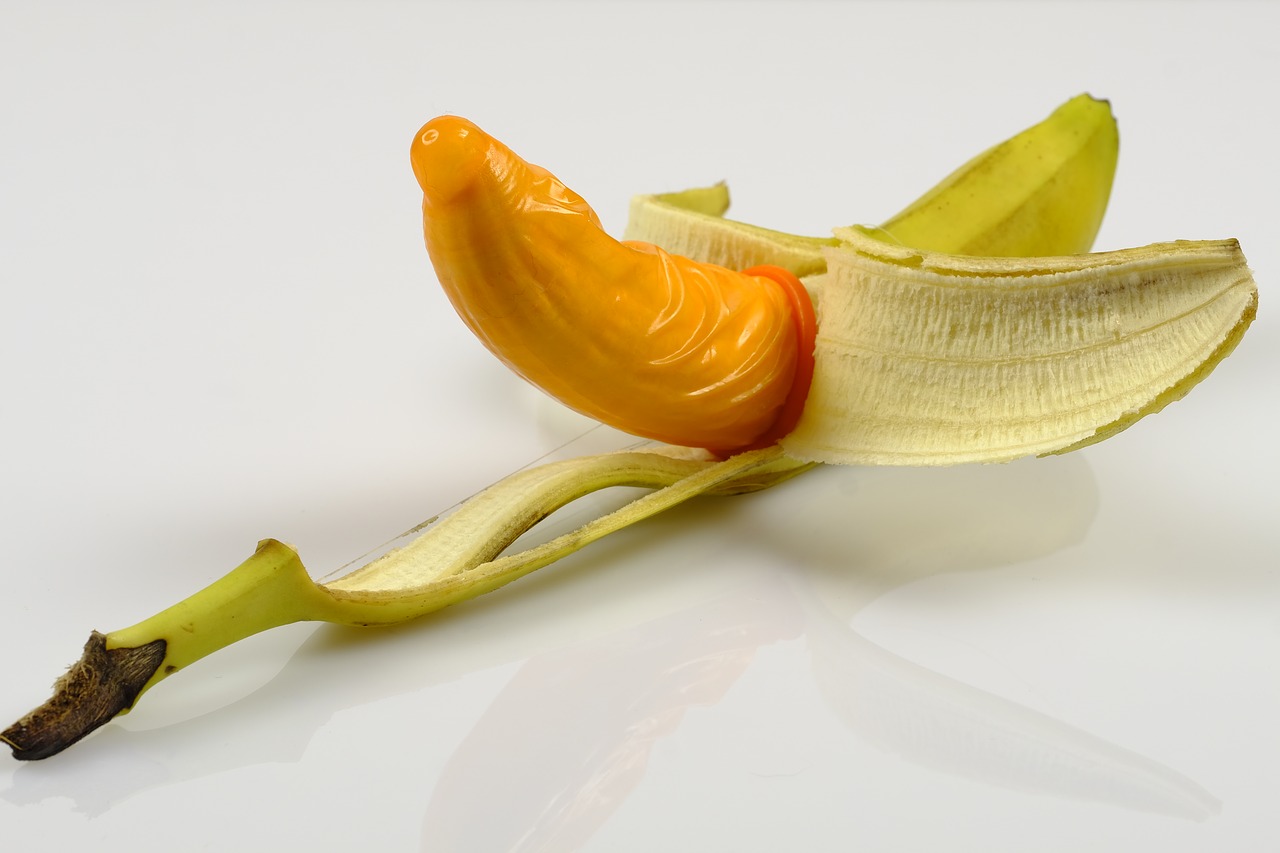
    Bru-nO / Pixabay Is learning how to put a condom on a banana all that helpful?

    Kirsty Williams said, ‘The world has moved on and our curriculum must move with it. Sex should never be taught in isolation for the simple reason that it is about so much more than just sex; it’s also about relationships, rights and respect and that must go hand in hand with a much broader understanding of sexuality. Anything less does a disservice to our learners and teachers.’

    Stonewall Cymru, and LGBT charity were pleased with the announcement. Their director, Andrew White, has been campaigning for this change for a while. White said: ‘It’s great news, particularly as this week is the anniversary of the introduction of section 28 and our research shows that a majority of LGBT young people here in Wales have heard nothing about LGBT issues in the classroom.

    ‘The legacy of section 28 unfortunately still lives on and this change will go some way to readdressing the balance.’

    He then went on to say that these discussions should be in the classroom, as talking about it online could spread false information. ‘If we don’t, those conversations will happen on the web with sometimes unreliable sources.’

    As a Welsh gay male, it’s important to see this change happen. It’s even better to see that my country, who have sometimes been a bit behind on LGBT rights, particularly in places such as the valleys, are the leading country to be putting this forward.

    When I was in education, my sexual education consisted mainly of STD’s and how to avoid them, and I was always taught about wearing a condom before having intercourse with a woman. We were taught how to put a condom on a banana, and we also saw how condoms are packaged. We learned briefly about the female reproductive system, and how the egg is fertilised, but one thing we never touched on was LGBT sexual relationships.

    As I discovered my sexuality, online porn websites were my education. Whilst I didn’t take scenes literally, understanding that whomever you have sex with must consent, it has been noted that people who watch porn may get lines blurred between what is acceptable in a real-life sexual relationship. Having consent taught in education systems is extremely important, for both heterosexual and homosexual people. Personally, I think what also needs to be taught is that sexuality is now being seen as fluid, as well as being young and confused. I didn’t truly accept who I was until I was 18/19.

    Sexual education must also discuss alcohol and sex. Many encounters are under the influence of alcohol, and some are above board and others are sadly not. This must be covered, as ignoring the problem doesn’t achieve anything.

    When I was young and watching pornography, I discovered how men have sex. I was able to tell how a condom went on by watching a porn star put one on. Whilst my body image confidence went down, I still took something away from porn other than a fun time. I learned how sex happens, and how it can work, albeit if it was edited together and the stars had no chemistry.

    But learning from porn, whilst useful to me personally, is not how we should be learning as LGBT people. Even now, the transmission and treatment of HIV is rather hazy to me, and as a teenager finding sexual partners, I worried myself sick about contracting what I thought at the time to be a deadly disease. Being taught in school that HIV, whilst being deadly without treatment, is now easily treatable with correct medication, and also being taught easily preventable with the right methods, would have saved me a lot of time growing up. It would also be nice to see HIV being discussed openly as a disease that affects everyone, regardless of their sexuality. I still feel like many people see it as ‘a gay man’s disease’.

    So whilst my sexual education taught me that pizza men would result in a sexual experience, I’m happy to see that Wales will now teach a new generation that sex doesn’t work like that.


    Opinions expressed in this article may not reflect those of THEGAYUK, its management or editorial teams. If you’d like to comment or write a comment, opinion or blog piece, please click here.

  • THEATRE REVIEW | The Wedding Singer, Llandudno Venue Cymru

    ★★ | The Wedding Singer, Llandudno Venue Cymru 

    THEATRE REVIEW | The Wedding Singer, Sheffield Lyceum Theatre

    Robbie Hart is a popular wedding singer who has his belief in love shattered when he is jilted at the alter by his fiancé. But as he has promised to sing at the wedding of affable waitress Julia to her sleazy, materialistic boyfriend, Glenn, he spends his time helping her prepare for her big day. But amongst the gift registry and dress shopping, the two of them slowly fall for each other, and as Julia’s big day approaches, will they both find the courage to tell each other how they feel?

    This 80’s set musical is based on the film of the same name and is packed with a full list of original songs, a smattering of ensemble pieces and a rapping granny. In terms of the cast, Ray Quinn (X-Factor) stood head and shoulders amongst the performers, with a good performance as Glenn, whilst Cassie Compton (X-Factor) and UK Eurovision singer Lucie Jones provided competent support and, to their credit, some superb singing.

    But aside from a handful of good performances, sadly, the whole thing just simply didn’t hang together. The onslaught of songs became intrusive to the progression of the narrative, the clunky and cumbersome set changes interrupted the flow and the show overall fell somewhere between lacklustre and dull. Add into that an incredibly cringe worthy seduction scene between Robbie and his ex-fiancé, a significant lack of chemistry between the two leads and some borderline offensive stereotypes of gay men which felt more like ridicule than parody and you have a rather disappointing production.

    But where the show really lets itself down is in its lack of an 80’s feel, especially given that the decade is ripe for the picking in terms of its cultural identity.  Part of the charm of the film that the show is based on is its nods to the decade, from the fashions to the music; something that is noticeably missing from this show. It takes more than a randomly placed Rubiks Cube, a Sony Walkman and a reference to the size of a mobile phone to set the 80’s scene. But the biggest omission is that the original songs didn’t have even a tinge of 80’s synth pop to them and were so generic that, on the whole, they could have come from any musical set in any decade; whilst the costumes missed the opportunity to fully exploit the decade that fashion forgot.

    The show did finally come alive during the last scene and the curtain call, but it was far too little far too late, and couldn’t avoid the show receiving a rather muted reception from the generally unimpressed audience.

    The Wedding Singer is currently playing at Llandudno Venue Cymru until 29th July 2017

    • Review taken from the Sheffield Production.


  • Plaid Cymru pledge to end blood ban for gay men

    Welsh political party, Plaid Cymru have pledged to end the discriminatory blood ban placed on gay and bisexual men who have had sex in the previous 12 months.

    Plaid Cymru has said they will end the discriminatory blood ban that forbids gay and bisexual men from donating blood if they have had sex with someone of the same sex in the previous 12 months.

    The party who had three MPs in the last government have unveiled a raft of LGBT+ pledges including a policy to prioritise the development of a gender identity clinic, working with schools to end homophobic bullying and promote LGBT participation in sport.

    Plaid Cymru Assembly candidate for Cardiff Central Glyn Wise said,

    “Plaid Cymru is committed to creating a Wales which secures equality and acceptance without question for all Lesbian, Gay, Bisexual and Transgender people.

    “To achieve this, we would introduce a range of measures to tackle discrimination and end stigma currently facing so many members of the LGBT community.”

    Mr Wise added,

    “A Plaid Cymru government would end the discriminatory twelve month donation ban for gay men, using risk to determine suitability for donation.

    “We will also work towards the implementation of a framework for Primary Care Services for trans people, with the development of a Gender Identity Clinic as a high priority.

    “Plaid Cymru wants to take action to help young people facing homophobic bullying by requiring school in Wales to keep a register of bullying incidents related to sexuality.

    “As part of broader efforts towards healthier lifestyles, a Party of Wales government will promote LGBT participation in sport and work with clubs and organisations to reduce homophobic and sexist behaviour.

    “Our vision is of a more open, tolerant and accepting society. A Plaid Cymru government would work closely and constructively with organisations and individuals alike to deliver this.”


  • THE BIG GAY ELECTION | Interview: Stephen Doughty

    Stephen Doughty has served as the MP for Cardiff South and Penarth since winning a by-election in 2012. He has since distinguished himself amongst his colleagues, serving first as Shadow Minister for Trade and Industry. Following a reshuffle, he took up a brief as a Shadow Foreign Minister – which he famously resigned from live on the BBC following a disagreement with Jeremy Corbyn over the sacking of Shadow Minister Pat McFadden in January 2016.

    Stephen Doughty openly gay Labour MP

    THEGAYUK Magazine was fortunate enough to talk to Mr Doughty last week. This interview has been edited for length and clarity.

    THEGAYUK: First things first – Labour’s draft manifesto leaked last night, and it proves to be the most leftwing in a generation, promising to nationalise the railways and eliminate tuition fees, for example. Are you excited or apprehensive about selling this on the doorstep?
    Stephen Doughty: Well we have a slightly different situation where I’m standing, in Wales, because Welsh labour already launched our manifesto pledges earlier in the week with Carwyn Jones, the Welsh Labour leader. So we’ve already set out our stall here very clearly. We’ve got five pledges: one on the NHS, one on schools, one on housing, one on the economy, and one on police. Those are very much messages I’ve been going on the doorstep with already, as well as my own local record. So in terms of wider manifestos and leaks, obviously until the actual manifesto is published I prefer not to comment.

    TGUK: Last year you had a constituent tell you that gay people should be killed and sent to hell. As one of the higher-profile openly gay MPs, do you experience a lot of homophobia (whether online or on the doorstep)?
    SD: I’ve had some pretty unpleasant comments from a local blogger, as well as people who support the far-right BNP to post homophobic material. I’ve had comments on the doorstep, and I had a UKIP candidate that sent veiled homophobic letters to constituents in the last election, saying things like that I didn’t stand up for family values and the like, which we know are dog whistles for homophobic views. Unfortunately, all MPs over the last few years have suffered significant amounts of personal abuse, no matter what party they’re from. If you’re a woman, if you’re gay, if you’re black, if your Jewish, you’re likely to have received some additional abuse and so it gets very unpleasant.

    TGUK: You’ve been famously critical of Jeremy Corbyn. How are you addressing this as you campaign? How is this going for you?
    SD: I’ve got no personal disputes with Jeremy. We’ve always got on very well on the personal level and have a number of issues where we have a lot of common ground. But I have been willing to speak my own mind when it comes to a number of issues, particularly where we’ve differed on issues to do with foreign policy and defence.

    You know, it won’t come as any surprise but there have been a wide range of views across the Labour Party on these issues. I also think we’re in a quite different situation, as I said earlier, for those of us standing in places like Wales where, since devolution, we have quite a different set up now.
    We have a Welsh Labour leader in Carwyn Jones who is popular on the doorstep, and we have very distinct policies in Wales. So I make it clear to people that there are many policy areas where I agree with Jeremy, and I think his work where he’s set out on NHS, on housing, on mental health, on a fairer economy, and indeed actually on the railways – I think what he’s setting out is exactly the right policy. But I’ve also made it my clear that I will speak my mind and stand up for the interests of my constituents, and not put my party first but put them first.

    TGUK: Last month, you raised an urgent question on the way gay men in Chechnya are persecuted. The Prime Minister has finally spoken on it. What should the government be doing to promote and protect LGBT rights not just in Russia but around the world, including in Syria?
    SD: I think the government in the last few years has actually downgraded human rights concerns, disappointingly. Over the issues of Chechnya, I was particularly concerned that we haven’t seen a very clear statement from the Prime Minister. We haven’t seen a clear statement from the Foreign Secretary. I think all he’s done is put out a tweet. The reality is that even when we have difficult relationships with countries like Russia, and undoubtedly with Chechnya, we need to be seen to be on the very front foot when it comes to exposing human rights abuses and urging for action to be taken. Britain’s got a proud history of standing up against abuses, and making a difference in the world, but unfortunately, we have a slightly checkered record in recent years when it comes to certain issues. We have to be consistent in standing up for all, for the rights of civilians, the rights of women, and the rights of LGBT people around the world, whether that’s in Syria, whether that’s in Chechnya, whether that’s in Yemen, whether that’s in parts of Africa, and have a consistent approach.

    TGUK: You voted against triggering Article 50, despite the referendum results. Why?
    SD: My constituents voted 60/40 to remain. It was a very clear majority for a remain vote, and indeed in the months afterwards I had a clear majority of constituents with great concerns about the way Theresa May was taking the Brexit negotiations. I’m very clear that I respect the overall result… but we need to ensure we get a fair deal for people in my constituency and people across Wales. There are still far too many unanswered questions about things like funding. You know, we rely a lot on funding for local universities, for infrastructure. Still no word on that from the government on access to the single market for businesses in my local area. The rights of EU citizens who have been here for often decades and on a whole series of other issues.
    At the time, I wasn’t satisfied that the Prime Minister had set out a clear plan or answered those questions. I have pointed out to people that of course if every MP voted the same way as their constituents then you’d still get the same overall result. But we can’t be simply giving a blank cheque to the Prime Minister to go down a very hard Brexit route. We must find the best deal for people. It’s important that there are a number of MPs who stand up and hold her feet to the fire.

    TGUK: You talk about getting the best deal, and so many of the victories in LGBT equality we’ve accomplished have been through European mechanisms. How do we ensure those European laws and rulings protecting LGBT rights are enshrined in UK law post-Brexit?
    I made very clear that we can’t throw the baby out with the bathwater when it comes to whether that’s the rights of minority groups, whether that’s workers rights, whether that’s environmental protections. I am concerned that we are headed down a route of quite an ideological, hard, I call reckless Brexit, rather one that retains the very best of some of the protections that we’ve worked on a Pan-European level to achieve. And that’s why it’s important that there are members of parliament that are willing to speak up and ensure that those rights and freedoms are protected.

    TGUK: You filed an early day motion to ban Donald Trump from speaking to the House of Commons. As you may be able to tell from my accent, I’m American. Whether we like it or not, Trump is the democratically elected president of the United States. How should the government handle relations with him?
    SD: I was very clear that I wasn’t in favour of banning the President from coming to the UK or having relationships with the UK government. Clearly, as one of our longest and oldest allies, we need to have a constructive and positive relationship with the United States. Recognising that it’s not just the president but a whole series of individual state governments and other parts of the administration. However, I was very clear that we choose who we honour, and offering a full state visit with all the pomp and circumstance and carriages down the mall and an address to the joint houses of parliament is something that is earned, and it’s something that’s given by choice.

    …I don’t think we should be offering up that honour to somebody who has a very checkered record on fundamental freedoms, on sexism, on racism, on the treatment of minority groups. And I think it was a mistake for that to be suggested, to be offered, and Parliament spoke very, very clearly, as did the Speaker of the House of Commons

    TGUK: I want to shift focus a little and ask about sex and relationship education. Her Majesty gave royal assent to a bill making it mandatory, but it doesn’t mandate LGBT issues be taught. Will we ever get LGBT-inclusive PSHE?
    SD: Well I hope so. And certainly, I was part of a group of MPs working particularly with my colleague Stella Creasy arguing for the most inclusive and positive sex and relationships education and a number of others

    TGUK: That was a cross-party group, right?
    SD: Yeah that was a cross-party group. A number of sponsored amendments and pushed forward an inclusive agenda. Again, it’s slightly complex. As a Welsh MP, education is devolved. The decisions about our curriculum are made in Wales. But I’ve always been of the belief that you need age appropriate but inclusive sex and relationships education that reflects the realities of life and the realities of the modern world. When you have a situation where there are still far too many young LGBT people who are bullied, excluded, or in worse cases physically or psychologically harassed or harmed, we need to be setting the very best standards.

    TGUK: Wales does have an LGBT curriculum, correct?
    SD: Yes. Again, it’s age appropriate. But we have a pretty inclusive curriculum here. But again the curriculum is constantly under review. And we have a different system here because we don’t have the same diversity of schools. We haven’t gone down the route of grammars and free schools and new religious schools and things like that.

    TGUK: I guess, I’m going to segue off that question. What can England learn from Wales?
    SD: One of the reasons we have our own distinctive pledges and manifesto in Wales is because we have taken a very different approach when it comes to things like healthcare and education and other issues. We haven’t had a doctor’s strike in Wales. We haven’t had a costly reorganisation of the NHS. We spend 6% higher on health and social care per head of population in Wales than in England. We haven’t gone down the route of having grammar schools. We’ve actually been building new schools and new hospitals.

    The Prime Minister is quite keen to come down and rubbish Wales on a regular basis, but the actual difference is now being felt and recognised by the people of Wales. People do now recognise that distinction and what a difference having a Welsh Labour government makes.

    TGUK: You mention the Prime Minister rubbishing Wales, but the Conservative vote is growing. Does that concern you at all?
    SD: Yeah. One of the difficulties you do have in Wales is that we don’t have a strong and distinct national media, as say in example in Scotland. So a lot of people do engage with a lot of English focused newspapers and broadcasts. Obviously, that reads across into what people are raising on the doorstep and talking about. It is concerning to see the Conservatives doing so well in the polls. However last year the pundits had us losing significant numbers of seats in the National Assembly elections. This year they had us losing significant numbers of seats in the local council elections. And we defied the pundits both times.

    TGUK: What’s the most pressing issue facing the LGBT community in this election?
    SD: To pick one issue I think is very difficult because whilst there are distinct issues facing the LGBT community, members of the LGBT community are human beings and voters just like anybody else. They’re going to have the same concerns about healthcare, education, housing, benefits policy, state of the economy. There’s always a bit of a danger in separating us out too distinctly.

    However, I think certainly one of the issues I’ve come across has been that we have legal equality now in the country. I was very proud to vote on the bill that introduced equal marriage, and sort of fought for many of those last blocks in the inequality picture over the last few years, building on the amazing work others have done over the decades. The real challenge now is to make sure those laws are implemented, that attitudes are changed and that we deal with the stigma that a lot of young people face still in many parts of the country. And in relation to places like Chechnya that we stand as a beacon for LGBT rights and equality in the world. We’ve had the largest number of LGBT parliamentarians in the last Parliament. We’ve taken the most decisive steps on legal equality. We need to now be using our good offices and intent to sell that example to the rest of the world.
  • Welsh Government announces a new HPV vaccination for gay and bisexual men

    The Welsh Government has announced that an HPV vaccination will be made available for all gay and bisexual men.

    An HPV vaccination which could offer protection against certain types of cancers will be offered to gay and bisexual men in Wales. The campaign was rolled out from April 1st.

    It is currently being offered to men, up to the age of 45, who attend sexual health clinics. The decision follows a recommendation by the Joint Committee on Vaccination and Immunisation (JCVI). 

    Commenting on the move, Welsh Lib Dem Equalities Spokesperson, Cadan ap Tomos, said,

    “The Welsh Liberal Democrats welcome this announcement as a step towards protecting men who have sex with men against certain cancers. The HPV vaccine is proven to be effective in reducing these risks and should be welcomed.

    “However, while this is a step in the right direction, we want to see the programme go further. All boys aged 14 in Wales should be vaccinated on the same basis as their female peers to ensure the maximum protection, and make sure that gay and bisexual men aren’t at a discriminatory risk of developing these cancers later on in life.”

    What Is HPV?

    HPV is the name for a group of viruses that affect the skin and moist membranes lining the body such as the cervix, anus, mouth and throat. HPV infections are highly contagious when transmitted sexually.

    Some strains of the HPV virus can cause genital warts, and cancers of the anus, penis, mouth and throat. In some cases, it can also cause head and neck cancer.

  • University bans the word Homosexual

    University bans the word Homosexual

    Cardiff Metropolitan university has issued its staff and students with guidance banning the word “homosexual”.

    Gay Couple © wtamas Depositphotos

    The Cardiff Metropolitan University has told its 1,200 staff and over 11,000 students that the word homosexual should no longer be used and that lesbian and gay relationships should be referred to as “same-sex” or “other-sex” relationships.

    It has said that it wishes to “raise awareness amongst staff and students of the importance of using appropriate language”.

    In the code of practice, it says that homosexual seems, “laden with with the values of a previous time” and calls on faculty and students to dump other terms like “husband” and “wife”, and use “partner” instead.

    ALSO READ:

    The university, which turns over £98,000,000 a year said that, “Complaints about the excesses of so-called ‘political correctness’ and their impact on organisational cultures are not new,”

    “For Cardiff Met, though, academic freedom and the celebration of diversity are cornerstones of University life – and are entirely compatible with each other.

    “The University has a joined-up approach to providing a positive working environment, free from discrimination, harassment and victimisation.

    “As part of this approach, the University has a Code of Practice on Using Inclusive Language, which sets out to promote fairness and equality by raising awareness about the effects of potentially discriminatory vocabulary.

    “It makes suggestions for the avoidance of inappropriate generalisations and provides some illustrative examples of gender-laden vocabulary with some neutral alternatives.”

    Editor of THEGAYUK Jake Hook said,

    “Although I commend Cardiff Metropolitan University for being thoughtful on the power of words and their meanings, I do wonder what consultation process this code was subjected to. There have been many times where the word homosexual has been used as an empowering term and has a rich history of a statement of intent or empowerment.

    “I would rather a conversation about language rather than an outright ban or policing of words, especially when some may wish to use those words for themselves”.

  • Drag mayhem on top of Snowdon

    Drag mayhem on top of Snowdon

    A cock in a frock on a rock… Drag queens are gearing up to scale Wales’ tallest mountain, Snowdon.

    Next summer, a gaggle of drag queens are set to climb Mount Snowdon, one of the UK’s tallest mountains in aid of four charities.

    Organiser, Miss Roxy Ritz said,

     “I was supporting one of my drag queen colleagues, Crystal Ball, who was performing at a local venue and went outside to get some fresh air.

    I was speaking to one of the venue locals who mentioned that they lived in Wales near Snowdonia, which got me talking about Priscilla Queen of the Desert (don’t ask how!). After going back inside I did a little thinking and then it came to me… Queens of Snowdonia!”

    “The idea of drag queens hiking up Snowdonia excited me, so for the next couple of days as I built on the idea, I asked a few people to see what they thought about it and, lo and behold, Queens of Snowdonia progressed from conception, so to speak.”

    The challenge was accepted by Miss Jason, Betty Swollocks, Sissy Sucks and Stephanie Von Clitz and even Dave Lynn.

    © AMzPhoto Depositphotos


    Miss Roxy Ritz wants to ultimately get a minimum of 20 drag queens to take part with the aim of raising £10,000 for the causes. You can find out more on their facebook page.

    The four charities the queens aim to raise the cash for are: Macmillan Cancer Research, Terrence Higgins Trust, Cancer is a Drag and Sussex Beacon.


  • 40 Gay And Bisexual Men Will Be Offered HPV Vaccine In England And Wales

    Up to 40,000 gay and bisexual men attending genitourinary medicine (GUM) clinics will be offered the HPV vaccine as part of a new pilot programme, the Public Health Minister Jane Ellison has announced yesterday.

    The new pilot scheme – to start in June 2016 – will enable the vaccine to be offered to up to 40,000 men via GUM and HIV clinics and the results will inform decisions about a potential national roll out of the programme in the future.

    The Government’s independent vaccine experts – the Joint Committee on Vaccination and Immunisation – advised that the three dose vaccine should be offered through GUM and HIV clinics to gay and bisexual men who are at high risk of contracting the virus provided that the service can be delivered at a cost effective price.

    What Is HPV?

    HPV is the name for a group of viruses that affect the skin and moist membranes lining the body such as the cervix, anus, mouth and throat.  HPV infections are highly contagious when transmitted sexually.

    Some strains of the HPV virus can cause genital warts, and cancers of the anus, penis, mouth and throat. In some cases, it can also cause head and neck cancer.

    The HPV vaccine, which has been given to more than three million teenage girls since 2008 to prevent cervical cancer, will be offered to eligible men already attending participating sexual health clinics in England. The pilot is the first step in offering protection to gay and bisexual men.

    Gay and Bisexual to Benefit from the Trial

    Public Health England is finalising which areas will take part in the pilot scheme. GUM and HIV clinics in locations known to have large gay and bisexual male populations will be among the first to take part in the scheme.

    Public Health Minister, Jane Ellison, said,

    “We want to make sure that those most at risk are protected from potentially deadly cancers and genital warts and piloting this new programme is a step in the right direction.”

    “This pilot builds on the success of the current vaccination programme”

    Details about which sexual health clinics will offer the vaccine are being finalised, with some participating clinics aiming to start offering the vaccine to men from June this year.


    Minister for Women and Equalities, Nicky Morgan, said:

    “This Government is determined to ensure we address the specific health needs of LGBT people. Giving more people deemed at highest risk access to the vaccine will have a real impact on preventing the spread of HPV. The results of the vaccine roll out among girls has been extremely positive and so I’m delighted that we will now see a pilot roll out of the vaccine to gay and bisexual men.”

  • And The Most Attractive British Accent Is?

    And The Most Attractive British Accent Is?

    The UK has a multitude of accents from Glaswegian to Brummie. But which one has been voted the most attractive?

    Is Alan Cumming’s accent the sexiest?

    Research carried out by YouGov in April, has shown that “Scottish” accents are the most attractive in the UK, leaving RP (received pronunciation – that’s the standard British accent – think BBC newsreaders and the home counties) in second and Welsh in third. The accents were voted, 20 per cent, 18 per cent and 11 per cent respectively.

    Unfortunately for those living in the Midlands or Essex, the Brummie accent and the Towie accent didn’t place well – each received just 1 per cent of the vote.

    Far outweighing the preference was the ‘don’t knowers’ and ‘don’t carers’ – 29 per cent of whom said they couldn’t give a flying monkey’s what accent was most attractive.


    Don’t Know 29%

    Scottish 20%

    RP 18%

    Welsh 11%

    West Country 10%

    Northern Ireland 8%

    Mancunian 3%

    Essex 1%

    Brummie 1%


    The research doesn’t expand on which Scottish or Welsh accents are the most attractive.

    What do you think – use the poll below