Category: Answers

  • Is Stephen Mulhern Married?

    Is Stephen Mulhern Married?

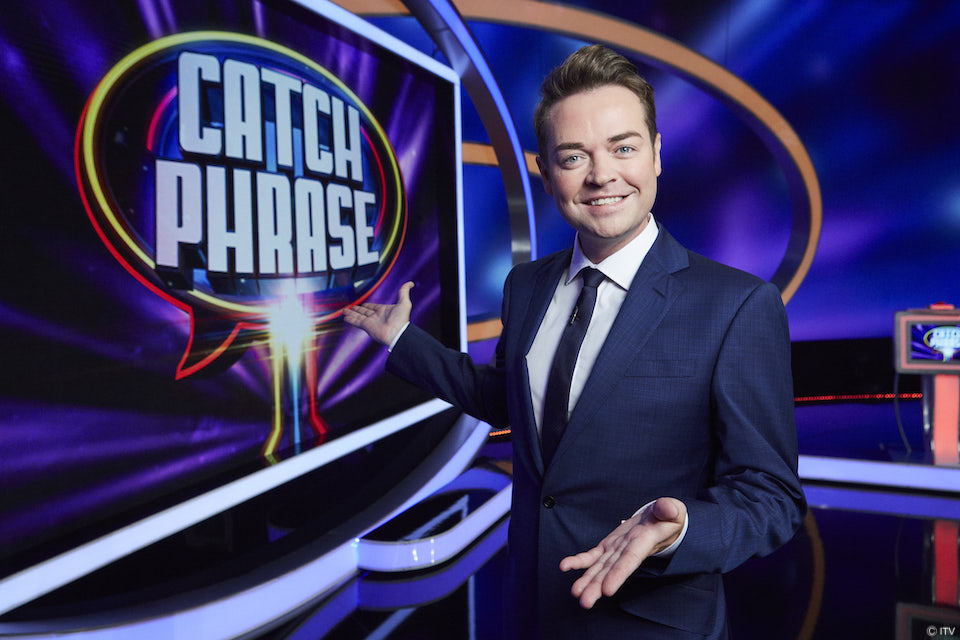
    He’s the popular host of Catchphrase, but what else do we know about the ever youthful-looking Stephen Mulhern?

    Is Stephen Mulhern Married?

    Is Stephen Mulhern married?

    At the moment, it seems as though Stephen Mulhern is not married. There were rumours circulating that he was dating or could be getting hitched to actor Emma Barton in the past. However it was reported that the couple split in 2017.

    Is Stephen Mulhern gay or bisexual?

    Stephen has never publicly addressed his sexuality. So we can’t say for certain whether he is gay or not. There are, of course, the same with many public figures, rumours surrounding his private life, however, he’s never publicly acknowledged if he is gay or not.


    Is Stephen Mulhern gay?

    What is Stephen Mulhern’s net worth?

    Some estimates have Mulhern’s net-worth at $3 million (around £2.3 million). These are website estimates and aren’t verfied, however his body of work would suggest that he could be worth more.

    Before he started his lucrative career as a TV presenter, the performer was first discovered doing magic tricks in Butlins, a holiday camp in the UK. He was offered a slot on the Royal Variety Show. The rest as they say is history.

    He began presenting on TV back in 1998 on an ITV show called CITV. Then he has been in work steadily ever since, his most recent presenting jobs include Catchphrase and Britain’s Got More Talent.

  • Is Josh Widdicombe gay?

    Josh Widdicombe is probably best known for his comedy, but what else do we know about the stand up comedian?

    Is Josh Widdicombe gay?

    London-born Josh has never come out as gay or bisexual and he is usually private about his love life and family life, however it was revealed on a TV show, Jon Richardson: Ultimate Worrier, that Josh does have one child.

    The former Guardian journalist is very quiet about the age and sex of his child.

    Although it’s not known who the mother is.

    Is Josh Widdicombe married?

    It’s not known if Josh Widdicombe is married or not.


  • Is Harry Hill gay?

    He’s the voice of You’ve Been Framed, but what else do we know about the comedian?

    Is Harry Hill gay?

    Harry Hill is probably most famous for his starchy white, high collared shirts and his trademark black blazer, but some people want to know whether the comedian is married. He’s starred in a number of TV shows, most notably, Harry Hill’s TV Burp and You’ve Been Framed, which he has been presenting since 2004.

    Is Harry Hill Married?

    As it turns out, Harry Hill is indeed married. He’s partnered with Magda Archer. The pair got hitched in 1996. Together they have three children, three daughters called Killy, Winifred and Frederica. All three daughters were born in London, in the borough of Kensington and Chelsea.

    The couple married in Wandsworth in 1996. Magda is an artist.

    Is Harry Hill gay?

    No, Harry Hill isn’t gay nor has he ever publicly identified as bisexual. He is married to a woman called Magda Archer. They were wed in London in 1996 and together have three daughters.

  • How LGBT friendly is Theresa May’s Cabinet

    How LGBT friendly is Theresa May’s Cabinet

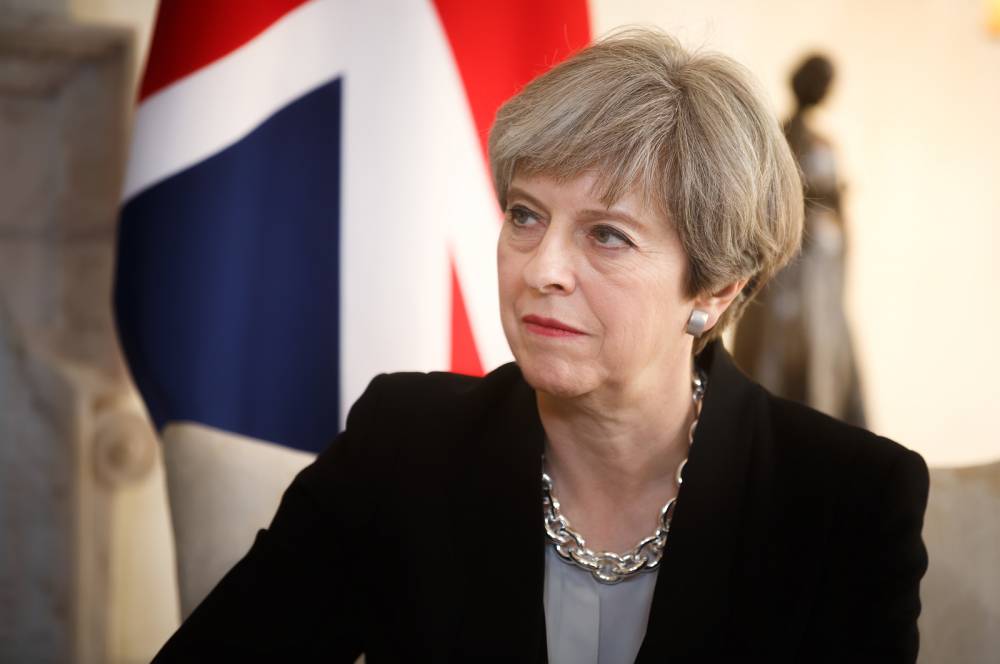
    How has Theresa May’s cabinet voted in gay and LGBT+ issues throughout their time as MPs?

    In order to get our LGBT friendly rating, we have combined absent and abstained votes as a non-vote. You can read a comment on this at the bottom of the article.

    These findings were taken from the TheyWorkForYou.com website. In determining our rating we have highlighted major votes (as determined by TheyWorkForYou). We have left out “less important votes” which is why some tallies may not match the major votes.

    Quick Analysis:

    21 Ministers (and one Peer), including the Prime Minister.

    Number of ministers who have a 50% or above LGBT friendly rating: 12/21

    Number of ministers who have a 49% or under LGBT friendly rating: 9/21

    Number of ministers who have a 100% LGBT friendly rating: 5/21

    Number of ministers who have under a 20% LGBT friendly rating: 3/21

    Prime Minister

    Theresa May

    8 votes for, 10 votes against, 9 absences, between 2002–2014

    MAJOR YES VOTES: 5

    2003: Civil partnerships.

    2013: Same-sex marriage. (Feb)

    2013: Same-sex marriage. (May)

    2014:  Enabling the courts to deal with proceedings for the divorce of, or annulment of the marriage of, a same-sex couple.

    2014: Making same-sex marriage available to armed forces personnel outside the UK.

    MAJOR NO VOTES: 2

    1998: Equalising the age of consent.

    2002: Allowing gay couples to adopt children.

    MAJOR ABSENT VOTES: 3

    2003: Repeal a ban on the promotion of homosexuality in schools. Section 28.

    2004: Allow Marriages to Remain Valid If They Become a Same-Sex Marriage.

    2007: Discrimination on the grounds of sexuality.

    Rating: 29.6%

    Analysis of Theresa May’s LGBT voting:

    Ms May is what we’d call an evolved Minister on LGBT+ and gay rights. Prior to 2004 she systematically voted against the rights of gay people in the UK. Then we see a 180-degree change in her voting pattern, although she did have a blip in 2007 when she failed to vote on the Discrimination on the grounds of sexuality law. Since the beginning of this decade, she has voted positively for LGBT+ community.


    First Secretary Of State, Minister for the Cabinet Office

    David Lidington

    3 votes for, 18 votes against, 6 absences, between 2003–2014

    MAJOR YES VOTES: 1

    2004: Allow Marriages to Remain Valid If They Become a Same-Sex Marriage.

    MAJOR NO VOTES: 3

    1998: Equalising the age of consent.

    2002: Allowing gay couples to adopt children.

    2003: Repeal a ban on the promotion of homosexuality in schools. Section 28.

    2013: Same-sex marriage. (Feb)

    2013: Same-sex marriage. (May)

    MAJOR ABSENT VOTES: 4

    2004: Civil partnerships.

    2007: Discrimination on the grounds of sexuality.

    2014:  Enabling the courts to deal with proceedings for the divorce of, or annulment of the marriage of, a same-sex couple.

    2014: Making same-sex marriage available to armed forces personnel outside the UK.

    Rating: 11.1%

    Analysis of David Lidington’s LGBT voting:

    David Lingtonton is one of worst voters on LGBT+ and gay matters in Theresa May’s Cabinet. He has nearly voted against or failed to turn up to every major vote concerning the equality of gay people in the UK since he took office. He has only voted positively on one major piece of legislation which was in 2004.


    Chancellor of the Exchequer

    Philip Hammond

    3 votes for, 11 votes against, 13 absences, between 2002–2014

    MAJOR YES VOTES: 2

    2014:  Enabling the courts to deal with proceedings for the divorce of, or annulment of the marriage of, a same-sex couple.

    2014: Making same-sex marriage available to armed forces personnel outside the UK.

    MAJOR NO VOTES: 2

    1998: Equalising the age of consent.

    2002: Allowing gay couples to adopt children.

    MAJOR ABSENT VOTES: 6

    2003: Repeal a ban on the promotion of homosexuality in schools. Section 28.

    2003: Civil partnerships.

    2004: Allow Marriages to Remain Valid If They Become a Same-Sex Marriage.

    2007: Discrimination on the grounds of sexuality.

    2013: Same-sex marriage. (Feb)

    2013: Same-sex marriage. (May)

    Rating: 11.1%

    Analysis of Philip Hammond’s LGBT voting:

    Philip Hammond has an appalling voting record on LGBT matters and his six failures to appear for a vote, to us, shows a very real lack of respect for gay rights and the LGBT+ community. He hasn’t, it would appear evolved on matters of LGBT rights, even failing to appear for the 2013 same-sex marriage vote.


    Foreign Secretary

    Jeremy Hunt

    8 votes for, 2 votes against, between 2008–2014

    MAJOR YES VOTES: 5

    2007: Discrimination on the grounds of sexuality.

    2013: Same-sex marriage. (Feb)

    2013: Same-sex marriage. (May)

    2014: Enabling the courts to deal with proceedings for the divorce of, or annulment of the marriage of, a same-sex couple.

    2014: Making same-sex marriage available to armed forces personnel outside the UK.

    MAJOR NO VOTES: 0

    MAJOR ABSENT VOTES: 0

    Rating: 80%

    Analysis of Jeremy Hunt’s LGBT voting:

    Jeremy has a perfect score for voting on gay and LGBT+ matters.


    Home Secretary

    Sajid Javid

    2 votes for, 0 votes against, 5 absences, between 2013–2014

    MAJOR YES VOTES: 2

    2013: Same-sex marriage. (Feb)

    2013: Same-sex marriage. (May)

    MAJOR NO VOTES: 0

    MAJOR ABSENT VOTE: 2

    2014: Enabling the courts to deal with proceedings for the divorce of, or annulment of the marriage of, a same-sex couple.

    2014: Making same-sex marriage available to armed forces personnel outside the UK.

    Rating: 28.5%

    Analysis of Sajid Javid’s LGBT voting:

    His absenteeism is cause for concern. Despite voting positively for same-sex marriage he didn’t attend a vote to equalise marriage laws or extend the right to marry to our armed forces.


    Brexit Secretary

    Stephen Barclay

    4 votes for, 0 votes against, 3 absences, between 2013–2014

    MAJOR YES VOTES: 4

    2013: Same-sex marriage. (Feb)

    2013: Same-sex marriage. (May)

    2014: Enabling the courts to deal with proceedings for the divorce of, or annulment of the marriage of, a same-sex couple.

    2014: Making same-sex marriage available to armed forces personnel outside the UK.

    2014: Against various amendments to acts of Parliament in light of the introduction of same-sex marriage.

    MAJOR NO VOTES:0

    MAJOR ABSENT VOTES: 1

    Stephen Barclay was absent for a vote on Marriage (Same Sex Couples) Bill — Second Reading

    Rating: 75%

    Analysis of Stephen Barclays’s LGBT voting:

    Almost perfect score for Mr Barclay’s voting record for LGBT Right. He was absent from the second reading of Marriage (same-sex couples) Bill, but ultimately voted for the rights of gay couples to marry.


    Secretary of State for Defence

    Gavin Williamson

    2 votes for, 5 votes against, between 2013–2014

    MAJOR YES VOTES: 0

    MAJOR NO VOTES: 5

    2013: Same-sex marriage. (Feb)

    2013: Same-sex marriage. (May)

    2014: Enabling the courts to deal with proceedings for the divorce of, or annulment of the marriage of, a same-sex couple.

    2014: Making same-sex marriage available to armed forces personnel outside the UK.

    2014: Against various amendments to acts of Parliament in light of the introduction of same-sex marriage.

    MAJOR ABSENT VOTES: 0

    Rating: 28.5%

    Analysis of Gavin Williamson’s LGBT voting:

    Gavin Williamson is one of worst voters on LGBT+ and gay matters in Theresa May’s Cabinet. He has voted against every major vote concerning the equality of gay people in the UK since he took office in 2010.


    Health and Social Care Secretary

    Matthew Hancock

    7 votes for, 0 votes against, between 2013–2014

    MAJOR YES VOTES: 7

    2013: Same-sex marriage. (Feb)

    2013: Same-sex marriage. (May)

    2014: Enabling the courts to deal with proceedings for the divorce of, or annulment of the marriage of, a same-sex couple.

    2014: Making same-sex marriage available to armed forces personnel outside the UK.

    Rating: 100%

    Analysis of Matthew Hancock’s LGBT voting:

    Mr Hancock has a perfect score for voting on gay and LGBT+ matters.


    Justice Secretary

    David Gauke

    7 votes for, 3 votes against, between 2007–2014

    MAJOR YES VOTES: 4

    2013: Same-sex marriage. (Feb)

    2013: Same-sex marriage. (May)

    2014: Enabling the courts to deal with proceedings for the divorce of, or annulment of the marriage of, a same-sex couple.

    2014: Making same-sex marriage available to armed forces personnel outside the UK.

    MAJOR NO VOTES: 1

    2007: Equality Act (Sexual Orientation) Regulations

    MAJOR ABSENT VOTE: 0

    Rating: 70%

    Analysis of David Gauke’s LGBT voting:

    David Gauke has a near perfect voting record on LGBT+ issues.


    Education Secretary

    Damian Hinds

    7 votes for, 0 votes against, between 2013–2014

    MAJOR YES VOTES: 7

    2013: Same-sex marriage. (Feb)

    2013: Same-sex marriage. (May)

    2014: Enabling the courts to deal with proceedings for the divorce of, or annulment of the marriage of, a same-sex couple.

    2014: Making same-sex marriage available to armed forces personnel outside the UK.

    Rating: 100%

    Analysis of Matthew Hancock’s LGBT voting:

    Mr Hinds has a perfect score for voting on gay and LGBT+ matters.


    Secretary of State for International Trade

    Dr Liam Fox

    2 votes for, 14 votes against, 11 absences, between 2003–2014

    MAJOR YES VOTES: 0

    MAJOR NO VOTES: 4

    2002: Allowing gay couples to adopt children.

    2013: Same-sex marriage. (Both readings).

    2014:  Enabling the courts to deal with proceedings for the divorce of, or annulment of the marriage of, a same-sex couple.

    2014: Making same-sex marriage available to armed forces personnel outside the UK.

    MAJOR ABSENT VOTES: 5

    1998: Equalising the age of consent.

    2003: Repeal a ban on the promotion of homosexuality in schools. Section 28.

    2003: Civil partnerships.

    2004: Allow Marriages to Remain Valid If They Become a Same-Sex Marriage.

    2007: Discrimination on the grounds of sexuality.

    Rating: 7.4%

    Analysis of Dr Liam Fox’s LGBT voting:

    Liam Fox has an appalling voting record on LGBT+ matters. He has systematically voted against or failed to attend votes pertaining to the LGBT+ community since 1998; doing his LGBT+ constituents in North Somerset a great disservice.


    Secretary of State for Businesses, Energy and Industrial Strategy

    Greg Clark

    7 votes for, 1 vote against, 2 absences, between 2007–2014

    MAJOR YES VOTES: 4

    2013: Same-sex marriage. (Feb)

    2013: Same-sex marriage. (May)

    2014: Enabling the courts to deal with proceedings for the divorce of, or annulment of the marriage of, a same-sex couple.

    2014: Making same-sex marriage available to armed forces personnel outside the UK.

    MAJOR NO VOTES: 0

    MAJOR ABSENT VOTES: 1

    2007: Discrimination on the grounds of sexuality.

    Rating: 70%

    Analysis of Greg Clark’s LGBT voting:

    Greg Clark has an almost perfect voting record for LGBT+ rights in the UK.


    Secretary of State for Environment, Food and Rural Affairs

    Michael Gove

    5 votes for, 0 votes against, 5 absences, between 2008–2014

    MAJOR YES VOTES: 3

    2007: Discrimination on the grounds of sexuality.

    2013: Same-sex marriage. (Feb)

    2013: Same-sex marriage. (May)

    MAJOR NO VOTES: 0

    MAJOR ABSENT VOTE: 2

    2014: Making same-sex marriage available to armed forces personnel outside the UK.

    2014: Enabling the courts to deal with proceedings for the divorce of, or annulment of the marriage of, a same-sex couple.

    Rating: 50%

    Analysis of Michael Gove’s LGBT voting:

    Although Michael Gove has never voted against LGBT+ equality he has been absent from half the votes that affected the gay community.


    Secretary of State for Transport

    Chris Grayling

    9 votes for, 7 votes against, 4 absences, between 2002–2014

    MAJOR YES VOTES: 5

    2007: Discrimination on the grounds of sexuality.

    2013: Same-sex marriage. (Feb)

    2013: Same-sex marriage. (May)

    2014: Enabling the courts to deal with proceedings for the divorce of, or annulment of the marriage of, a same-sex couple.

    2014: Making same-sex marriage available to armed forces personnel outside the UK.

    MAJOR NO VOTES: 0

    MAJOR ABSENT VOTE: 3

    2003: Repeal a ban on the promotion of homosexuality in schools. Section 28.

    2003: Civil partnerships.

    2004: Gender Recognition Bill

    Rating: 45%

    Analysis of Chris Grayling’s LGBT voting:

    Chris Grayling is an almost 50-50 politician on LGBT+ matters. Although he has voted positively on many matters, his absence from some votes is cause for concern.


    House and Communities Secretary

    James Brokenshire

    7 votes for, 3 votes against, between 2007–2014

    MAJOR YES VOTES: 4

    2013: Same-sex marriage. (Feb)

    2013: Same-sex marriage. (May)

    2014: Enabling the courts to deal with proceedings for the divorce of, or annulment of the marriage of, a same-sex couple.

    2014: Making same-sex marriage available to armed forces personnel outside the UK.

    MAJOR NO VOTES: 1

    2007: Discrimination on the grounds of sexuality.

    MAJOR ABSENT VOTE: 0

    Rating: 70%

    Analysis of James Brokenshire’s LGBT voting:

    A good show for James Brokenshire and his voting on gay equality. However, there is one blip on his voting record and that was for 2007’s Discrimination on the grounds of sexuality.


    Leader of the Lords

    Baroness Evans


    Secretary of State for Scotland

    David Mundell

    6 votes for, 3 votes against, 3 absences, between 2000–2014

    MAJOR YES VOTES: 3

    2013: Same-sex marriage. (Feb)

    2014: Enabling the courts to deal with proceedings for the divorce of, or annulment of the marriage of, a same-sex couple.

    2014: Making same-sex marriage available to armed forces personnel outside the UK.

    MAJOR NO VOTES: 0

    MAJOR ABSENT VOTE: 2

    2007: Discrimination on the grounds of sexuality.

    2013: Same-sex marriage. (May)

    Rating: 50%

    Analysis of David Mundell’s LGBT voting:

    We would have hoped that one of the UK’s highest profile out politicians would have a flawless voting record, however, Mundell has been absent from too many votes for our liking.


    Secretary of State for Wales

    Alun Cairns

    2 votes for, 1 vote against, 4 absences, between 2013–2014

    MAJOR YES VOTES: 0

    MAJOR NO VOTES: 1

    2013: Same-sex marriage. (Feb)

    MAJOR ABSENT VOTE: 3

    2013: Same-sex marriage.

    2014:  Enabling the courts to deal with proceedings for the divorce of, or annulment of the marriage of, a same-sex couple.

    2014: Making same-sex marriage available to armed forces personnel outside the UK.

    Rating: 28.5%

    Analysis of Alun Cairn’s LGBT voting:

    Mr Cairns’ voting record, although not the worst in the Cabinet, certainly fails his LGBT constituents in the Vale of Glamorgan.


    Northern Ireland Secretary

    Karen Bradley

    7 votes for, 0 votes against, between 2013–2014

    MAJOR YES VOTES: 4

    2013: Same-sex marriage. (Feb)

    2013: Same-sex marriage. (May)

    2014:  Enabling the courts to deal with proceedings for the divorce of, or annulment of the marriage of, a same-sex couple.

    2014: Making same-sex marriage available to armed forces personnel outside the UK.

    MAJOR NO VOTES: 0

    MAJOR ABSENT VOTE: 0

    Rating: 100%

    Analysis of Karen Bradley’s LGBT voting:

    Ms Bradley has a perfect score for voting on gay and LGBT+ matters.


    Secretary of State for International Development

    Penny Mordaunt

    7 votes for, 0 votes against, between 2013–2014

    MAJOR YES VOTES: 4

    2013: Same-sex marriage. (Feb)

    2013: Same-sex marriage. (May)

    2014: Enabling the courts to deal with proceedings for the divorce of, or annulment of the marriage of, a same-sex couple.

    2014: Making same-sex marriage available to armed forces personnel outside the UK.

    MAJOR NO VOTES: 0

    MAJOR ABSENT VOTE: 0

    Rating: 100%

    Analysis of Penny Mordaunt’s LGBT voting:

    Having only served as an MP since 2010, Penny Mordaunt is part of a new Conservative wave – a much more liberal thinker. Compared with some of her longer serving Cabinet members, she has voted in far fewer matters that concern the LGBT+ community however, she has consistently voted for LGBT+ rights and is one of the highest scorers on this league table.


    Culture Secretary

    Jeremy Wright

    2 votes for, 4 votes against, 4 absences, between 2008–2014

    MAJOR YES VOTES: 2

    2013: Jeremy Wright voted in favour of allowing same-sex couples to marry. (in primary readings, but ultimately voted against same-sex marriage)

    MAJOR NO VOTES: 4

    2013: Jeremy Wright voted in favour of allowing same-sex couples to marry.

    MAJOR ABSENT VOTES: 4

    2013: Jeremy Wright was absent for a vote on Same-Sex Marriage — Enabling Courts to Deal with Divorce or Annulment Proceedings

    2014: Jeremy Wright was absent for a vote on Make Same-Sex Marriage Available to Armed Forces Personnel Outside the United Kingdom

    2007: Jeremy Wright was absent for a vote on Equality Act (Sexual Orientation) Regulations

    Rating: 25%

    Analysis of Jeremy Wright’s LGBT voting:

    Having served since 2008, Mr Wright has had plenty of opportunities to enhance the rights of LGBT people in the UK, however, he has one of the worse ratings on Ms May’s Cabinet.


    Work and Pensions Secretary

    Amber Rudd

    7 votes for, 0 votes against, between 2013–2014

    MAJOR YES VOTES: 5

    2013: Same-sex marriage. (Feb)

    2013: Same-sex marriage. (May)

    2014: Enabling the courts to deal with proceedings for the divorce of, or annulment of the marriage of, a same-sex couple.

    2014: Making same-sex marriage available to armed forces personnel outside the UK.

    MAJOR NO VOTES: 0

    MAJOR ABSENT VOTES: 0

    Rating: 100%

    Analysis of Amber Rudd’s LGBT voting:

    Having only served as an MP since 2010, Amber Rudd is part of a new Conservative wave – a much more liberal thinker. Compared with some of her longer serving Cabinet members, she has voted in far fewer matters that concern the LGBT+ community however, she has consistently voted for LGBT+ rights and is one of the highest scorers on this league table.


    Party Chair

    Brandon Lewis

    4 votes for, 0 votes against, 3 absences, between 2013–2014

    MAJOR YES VOTES: 4

    2013: Same-sex marriage. (Feb)

    2013: Same-sex marriage. (May)

    MAJOR NO VOTES: 0

    MAJOR ABSENT VOTES: 3

    2014: Enabling the courts to deal with proceedings for the divorce of, or annulment of the marriage of, a same-sex couple.

    2014: Making same-sex marriage available to armed forces personnel outside the UK.

    Rating: 57%

    Analysis of Brandon’s LGBT voting:

    Generally speaking Brandon has voted for the rights of LGBT+ people however was absent from three crucial votes which directly affect the rights of LGBT armed forces and allowing the courts to treat LGBT people in the matter of divorce.


    How we calculated our results.
    Using TheyWorkForYou.com we were able to define MPs’ voting records on equality issues. We made conclusions on an MP’s voting record – we counted Absent votes as a negative.

    ABSENT COMMENT – Editor

    For this analysis on how this government’s head ministers LGBT friendly rating, we have chosen to consider an absent or abstain vote as a no vote. In my opinion, if you are absent for a vote you are voting for the status quo – which often meant a poorer equality for the LGBT community, such as votes surrounding age of consent, repealing section 28 and of course same-sex marriage.

    In my view, Abstaining is worse than Absent, because I believe that abstaining indicates a level of contempt and that certain issues are not even worth consideration.
  • Can I be buried next to my partner if we’re not married?

    Can I be buried next to my partner if we’re not married?

    After the tragic death of his boyfriend of 14 years, a reader asks our legal expert Matt Parr if he can, when he dies, be buried next to his partner when the family of the deceased won’t allow it.

    Writing to THEGAYUK, MB* from London told us that his partner of 14 years died suddenly in a car crash. Although he and his partner’s family always got on well, when MB told them of his plans to get buried alongside his deceased boyfriend when he eventually dies, the family wrote him a letter telling them that they wouldn’t allow that to happen.

    He told us, “I got a letter from his family which said under no circumstances would they allow me to be buried with my partner. We weren’t married, but we did own a house together and the mortgage was paid off a while ago. Is there anything legally I can do to ensure that I can be buried next to my partner”

    “Exclusive Rights of Burial”

    Matt Parr suggests that MB’s first port of call should be to his local council, saying, “I would contact your local Council office and ask to speak to their bereavement department. You can make enquiries into the possibility of purchasing the Exclusive Rights of Burial for the plot next to your partner if the cemetery is Council-owned.

    “While this does not afford you the legal ownership of the land itself, it does give you the right to be buried there and for your family to erect a memorial. It may be a question of moving fast to try and secure the plot as your partner’s family may try to purchase the same as a preventative measure.

    Make a Will and specific what you want

    “If you do not already have a will in place which stipulates your funeral wishes, I would advise that you speak to a solicitor regarding preparing one. In the will, you would be able to alert your executors to the fact that you have purchased the plot and wish to be buried there. While your funeral wishes are just wishes and unlike the rest of your will aren’t binding, it will ensure that steps are taken for you to be buried there, even if this is not ultimately possible for one reason or another.

    This response is not intended to constitute legal or other professional advice and should not be relied on or treated as a substitute for specific advice relevant to particular circumstances. Individuals should always seek legal advice from a professional which is specific to their unique set of circumstances”

    *Name changed

  • What does the Red Ribbon used for World AIDS Day mean?

    What does the Red Ribbon used for World AIDS Day mean?

    Every year on the 1st of December many people start wearing a red ribbon for World AIDS Day, but what does it mean and who designed it?

    Why is the Red Ribbon used for World AIDS Day and who designed it?
    ArtsyBee / Pixabay

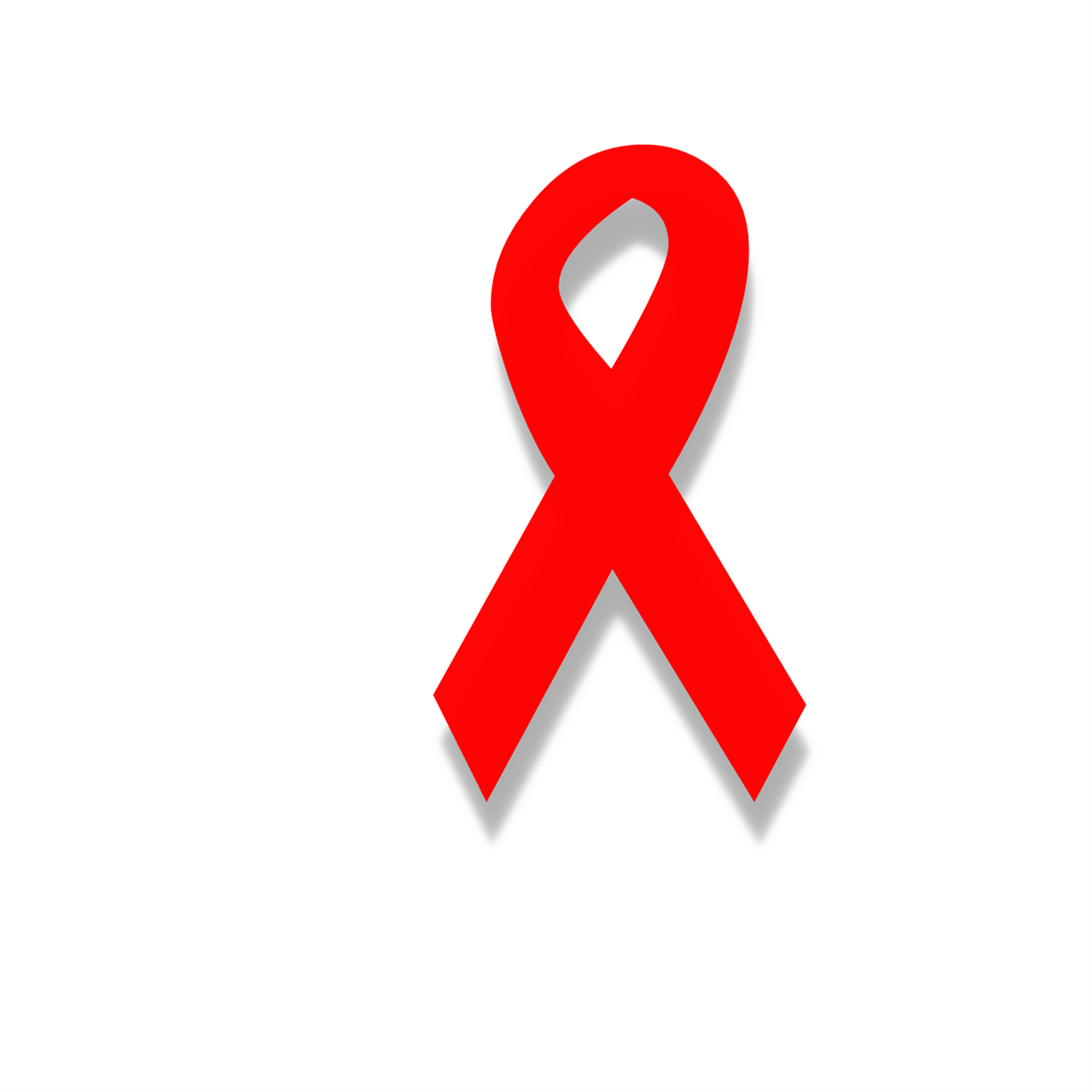
    The Red Ribbon symbol has become the defining icon for the awareness, fundraising and determination to beat HIV and AIDS. It is a strong vibrant red symbol that has become synonymous with every 1st December and it was designed in 1991.

    A decade after AIDS began its stranglehold, decimating communities, a coalition of 12 artists gathered to devise a plan to raise awareness for Visual Aids, a New York arts organisation which raises awareness of HIV.

    The 12 people consisted of photographers, painters, filmmakers and costume designers. After a short collaboration they came up with the striking, but the simple idea of the red ribbon, inspired by the yellow ribbons tied on trees at the time, to denote support for US military fighting in the Gulf war.

    Pink and rainbow colours were rejected because of their association with the LGBT+ community, and the designers were keen to show that HIV went beyond gay people and could potentially affect everyone.

    The red ribbon logo became recognisable across the globe.

    Signify Awareness and Support

    OpenClipart-Vectors / Pixabay

    In our interview with David France, director of How to Survive A Plague told us,  “In one of the worst moments we ever faced we rose above it. We took care of each other. It was extraordinary and beautiful”.

    The ribbon is worn to signify awareness and support for people living with HIV.

    According to WorldAIDsDay.org, “When the artists sat down to work on this project, their aim was to get people talking about HIV. This was at a time where HIV was highly stigmatised and people living with HIV were suffering behind closed doors, some too scared to even tell their loved ones they were living with the virus. The artists wanted to create a visual expression of compassion for people living with, and affected by, HIV.”

    At handmade ribbons where distributed in New York

    Back in 1991 a group of artists created the red ribbon. The first batch was handmade and given out on the streets of New York.

    In the very beginning, the artists made the ribbons themselves and distributed them around New York. “Within weeks of the red ribbon idea being born, world-famous actors starting wearing the red ribbon to high-profile award ceremonies such as the Oscars and talking about why it was important. The media also cottoned on, and within a short space of time the red ribbon symbol became universally recognised.” Explains the website.

  • Who is Ben Whishaw and is he married?

    Who is Ben Whishaw and is he married?

    Ben Whishaw was made a household name in the critically acclaimed spy drama, London Spy in 2015.

    CREDIT: Denis-Makarenko bigstock

    Ben Whishaw has also appeared in James Bond films playing Q as well lending his voice to the new Paddington films playing the inquisitive bear himself. Last year he starred in the acclaimed A Very English Scandal. In 2015 he starred in London Spy which earned him a Bafta nomination.

    Is Ben Whishaw married?

    Ben is married to his husband, Mark Bradshaw. They got married in a civil partnership in August 2012. Although he’s is notoriously secretive about his private life, telling Out Magazine in 2011 that actors have the right to privacy and mystery. He said, “I don’t see why that has to be something you discuss openly because you do something in the public eye. I have no understanding of why we turn actors into celebrities”.

    The couple met around 2009 on the set of Bright Star where Whishaw played the role of English poet John Keats.

    His husband Mark Bradshaw is an Australian composer who is best known for his music for television and film. He was working on the film Bright Star when he met his future husband.

    CREDIT: (C) WTTV Limited – Photographer: Joss Barratt

    Is Ben Whishaw gay?

    It seems as though Ben Whishaw is gay and not bisexual. In 2014 he talked about his coming out experience saying it was “intense” but that ultimately everybody around him was supportive.

    How much is Ben Whishaw worth?

    According to Celebrity Net Worth Ben is worth $2 million which is about £1.56m

    How old is Ben Whishaw

    Ben was born October 14 1980 which makes him 38. He was born Born in Clifford, Bedfordshire, England, UK.


  • How many gay people are there in England?

    How many gay people are there in England?

    The number of people who identify as lesbian, gay and bisexual in England is a hotly debated subject, with no clear answer, but here will look at all the available stats.

    how many gay people are in England
    (C) BIGSTOCK

    There has long been a widely-held belief that around 10 per cent of the population is gay, lesbian or bisexual or who identify as non-heterosexual. This is probably the most accurate of all the figures – as more and more people feel comfortable to come out about their sexuality.

    ALSO: How many gay people are there in Scotland?

    ALSO: How many gay people are there in Wales?

    ALSO: How many gay people are there in Northern Ireland?

    The most up-to-date statistics from healthcare company Euroclinix show that six per cent of people identify as homosexual while seven per cent of people identify as bisexual. This equates to 13 per cent of the population identifying as either gay, lesbian or bisexual. EuroClinix surveyed 2,000 people around the UK to find out more about the sex lives of Brits.

    The current population in England is estimated to be 54.79 million people, which means that there are over 7,122,700 gay, lesbian or bisexual people in England if you take that 13 per cent statistic.

    Other sources:

    The ONS (Office of National Statistics) says that in a survey of people in the United Kingdom it found that 1.5 per cent of people identified as LGB. This result was arrived at by extrapolation of data collected. However, these statistics were disputed for not being accurate or showing the full picture. By their estimations, this would mean that there are only 821,850 LGB people in England.

    However, in 2005 the HM Treasury and the Department of Trade and Industry of the UK estimated that nearly 6 per cent of people were LGB after studying the economic impact of civil partnerships and same-sex marriages. By their estimations, this would mean that there are 3,28,400 LGB people in England.

    In 2008 the Guardian newspaper reported that 8 per cent of the population were LGB in 2014 the same newspaper group conducted another survey and found that the figures were still consistent. By their estimations, this would mean that there are 4,383,200 LGB people in England.


  • How many gay people are there in Northern Ireland?

    How many gay people are there in Northern Ireland?

    The number of people who identify as lesbian, gay and bisexual in Northern Ireland is a hotly debated subject, with no clear answer, but here will look at all the available stats.

    how many gay people are in Northern Ireland
    (C) BIGSTOCK

    There has long been a widely-held belief that around 10 per cent of the population is gay, lesbian or bisexual or who identify as non-heterosexual. This is probably the most accurate of all the figures – as more and more people feel comfortable to come out about their sexuality.

    ALSO: How many gay people are there in England?

    ALSO: How many gay people are there in Wales?

    ALSO: How many gay people are there in Scotland?

    The most up-to-date statistics from healthcare company Euroclinix show that six per cent of people identify as homosexual while seven per cent of people identify as bisexual. This equates to 13 per cent of the population identifying as either gay, lesbian or bisexual. EuroClinix surveyed 2,000 people around the UK to find out more about the sex lives of Brits.

    The current population in Northern Ireland is estimated to be 5.405 million people, which means that there are over 702,650 gay, lesbian or bisexual people in Northern Ireland if you take that 13 per cent statistic.

    Other sources:

    The ONS (Office of National Statistics) says that in a survey of people in the United Kingdom it found that 1.5 per cent of people identified as LGB. This result was arrived at by extrapolation of data collected. However, these statistics were disputed for not being accurate or showing the full picture. By their estimations, this would mean that there are only 81,075 LGB people in Northern Ireland.

    However, in 2005 the HM Treasury and the Department of Trade and Industry of the UK estimated that nearly 6 per cent of people were LGB after studying the economic impact of civil partnerships and same-sex marriages. By their estimations, this would mean that there are 324,300 LGB people in Northern Ireland.

    In 2008 the Guardian newspaper reported that 8 per cent of the population were LGB in 2014 the same newspaper group conducted another survey and found that the figures were still consistent. By their estimations, this would mean that there are 432,400 LGB people in Northern Ireland.


  • Do males have a hymen?

    Do males have a hymen?

    The hymen is part of the female anatomy, which can get broken when a female loses her virginity. So do males have something similar?

    (C) BIGSTOCK

    The hymen is a thin membrane that covers part of the external vaginal opening in females. Weirdly, it doesn’t seem to have an actual use, according to Wikipedia, that suggests, “the hymen does not seem to have a specific physiological function and has few, if any, nerve endings”

    But it can cause pain when and if it’s ripped. It can be ripped by inserting a tampon, injury or by having sex – although not always. Many women complain of a sharp pain and blood spotting when the hymen is ripped, however, some women don’t feel it. It may, or may not cause bleeding when it is ripped.

    So do men have a hymen?

    So medically biological men (sometimes referred to as cis-gender men) don’t have a hymen – and there’s nothing that males have is biologically similar to a female’s hymen – however, if men have anal sex, or engaging in pegging, discomfort may be caused during the insertion of a penis or dildo for the first time – it may even cause a rip in the anal opening – which is why lots of lube is recommended and taking lots of time in order to have penetration.

    However, trans men, those who were born with female anatomy but have transitioned to men could very well have a hymen if they haven’t had lower surgery.

    Want some tips on bottoming for the first time? Check out these ideas from five guys who give their best suggestions for anal sex.

  • How many gay people are there in Wales?

    How many gay people are there in Wales?

    The number of people who identify as lesbian, gay and bisexual in Wales is a hotly debated subject, with no clear answer, but here will look at all the available stats.

    how many gay people in wales
    (C) BIGSTOCK

    There has long been a widely-held belief that around 10 per cent of the population is gay, lesbian or bisexual or who identify as non-heterosexual. This is probably the most accurate of all the figures – as more and more people feel comfortable to come out about their sexuality.

    ALSO: How many gay people are there in England?

    ALSO: How many gay people are there in Scotland?

    ALSO: How many gay people are there in Northern Ireland?

    The most up-to-date statistics from healthcare company Euroclinix show that six per cent of people identify as homosexual while seven per cent of people identify as bisexual. This equates to 13 per cent of the population identifying as either gay, lesbian or bisexual. EuroClinix surveyed 2,000 people around the UK to find out more about the sex lives of Brits.

    The current population in Wales is estimated to be 3.113 million people, which means that there are over 404,690 gay, lesbian or bisexual people in the UK if you take that 13 per cent statistic.

    Other sources:

    The ONS (Office of National Statistics) says that in a survey of people in the United Kingdom it found that 1.5 per cent of people identified as LGB. This result was arrived at by extrapolation of data collected. However, these statistics were disputed for not being accurate or showing the full picture. By their estimations, this would mean that there are only 46,695 LGB people in Wales.

    However, in 2005 the HM Treasury and the Department of Trade and Industry of the UK estimated that nearly 6 per cent of people were LGB after studying the economic impact of civil partnerships and same-sex marriages. By their estimations, this would mean that there are 186780 LGB people in Wales.

    In 2008 the Guardian newspaper reported that 8 per cent of the population were LGB in 2014 the same newspaper group conducted another survey and found that the figures were still consistent. By their estimations, this would mean that there are 249,040 LGB people in Wales.