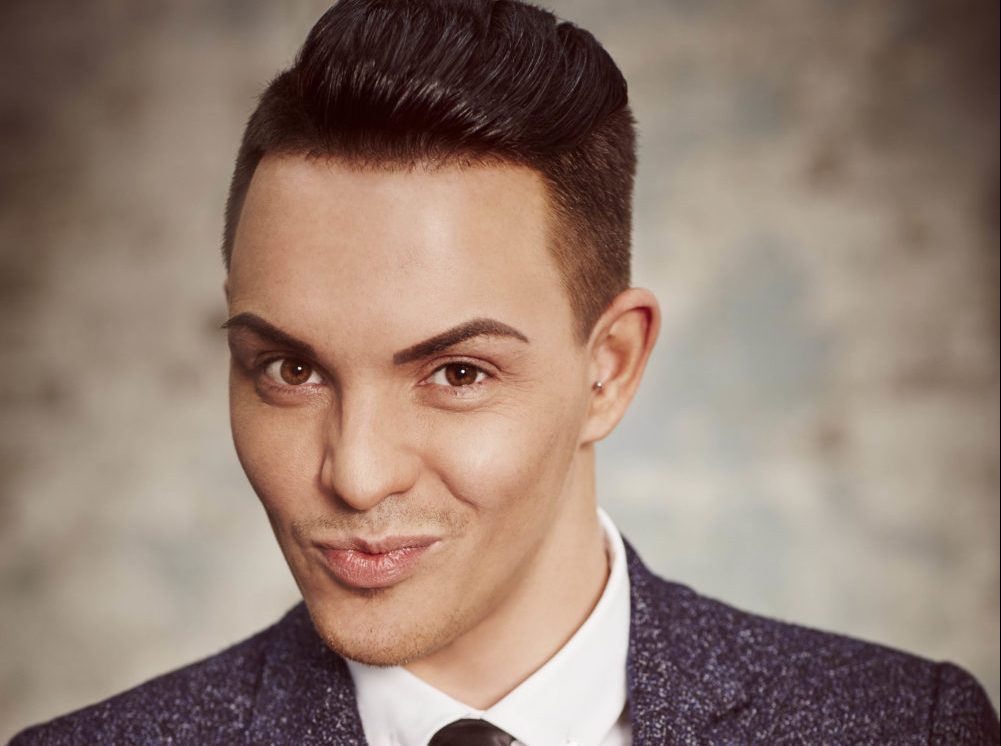
Because the petition reached over 100,000 signatures it will now be discussed in the houses of parliament on the 1st July 2019, which anyone will be able to watch on the official YouTube channel for Parliament.
Working cross-Government to challenge inequality
Responding to the petition a spokesperson for the Government wrote, “The Government recognises the harm that homophobic online messages can cause. We are working cross-Government to challenge inequality and make the UK’s online environment a safer place for everyone”.
In his original petition, Bobby wrote, that he was “devastated” by homophobic abused levelled at the LGBT+ community and wanted it to be debated in parliament. He continued, “Just because I am on TV I don’t think that makes it acceptable to be sent homophobic messages/ comments on social media platforms.
“Nobody should have to receive these comments.
“I won’t go into detail as to the various names I have been called, but this should not be acceptable and can have an impact on people’s mental health and has certainly helped in making my anxiety and low self-esteem worse by receiving them”
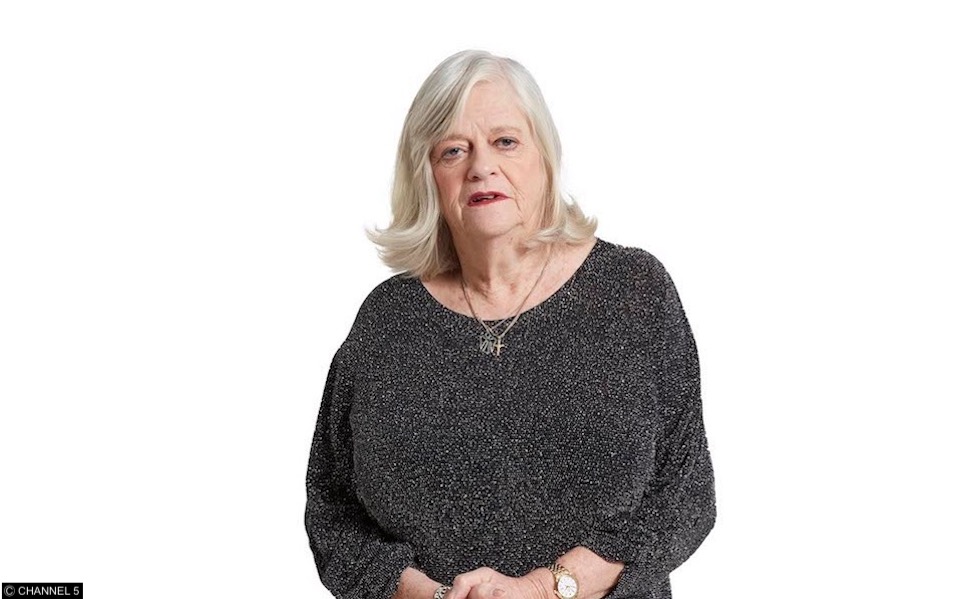
Ann Widdecombe has had her one-woman show cancelled after suggesting that science may have an answer to homosexuality.
Ann Widdecombe has one less opportunity to spread her thoughts after a theatre company, Selladoor, scrapped an event at a venue in Ilfracombe, Devon, where the right-wing politician was due to host a one-woman show, next March.
The decision to cancel the show follows on from an interview on Sky News in which Widdecombe suggested that science may “produce an answer” to homosexuality – a comment which has led to a huge backlash against the Brexit Party politician.
David Hutchison, Selladoor’s chief executive – posted on Twitter, “Absolutely disgusted at Ann Widdecombe’s comments.
“Took no time in immediately cancelling her planned ‘evening with’ event at one of our venues.
“We will never provide a stage for these vile people.”
Absolutely disgusted at Ann Widdecombe’s comments over the weekend. Took no time in immediately cancelling her planned ‘evening with’ event at one of our @SelladoorVenues. We will never provide a stage for these vile people.https://t.co/IpcU7y90e6
— David Hutchinson (@DaveHutchinson_) June 3, 2019
During her time in office as the MP for Maidstone and The Weald, Ann Widdecombe voted against every piece of pro-LGBT+ or equalising legislation for the gay community in the UK.
In 2003 she voted to maintain Section 28 in schools and in 1998 she voted against the law to equalise the age of consent. Between 1998 and 2009 she was involved in 17 votes pertaining to LGBT+ rights – 13 of which she voted against and the other four she was absent from, according to theyworkforyou.com
Ann Widdecombe’s career as an MP was ended in 2010.
India Willoughby has said that she’s considering entering the political arena.
Celebrity Big Brother star and journalist India Willoughby has suggested that she is considering entering politics saying that she is thinking about standing as an MP. Speaking to THEGAYUK.com the journalist said that she’d run as an MP for the newly formed Brexit Party.
India has become very vocal on politics on social media.
Her fans have already lined up their support saying that she should and at least one mentioning her celebrity status, saying “Well at least you are well known! I haven’t heard of many of these MPs”.
The Brexit Party is a new party to the UK and is headed up by former UKIP leader, Nigel Farage. The party calls Ann Widdecombe as one of its star voices. The party also has Doctor David Bull as one of its MEPs. During the latest EU elections, the party made a huge impact winning 29 seats out of the total of 73 available, which represents around 31.6 percent of the vote.
The Liberal Democrats came second with 16 seats, around 20.3% of the vote.
India told THEGAYUK.com that she was a fan of Farage’s politics, saying, “(I’m) sure Nigel and I will get on fantastically. Plain talkers. It was a really simple choice between leave or stay. The majority voted leave. Let’s just do it”
MP Jess Phillips managed to explains how the equality act protects Muslims and LGBT people – ‘you don’t get to pick and choose what equality you have’.
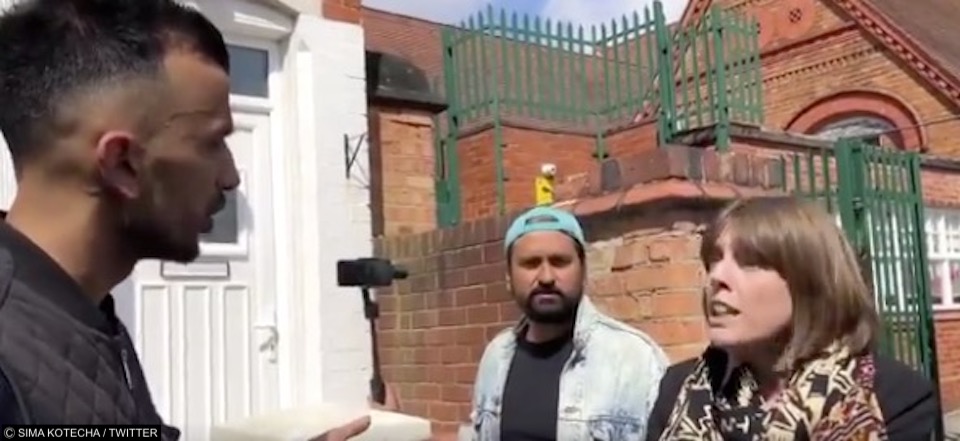
Jess Phillips talks with a protester Shakeel Afsar outside the Anderton School in Birmingham
The Labour MP for Birmingham Yardley Jess Phillips managed to explain her belief that the current equality act protects Muslims and LGBT+ people, saying that the current protests against teaching LGBT+ education, in programmes like the No Outsiders campaign, is “damaging the reputation of a peaceful and loving community”.
Speaking outside a school in Birmingham where mainly Muslim parents have been protesting, the MP said, “I don’t agree with these protests, I don’t agree that you get to pick and choose which equality you can and cannot have.
“Our equality laws protect us all. I want them to protect you. Actually I want to protect the Muslim community, which is getting a terrible… I want our Muslim community to be completely protected.
“The worse thing about it is it’s damaging the reputation of a peaceful and loving community that I have lived in my entire life.”
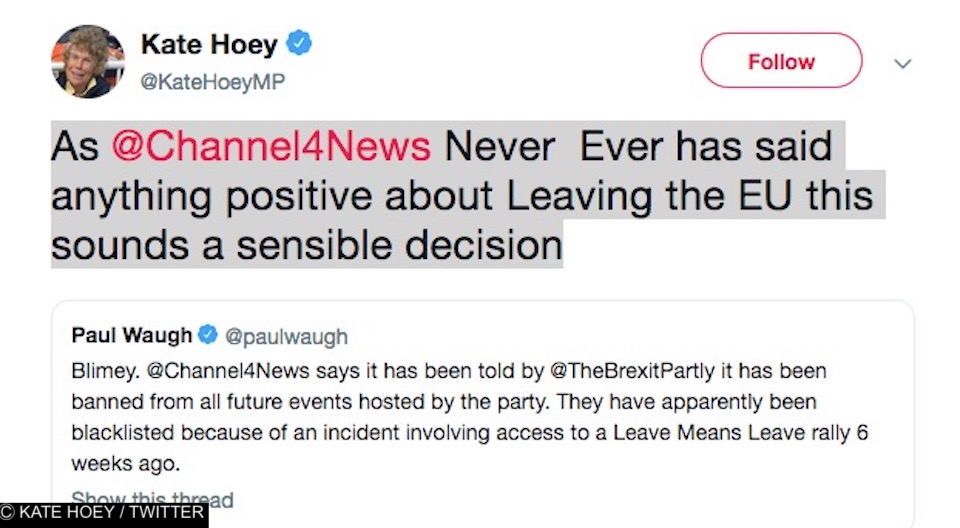
The MP for Vauxhall, Kate Hoey has come under fire for a tweet in which she suggests that an alleged ban on Channel 4 news at political events is a “sensible decision”.
Kate Hoey, the MP for Vauxhall and ardent Brexiteer, despite the majority (over 77 per cent) of her constituency voting remain in the 2016 EU Referendum, has been blasted for a tweet in which she appears to suggest that banning a mainstream broadcaster from attending a political rally was a “sensible idea”.
In a reply to a claim that Channel 4 News had been banned from future Brexit Party events, the MP wrote, “As @Channel4News Never Ever has said anything positive about Leaving the EU this sounds a sensible decision”
The tweet comes off the back off a tweet from Paul Waugh, HuffPost’s executive editor of politics, in which he reveals that he’s heard that the Brexit Party has banned Channel 4 from attending all future events hosted by the party, who counts Ann Widdecombe as one of its star players.
The journalist Patrick Strudwick was quick to comment on the tweet saying, “A member of parliament supporting the suppression of journalism – essential for democracy. This is astonishing.”
A member of parliament supporting the suppression of journalism – essential for democracy. This is astonishing. https://t.co/gqrwlzJYmf
Others were quick to suggest that Hoey was in the wrong, with one adding, “An MP supporting the suppression of journalism? You really should be ashamed of yourself” while another commented, “Censorship is, of course, one of the key weapons of the hard right with which Ms Hoey seems to be more and.more a fellow traveller. How is she still pretending to be a Labour MP?”
Ann Widdecombe, one of the UK’s most anti-equality politicians, has joined the Brexit Party.
One of the UK’s most conservative politicians, Ann Widdecombe has joined the brand new Brexit Party, which is headed up by former UKIP leader Nigel Farage. The party was formed ahead of the forthcoming European elections, in which the UK will vote in.
During her time in office as the MP for Maidstone and The Weald, Ann Widdecombe voted against every piece of pro-LGBT+ or equalising legislation for the gay community in the UK.
In 2003 she voted to maintain Section 28 in schools and in 1998 she voted against the law to equalise the age of consent. Between 1998 and 2009 she was involved in 17 votes pertaining to LGBT+ rights – 13 of which she voted against and the other four she was absent from, according to theyworkforyou.com
Ann Widdecombe’s career as an MP was ended in 2010.
She also voted against the Equality Bill which promotes equality and various human rights.
Nigel Farage described Widdecombe’s entry into the Brexit Party, as “great news”. He took to social media to say, “I welcome Ann Widdecombe as our lead candidate in the South West, the Brexit Party is a stronger alliance as a result. This is great news”.
I welcome Ann Widdecombe as our lead candidate in the South West, the Brexit Party is a stronger alliance as a result. This is great news.
Bobby Norris created a petition imploring politicians to make online homophobia a criminal offence, and it’s reached a whopping milestone.
From Lime Productions
TOWIE star Bobby Norris is celebrating after a petition he created, asking the UK’s government to make online homophobia a specific offence reached over 100,000 signatures.
Taking to social media, Bobby wrote, “WOW!! Thank you so much to everyone who has signed and shared my petition. I can’t wait to get into Parliament now and get this debated”.
As it stands the petition currently has over 114,000 signatures.
In his original petition, Bobby wrote, that he was “devastated” by homophobic abused levelled at the LGBT+ community and wanted it to be debated in parliament.
The Home Office responded at 10,000 signatures, saying “The Government recognises the harm that homophobic online messages can cause. We are working cross-Government to challenge inequality and make the UK’s online environment a safer place for everyone.”
“The internet provides a wealth of opportunities for people globally. It is a platform for everyone to share experiences and creativity, and it encourages rich discussion. It has allowed people to create communities and interact in ways that were not previously possible. The Government recognises, however, that some people exploit these opportunities to spread harmful messages which would not be tolerated offline. Protecting people online is a top priority for Government.
“In some cases, these behaviours may already constitute criminal offences, and the law does not differentiate between criminal offences committed on social media or elsewhere. We have robust legislation to deal with internet trolls, cyber-stalking and harassment, and perpetrators of grossly offensive, obscene or menacing behaviour, which may be relevant to some cases of LGBT abuse.
“Hate crime legislation may already apply in online homophobic offences. Hate crimes include crimes demonstrating hostility on the grounds of an individual’s actual or perceived race, religion, sexual orientation, disability or transgender identity, as well as stirring up hatred on the grounds of race, religion or sexual orientation.
“The Government is taking significant steps to tackle hateful activity online:
• We are funding a National Online Hate Crime Hub which uses specially trained police officers and staff to investigate reports.
• We supported the European Commission Code of Conduct for Countering Illegal Hate Speech which has been signed by key companies including Facebook, YouTube, Microsoft, Twitter and Instagram. A key aim is to ensure that requests to remove content are reviewed in less than 24 hours, and content is removed if necessary.
• We commissioned the Law Commission review of offensive online communications. The Law Commission has just begun a specific review of hate crime legislation.
• More widely, a joint Department for Digital, Culture, Media & Sport (DCMS)-Home Office White Paper will be published this year, setting out a range of legislative and non-legislative measures detailing how we will tackle online harms and set clear responsibilities for tech companies to keep UK citizens safe.
The Government recognises that homophobic abuse can have potentially devastating impacts on victims and we are working to challenge inequality beyond a law enforcement approach alone. This broader approach also recognises that we need to ensure we strike the right balance between protecting citizens and protecting their rights to free expression. Everyone has the right to freedom of expression under Article 10 of the European Convention on Human Rights, however this is not an excuse to spread hatred. Article 10 is a qualified right, which means it is not absolute and it can be restricted for certain purposes.
This approach includes a variety of actions. In July 2018, the Government Equalities Office (GEO) launched the National LGBT Survey to understand LGBT people’s experiences of accessing services. Over 108,000 people completed the survey. In response to the findings, GEO also launched an LGBT Action Plan setting out 75 commitments to improve outcomes for LGBT people. The Action Plan includes a £4.5 million fund to address inequality and support the delivery of commitments cross-sector.
The LGBT Action Plan includes the following commitments to ensure LGBT people feel safe online beyond the actions listed above:
• The Home Office is supporting the police to improve how they respond to hate crime and raise awareness of local support agencies for LGBT victims. The 2018 refresh of the Hate Crime Action Plan is supporting police training that is tailored to the needs of victims, such as those of homophobic, biphobic and transphobic hate crimes.
• The National Crime Agency (NCA) will ensure LGBT people can access educational online safety interventions that are informed by their experiences. The NCA will develop effective and appropriate education interventions to ensure LGBT people can be full, equal and safe participants in online activity.
New rules mean that you will have to prove you are over the age of 18 – and be on a database, in order to view porn from mid-July.
Anyone who is watching porn via a British IP address will have to prove they’re of legal age to watch the content from mid-July. The new legislation has many critics concerned about privacy protection. The House of Commons passed the issue quietly on Monday, 17th December 2018.
Users will need to, from 15th July 2019, register on porn sites with official documents such as a driver’s license, passport or an age verification card. One of the systems in place is called the AgeID system another is called AVSecure.
The law means that you have to prove you are over the age of 18 before you can access porn sites in the UK and is part of the Digital Economy Act. The rules will apply to any website or platform which offers porn on a “commercial basis”.
Sites that do not keep a database of its users and their ages maybe blocked to users in the UK.
Advocates for the new rules hope that the measures will protect children from online porn.
However, despite its intentions to protect children from accessing porn, the new law will not stop minors from being able to view unlawful content on social media.
Plans are being made to make “porn passes” available at local newsagents, which will allow people in the UK who want to watch porn to bypass inputting personal data which proves their age to various porn sites, according to The Independent. It is a way in which people can access porn anonymously once the new law comes into force.
Buying a “porn pass” means that you will have to hand over personal information to your local newsagent, who will be able to issue you with an anonymous pass, which will allow you access to adult sites in the UK.
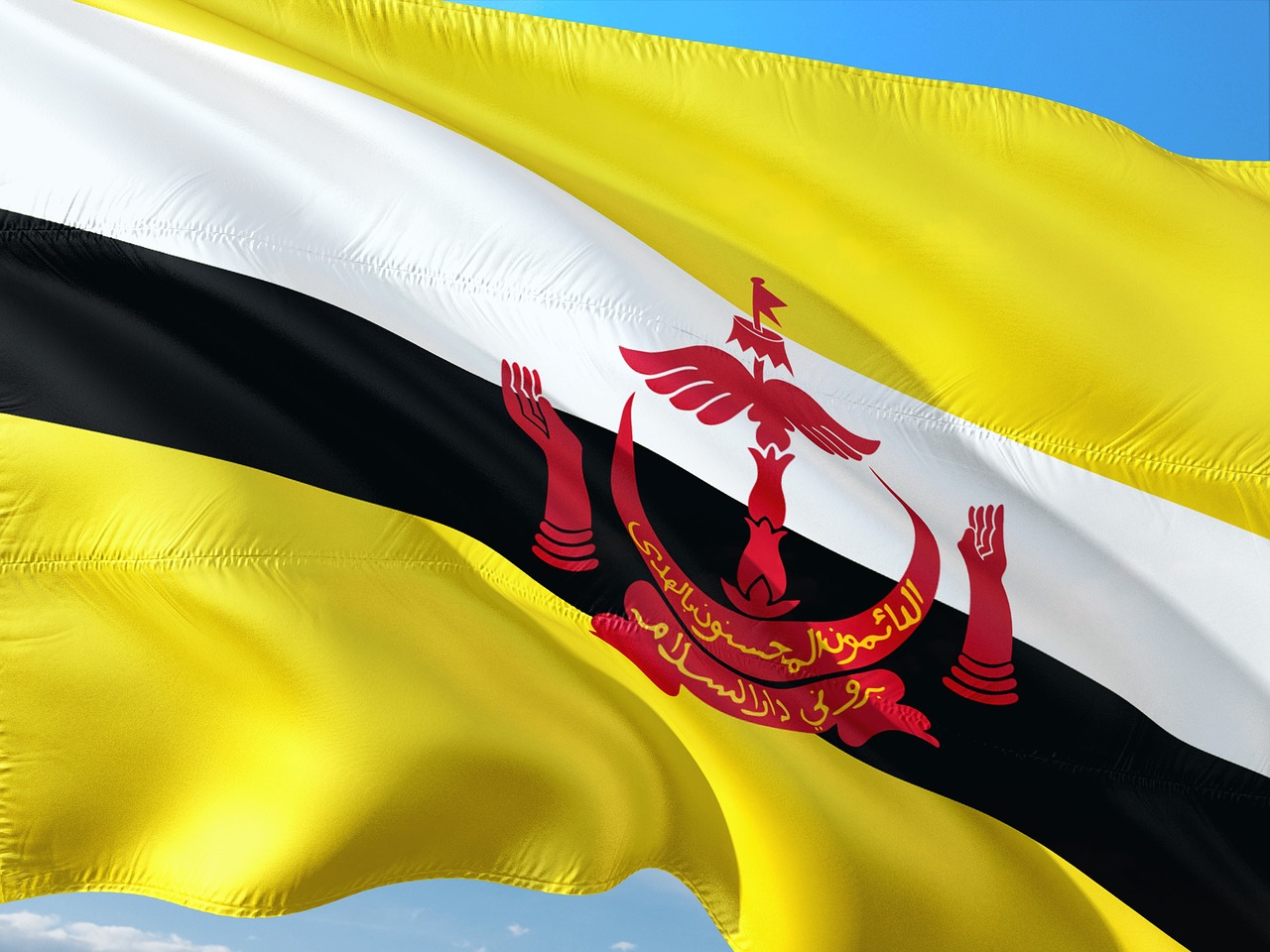
The UK government has updated its travel advice for its LGBT citizens planning to take a trip to Brunei following on from the introduction of the death penalty for homosexual acts.
The UK’s Foreign and Commonwealth Office (FOC) has updated its travel advice to LGBT+ people planning to travel to Brunei – after legislation recently changed in the nation, which affects LGBT+ people.
Brunei has now adopted a law which allows for the death penalty, death by stoning, to be used on men who are found having same-sex sexual relations with each other.
The UK Government’s advice warns travellers, “Homosexual activity is illegal” and warns travellers to “find out about the local laws and customs of the country and area you’re visiting.
“In some countries, homosexuality and/or homosexual relations are illegal and can be subject to severe penalties”.
The office also suggest, “invest in a good guide book – many specialise in advice to LGBT travellers”
Not all laws or punishments will affect non-Muslims in the region.
The adoption of sharia-based laws in the Muslim majority country means that Muslims found guilty of engaging in gay sex will be stoned to death, those who are not Muslim may receive lengthy prison sentences. The law also means that anyone found guilty of committing adultery or trying to denounce Islam or insulting the Prophet Muhammad will also be dealt with the death penalty.
Those found guilty of theft will have their hands amputated. Not all laws or punishments will affect non-Muslims in the region.
There are 21 MPs who voted against adding LGBT+ relationship education in schools.
MPs recently, overwhelmingly voted on new guidance that would mean that British schools would have to provide compulsory relationship and sex education that includes LGBT+ relationships for all children in state schools. It’s the first time the guidance has been updated since 2000.
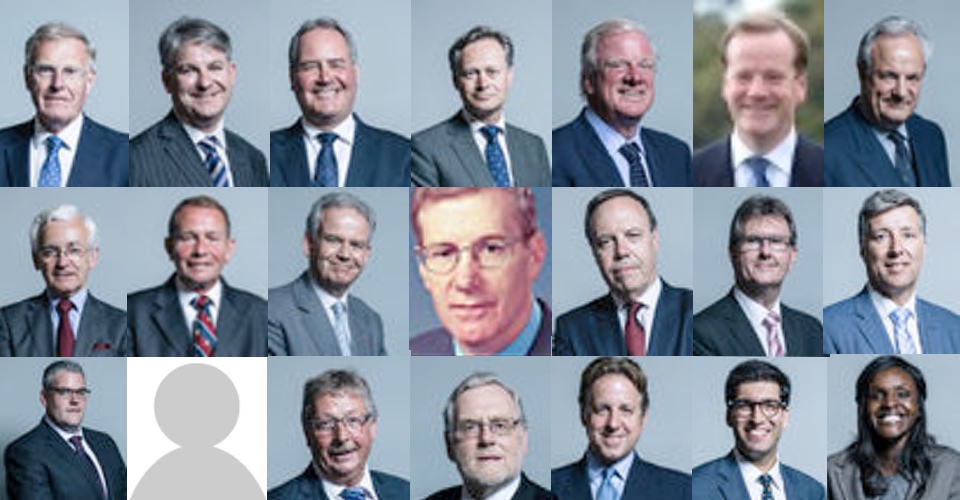
There were 21 MPs who voted against the measure. Of the 21 MPs, who voted against introducing LGBT+ relationship inclusivity 12 were Conservative, 7 were DUP, 1 Labour and 1 Independent.
The 12 Tory MPs are: Bob Blackman (Harrow East), Charlie Elphicke (Dover), Sir Christopher Chope (Christchurch), Sir Edward Leigh (Gainsborough), James Gray (North Wiltshire), Julian Lewis (New Forest East) Matthew Offord (Hendon), Marcus Fysh (Yeovil), Martin Vickers (Cleethorpes), Philip Davies (Shipley), Philip Hollobone (Kettering) and Ranil Jayawardena (North East Hampshire).
All 10 of these MPs also voted against gay marriage in 2013. Some, who have been in office long enough also voted in favour of Section 28 back in 1988, including, Chope and Leigh.
The 7 DUP MPs were Gavin Robinson (Belfast East), Gregory Campbell (East Londonderry), Sir Jeffrey Donaldson (Lagan Valley), Jim Shannon (Strangford), Nigel Dodds (Belfast North), Paul Girvan (South Antrim), and Sammy Wilson (East Antrim).
The Labour MP was John Spellar (Warley).
The independent MP was Fiona Onasanya, who was formerly a Labour MP but was expelled from the party after she served a prison sentence for perverting the course of justice, in January.
Section 28 was introduced by the Conservative government in 1988. When was it repeal and why was it introduced?
(C) BIGSTOCK
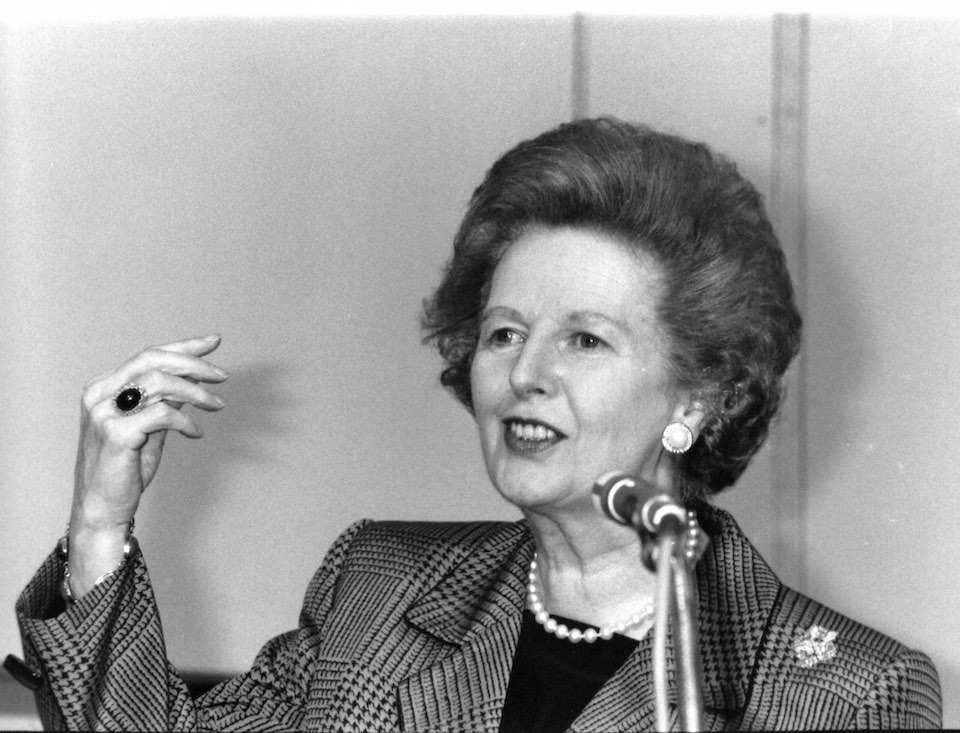
Teachers who taught in schools during the late 1980s and 1990s were unable to teach or speak on issues of homosexuality because of Section 28 of the Local Government Act in England – a piece of legislation introduced by the Conservative government under Prime Minister Margaret Thatcher, in 1988 banning the “promotion” of homosexuality in schools – according to new research published in the journal Sex Education.
In Scotland, similar legalisation was introduced called Section 2A.
It was introduced under the leadership of Margaret Thatcher’s Conservative government. The legislation was introduced partly as a reaction to a 1986 children’s book called Jenny Lives with Eric and Martin, which depicted the life of a child with two gay fathers. Controversy about the availability of the book in some schools in London led to the passing of Section 28.
It was repealed in 2003 under the leadership of Prime Minister Tony Blair and his Labour government, but during the time of its enforcement, many LGBT+ teachers felt it prohibited them being open about their own sexual identity in the workplace.
Section 2A was repealed by the Scottish government in the year 2000 and was one of the first pieces of policy enacted by a devolved Scottish government. The rest of the UK would have to wait another three years before the anti-gay clause was removed from the law books.