Author: Stuart M Bird

  • CAR REVIEW |  Honda CR-V, 2019

    CAR REVIEW | Honda CR-V, 2019

    ★★★★☆ | Honda CR-V

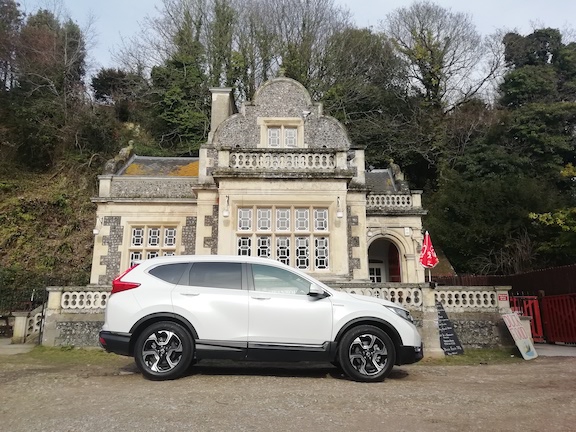
    Hot on the heels of every manufacturer it would seem these days, Honda has released a new SUV. Not so totally new because the CR-V has been a staple part of Honda’s UK line-up for many decades.

    Here, however, Honda is showcasing their new petrol and more importantly, a hybrid drive system. Again, nothing new from Honda except this time it is fitted into their large SUV.

    The CR-V demonstrates two things, Class-leading space and an increase in size. All common factors with a new launch. 2 things, however, do stand out and that is space inside is very much on the generous side and the overall feel of the car is not so large that it feels like a nuisance to drive on narrow country lanes.

    THEGAYUK tried two models back-to-back. Both front wheel drive but with two different powertrains. Firstly the hybrid with a CVT gearbox and a petrol manual.

    Between the two models, one thing is very evident between the two models and that’s the ride. The all petrol drove better. It was softer, compliant and more engaging to drive. No doubt this is due to the lack of excess weight in the rear from the hybrid system. Another is silent running. While the petrol could be raucous when pressed, the hybrid with its near silent electric motors became all too familiar in whine from the CVT gearbox. 

    The CVT is not to my liking and I was a bit disappointed. Honda’s press release mentioned a unique intelligent Multi-Mode Drive (i-MMD) with clutch lockup between petrol and drivetrain when in engine mode. It still behaved like a conventional CVT system and the paddle shifts on the steering wheel didn’t make much of a difference except when it ‘sport’ mode. On the plus side, its transition between battery, petrol or both was seamless.

    Combined economy varied between power units. 53.3mpg for the Hybrid and 44.8mpg for the all petrol. That seemed a lot for the petrol to achieve, despite its lighter agile feel and the hybrid also struggled to achieve those figures. But there are 2 things standing in the way. Review cars are hardly driven softly and combined figures are not those in the real world. However, we did see a constant 45+ mpg in the Hybrid. So the penalty for that heavy feel looks like it could be offset by less time at the pumps.  

    There were other good points to be seen in these SR mid-range models and that is in its fit and finish. There was a lot to like. General tactility was top class with soft feel where you expected it to be hard plastic. The wooden effect inserts, however, were not universally liked but I liked them. The effect is pretty good. It’s not luxury wood but then at £31,565 for the Hybrid and £31,435 for the petrol, neither is the price. 

    And this is the key to the CR-V. It’s price. In this segment, the CR-V SR offers a lot of car for the money, it’s just at the moment I am struggling to justify to myself that the hybrid is better. If it was my money I’d go for the all petrol. 

    Love

    Looks

    Quality inside

    Value

    Loathe

    CVT gearbox

    Rear doors lack sound deadening

    Less agile feel in the hybrid model

    The Lowdown

    Car –  Honda CR-V SR petrol/hybrid models

    Price – £ £31,435 / £31,565 (as tested)

    MPG – 44.8/53.3 mpg (combined)

    0-62mph –  9.3/8.8 seconds

    Top Speed –  130/112 mph

    Co2 – 143/126 (g/km)
  • The Good, The bad and the Ugly. Toyota Yaris 1999 – 2005

    The Good, The bad and the Ugly. Toyota Yaris 1999 – 2005

    The Good, The Bad and the Ugly.

    Embed from Getty Images

    An irrelevant look at a certain car.

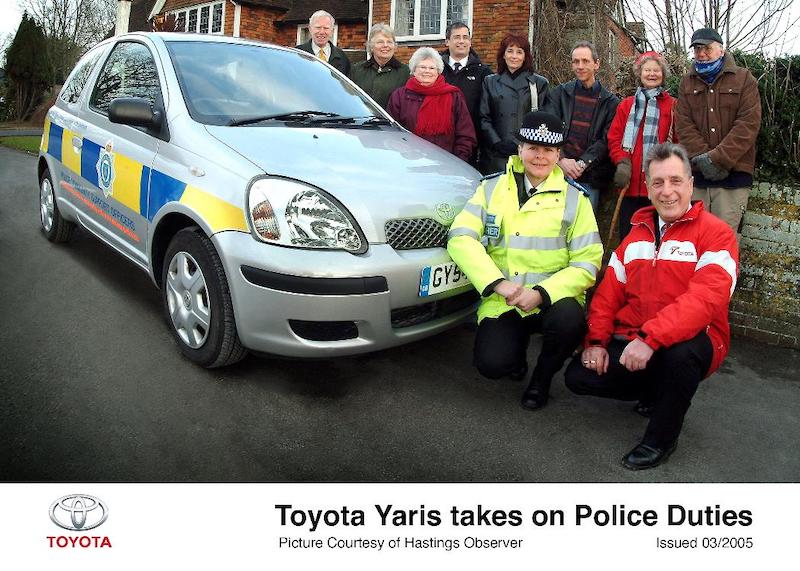
    The Toyota Yaris 1999 – 2005

    The Toyota Yaris, the Greek goddesses of charm and beauty. Well not quite. According to Wikipedia, “Yaris” is derived from “Charis”, the singular for Charites. And this thankfully is as complicated as Toyota’s little toaster on wheels gets.

    Her beauty didn’t last long because you might have noticed that almost ALL Yaris’s have a dented panel below the rear bumper. You do wonder if they actually came from the factory like that.

    OK, I’m being unfair and what I am about to write pretty much gives the game away. The Yaris isn’t a bad car. And despite its oddball looks, it’s not ugly either. Here is a car that was miles away from the dull forgettable Starlet that it replaced. You might want to Google “Starlet” because you would have forgotten what it looked like by now.

    Walk around the Yaris and you’ll greet its cutesy looks with affection. Its rounded face and slabby sides were in keeping with the populous of the time in that we were all getting a bit portly. What we needed was to walk more. What you needed was a car that broke down.

    Embed from Getty Images

    The Yaris didn’t break down. You just couldn’t stop the bloody things. So reliable were they, that they won customer satisfaction awards all over the place. Here was a city car that didn’t cost much to buy, cost even less to run and could be abused like no other car. If ever there was a car that made the manufacture absolutely no money in after sales, here it is.

    Getting inside was a doodle too. Big wide doors on the 3 door, or slightly smaller doors on the 5 door, opened up the grey cabin. The driving position was high too. It gave good visuals and speaking of visuals, it also came with a far-out digital pod, slap-bang in the middle of the dashboard. This was a revelation. Digital displays were still alienating customers, others had tried and failed. Toyota gave a 2 finger salute and shoved it in there. It worked. It was crystal clear. You couldn’t wish for anything better.

    Embed from Getty Images

    And the ride wasn’t that bad either for a shopping cart. It all worked well. So you would expect this to be a massive sales flop. A little Toyota with a high driving position that’s easy to get into, surely only the granny brigade bought these. Absolutely not. It was universally approved by all.  

    There is no escaping it, the Yaris is a good car. 

  • Ford: Spending some time with the old gang

    Ford: Spending some time with the old gang

    Heritage is Everything

    THEGAYUK were invited to visit Ford UK’s heritage centre to check out the delights that lay hidden in Dagenham. Finally, the threat of a visit with Charlotte was finalised and l had the pleasure of spending a few hours at the site with the very informative Ivan who oversees the repairs and restorations of the cars.

    Classic cars account for quite a big market in the UK and the world. Indeed you only need to look at the latest car shows to see old bangers being given new leases of life buy some mechanics that to be quite honest are as much of the eye candy on screen as the cars are. I’ll spare their blushes, however, there are three that l professionally stalk on Twitter.   

    It was quite strange driving around the Dagenham site. The place isn’t what it once was with car manufacturing sadly being undertaken elsewhere but you get lost in a vast size of the site, the dreams that were made at Ford, the labour upheavals and who could forget the 1968 strike by the ladies of the sewing room who made the seat covers. Apparently, Vera Sime, Dora Challingsworth and the ladies were quite a handful but their strike action resulted in the Equal Pay Act of 1970.

    So to Ford UK, I go to check out their shed of dreams. I don’t mean to be rude when l call it a shed, the standing joke is that it is just that, found on the outskirts of the Dagenham site. I’d heard about the shed before and only seen pictures of what it was like. Entering the shed took me right back to the ’80s with an Mk2 Fiesta that greets you at the door.

    You then walk around the corner and there are the dreams Ford wished upon you back in the day. It was like looking into a box of Quality Street, all these gems hidden under plastic covers. It’s a sight to be seen and despite there being almost every Ford l grew up with being there, this is only a small part of the show. 

    It was interesting to see The Focus in almost all its generations being tickled with the polish ready for shipping to Germany for the launch of the new 4th generation Focus. Ford Germany don’t have what we have in the UK you might be surprised to know.

    Ivan and his team were more than happy to explain what was going on and despite the backing by the FoMoCo, they too also suffer from what every classic car fan does and that’s lack of available parts. You would have thought Ford could just make them up again, sadly that isn’t the case. 

    Thankfully for Ivan and his team, there is Burton Ford who specialise in Ford replacement parts and a good network globally that can help. And that’s what it all comes down to, enthusiasm and a support network. And it’s that network that has helped Ford GB create an enviable array of its past history and a part that I hope to enjoy over the next year.

    Trouble is, what do I want to savour first?  

    Many thanks to corporate affairs manager, Charlotte Ward and Ivan for the invite and time given.

  • The Good, The Bad and the Ugly: Volkswagen Polo 2002 – 2009

    The Good, The Bad and the Ugly: Volkswagen Polo 2002 – 2009

    The Good, The Bad and the Ugly: VW Polo

    An irrelevant look at a certain car.

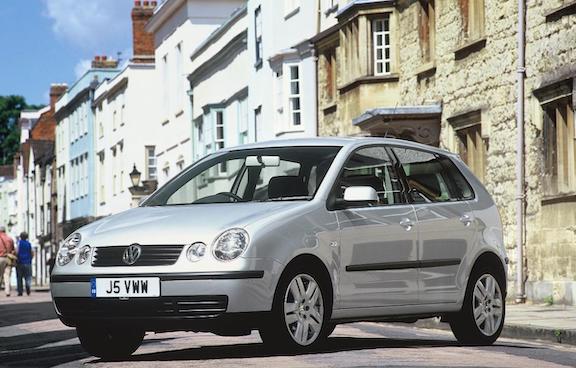
    Volkswagen Polo 2002 – 2009

    VW’s Polo has just reached its Mk 6 status and the little Polo has gone from strength to strength, once being the smallest and cheapest way into VW. And then Polo became a proper VW and a new smaller car was available, thus pushing Polo to another stratosphere in VW ownership. It’s all gone well for Polo except.

    Back in 2002, the MK 4 Polo arrived. It was ALL NEW, all sparkly and dull as ditch water. Changing the front indicator was probably as exciting as it could get.

    It wasn’t a bad car, it didn’t necessarily achieve great showroom appeal, but it did sell in vast numbers with most being painted silver. The new colour for the millennium so I am lead to believe. And the Polo did what you needed it to be. It was a small car with large dimensions in as much as it just got fat as was typical of VW’s ethos back then. 

    Polo was well built. It carried the VW traditions quite well. Wasn’t know for falling apart, could take some serious bodily abuse and never see a welders torch. It was what Polo customers wanted. A quality car that stood for something even if it was lacking in entertainment on almost every level. You could also fool people by replacing the VW badge with one from Mercedes because it did look a little like the 2000 – 2007 Merc W203. 

    Sadly, the looks of Polo didn’t really change between model to model. To be honest, you’d have to do more than squint to spot the mild fire breathing 100PS 16v over the more humdrum three cylinder 1.2 with about half the power.

    And it’s this 1.2 engine that brings me here. The little 3 pot petrol was quite energetic in its power propulsion method and didn’t leave you with a strange feeling like that of sitting on a washing machine with a brick in it. It was quite smooth and liked revs. However, It was a ruddy awful engine and not one that I would, in its advancing years, recommend. EVER.

    Piston slap and burnt out exhaust valves are the main culprit and not always on engines with high mileages either. To get the good economy it ran weak and lean. The leaner they run, the hotter they get. The hotter they get, the likelihood is burnt broken bits. Find a Polo running rough and chances are it won’t be a coil pack for £20. It’ll be a new head for £700.

    The Polo 1.2, not a good car. Run for the hills, it’s that bad!  

  • The Good, The Bad and the Ugly. Ford Ka

    The Good, The Bad and the Ugly. Ford Ka

    The Good, The Bad and the Ugly – Ford Ka

    An irrelevant look at a certain car.

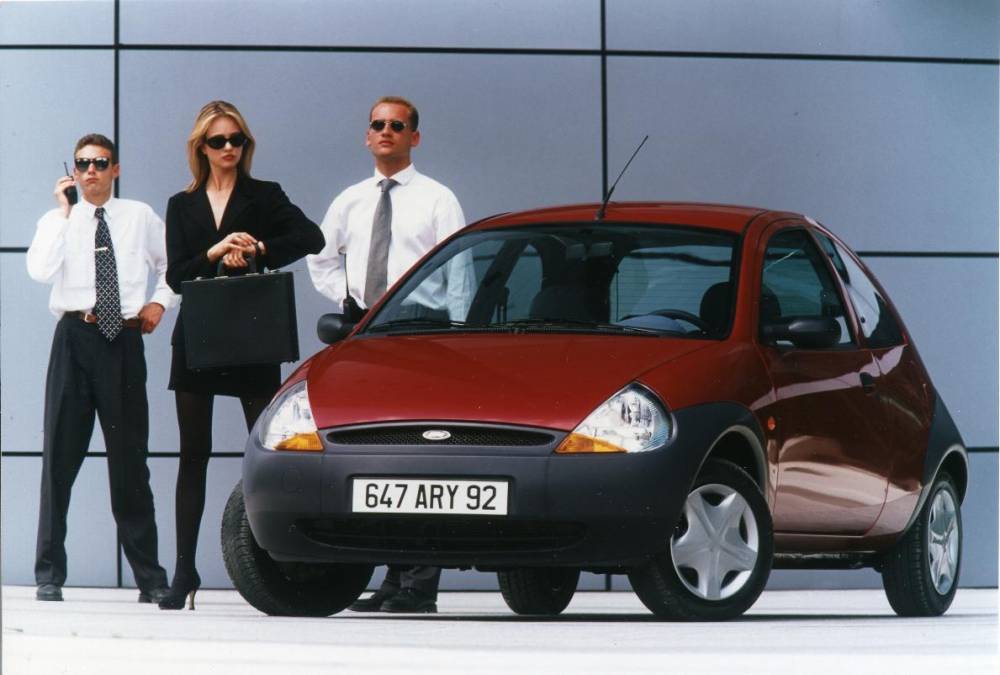
    Ford Ka 1996 – 2008

    If ever there was a small car that outstayed its welcome, it was the Ford Ka. K A or Ka which was probably short for khazi, was another word for toilet. 

    OK, so I might have been a bit mean to Ford’s city hopeful because when launched, it really wasn’t that bad. Oh hell, we all loved it and it sold in the millions. Ford made a lot of money from it.

    Handling of the little chunkster was quite entertaining too. It had the ability to be thrown around the streets with aplomb, helped greatly by Issigonis’s design philosophy of having a wheel at each corner. He was, in case you didn’t know, the father of the great Austin Mini. 

    Fitted with a decrepit old petrol engine in a youth hating 1.3cc capacity, meant that the young struggled to get insured on them for a reasonable price and this meant that many of them didn’t end up in ditches. The leisurely performance of the first generation models also contributed to this. It was vile. The 1.3 Endura engine that followed at least allowed for the cars handling to be more enjoyed easily. 

    That aside, the Ka was quite cute in its first incarnation. It was a hit with everyone. For three brief years later in its career, you could even get one with 2 seats, a fabric roof and to top it off, it was endorsed by queen Kylie Minogue. You couldn’t get much cuter or gayer if you tried. 

    That cuteness also had a plus side. Fitted with massive bits of plastic, it effectively made it a city dodgem. You could drive it at shopping trolleys, walls and even other cars and you still wouldn’t damage the plastic. It was special plastic. Overly engineered They contained a substance to prevent damage from UV rays. They literally outlive the car. Anyway, all this added to never needing to worry about the paintwork.

    What you did need to worry about however was the rear end dissolving quicker than an Alka-seltzer and just as noisy too. With the newest ones available being 10 years old, chances are the rear wheel arches would have let go and front sub-frame mounting areas rapidly following suit. 

    As a secondhand proposition, they really are bloody awful now. Rust is the main killer of many followed by those pesky young kids finally getting them and driving them into trees. 

    Trouble is, they are entertaining to drive. Give good mileage to a drop of petrol and they are easy to both fix and bodge or both and for that alone, I’m saying it’s a good car. If you can find one that is. 


    YOUR SUPPORT MEANS EVERYTHING

    Help us deliver unique, usable and reliable journalism that supports the gay, bisexual and curious community of the United Kingdom. Can you help protect LGBT+ media? Publishers like us have come under severe threat by the likes of Google and Facebook. The problem is that advertisers are choosing to put their money with them, rather than with niche publishers like us. Our goal is to eliminate banner ads altogether on site and we can do that if you could pledge us a tiny amount each month.

    We’re asking our readers to pledge just £1 per month, more if you’re feeling swanky. You can stop payment at any time.

    It’s quick and easy to sign up and you’ll only have to do it once.

    Click to start the journey and support THEGAYUK!

  • CAR REVIEW | Jaguar XE R-Sport, 2019

    CAR REVIEW | Jaguar XE R-Sport, 2019

    ★★★★| Jaguar XE R-Sport

    Small Cat with BIG claws

    Jaguar XE R-Sport, 2019 reviewed
    (C) STUART M BIRD

    What Have We Got?

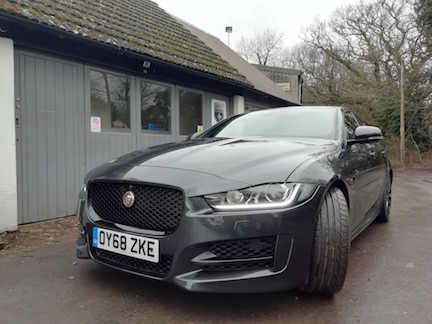
    Here we enter the world of Jaguar with their smallest and cheapest offering. Prices start from £34,315 or £37,065 for the R-Sport model that we have for reviewing this week. On paper and showroom appeal, it all looks good, but does the reasonably low price detract from what is in essence, a premium car? In other words, have corners been cut? 

    Driving

    I am astounded by the XE. The petrol powered 250PS Ingenium is evenly matched to the 8 speed automatic. Throttle response is mildly lagging for a brief moment but that’s only because its throttle is set for snap-happy inputs. Default at low legal speeds around 20-45mph seems to be to drop it into second and sling-shot you down the road. 

    It works but can be a bit tiring. That said, it’s the R-Sport model so it does exactly what it says in the badging.

    The other thing the XE does is handle with a surprising amount of composure. Having a near 50:50 split weight distribution contributes to the sure-footedness of the chassis and its handling characteristics. Double wishbone front and multi-link rear keep everything in check. It’s a wonder why they fit adaptive dampers to it when that setting does have a tendency to ruin the near perfect ride. 

    The only downside is the traction control system thwarts good fun progress. You have to be really stupid to unstick it when switched off, even in the wet. 


    Inside

    (C) STUART M BIRD

    The downside to its size is rear seat accommodation is on the tight side, more so for height. Legroom is reasonably good though.

    Choices for interior ambience allow for colour changes within the dashboard and doors and it all goes to make for a pleasant cabin. 

    Some of the plastic quality lacks tactility but feels hard wearing and sturdy. The important bits that you need to touch do have a nice fit, finish and feel to them.


    Living With It

    (C) STUART M BIRD

    It’s easy to live with. The handling alone makes this an absolute riot to drive should you wish too. 

    All the controls are the usual Jaguar mix from across the ranges with a reassuring clunky feel and if you like a mix of buttons and touch screen controls, this interior is for you.

    One thing is apparent, you notice it at night at night time. There is no boot light! 

    The Verdict

    There is a lot to like about the XE and l fear people walk past it to buy the German equivalents. From where I am sitting today, I pity those people. There is no scrimping in the XE’s refinement and its handling is beautifully poised.

    I’ve come away with a regret, a personal regret for dismissing the smaller Jaguar myself. That’s my own fault and I can highly recommend them. Make me happy and pop it on your shopping list. You will not be disappointed. 

    Love

    Handling

    Agility

    Price

    Loathe

    Below average rear seat accommodation

    Overly sensitive traction control

    No boot light

    The Lowdown

    Car –  Jaguar XE R-Sport 2.0 250PS auto

    Price – £ 46,000 (as tested with options)

    MPG – 39.8 mpg (combined)

    Power – 260ps 

    0-62mph –  6.2 seconds

    Top Speed –  155 mph

    Co2 – 165 (g/km)

  • CAR REVIEW | Volvo V60, 2019

    CAR REVIEW | Volvo V60, 2019

    ★★★★☆ | Volvo V60

    V is for Versatile

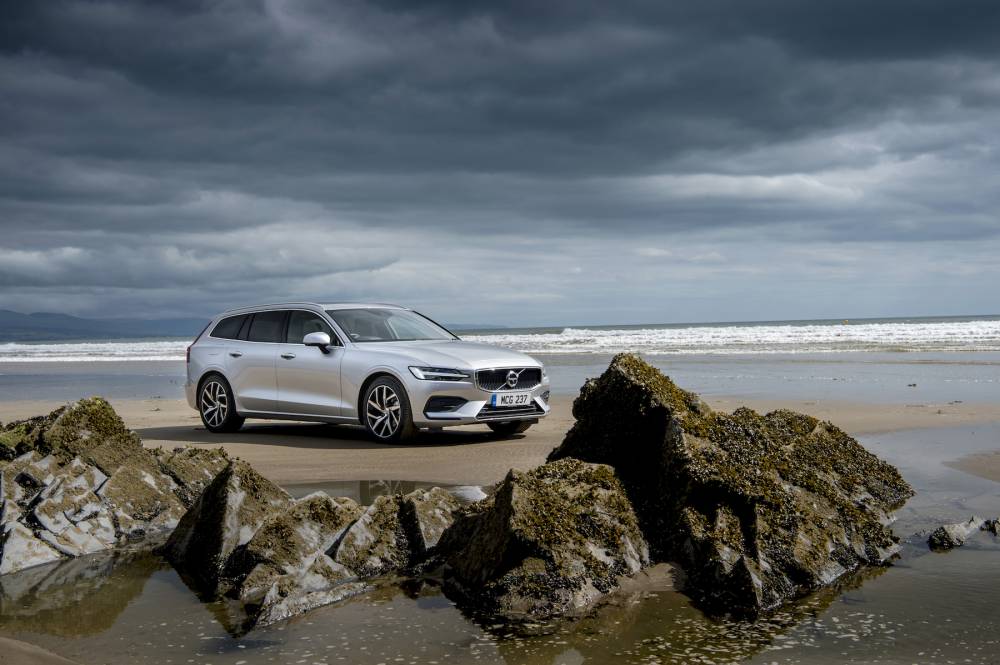
    Volvo life starts with the family. This is reflected in the advert for Volvo’s new V60 estate car. When they say ‘family” they mean ALL the family. Volvo is out there to show their support not just for the changes in the heterosexual family dynamic but also the new evolution in the family within the LGBTQ and culturally diverse communities.

    There is a lot going on at Volvo at the moment and the Swedish company are not resting on their laurels of strong build and sturdy cars. Recently, Volvo has been seen to getting involved in global causes but that’s all for another day, for we at TGUK were invited to the launch of the new V60.

    New Wagon

    It feels strange and yet refreshing to see a new estate car being launched when the market is bulging with SUV’s and crossovers that everyone apparently wants. Volvo themselves are no strangers to the SUV market with 3 models available. 

    Now an estate from Volvo isn’t new and the company have a strong reputation built on practical estate cars, so is the new V60 with its low slung body actually any good? News just in is that for boot space alone the V60 is a class leader with 529 to 1441 litres of space and a flat floor with minimal intrusion. I’ll admit that the height does seem a little low though this is more to do with the cars sleek elegant lines.


    Driving

    We tried 2 models, both identical D4 diesel models with 190hp of available power. What differed with these 2 models was the range spec but more importantly, the gearboxes. 

    While the automatic changed smoothly up and down and almost unobtrusively, its inherent setting was economy and emissions so it would always be in a higher gear, making the engine just a little less responsive to throttle inputs. 

    The manual model was something else. Precise selection of gears and an easy to control clutch pedal, not to light to be feel-less but also not heavy to be an annoyance in traffic made for a much more spirited drivers car. I like my autos, but I’d have to ask myself what sort of driver I would be most of the time.   

    Inside

    And that question gets answered inside. With four different trim levels, they alter so much of the inside. Racy and purposeful is what you get with the R-Design. It’s all silver inlays and black trim. The inscription is designed like a lounge. It’s calming and comfortable. And this is where the different gearboxes alter your mood in the car. 

    All this comes with what can only be described as Volvo’s legendary build quality. 

    Living with it

    I had another chance to try the V60. After the UK launch, there was so much more that I wanted to know. I had it in my head that it was good. Anthony French-Constant and I blasted one around an agility test of both driver and machine and we won. Albeit only beaten by Volvo UK by one second though we suspect favourable timings on the stop watch (possibly) All that excitement aside, was it as good as I remembered?

    Yes is the answer. At a recent range review, it quickly became apparent just how good it was and it needs to be. This size and model or car is quickly becoming extinct and that’s a shame. No SUV can match this for its all-round appeal of driver involvement and comfort.    

    The Lowdown

    Car –  Volvo V60

    Price –  From £31,810 

    MPG – 40.9mpg (petrol) – 64.2mpg (diesel) (combined)

    *Power – 150hp – 250hp

    *0-62mph  6.7 – 9.9 seconds

    *Co2 – 157 – 117 (g/km)

    * Petrol/diesel 

  • CAR REVIEW | Volvo XC90 T8, 2019

    CAR REVIEW | Volvo XC90 T8, 2019

    ★★★★★ | Volvo XC90, Volvo’s Grand Tourer

    What Have We Got?

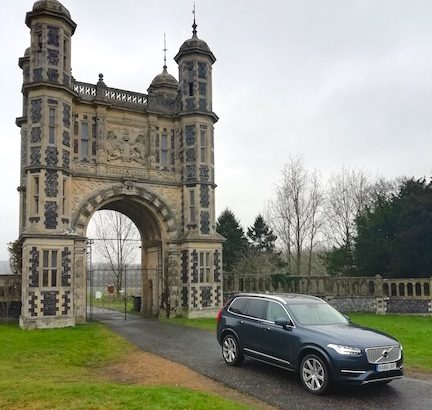
    Here we have Volvo’s very grand-lux, top of the range SUV in hybrid form. A vast car that is pitted against rivals from Audi, Mercedes and Range Rover. No easy task in this company of loyal devotees to try and woo your way. So is the XC90 T8 Inscription any good? 

    Driving

    There really isn’t much to shout about here and tell you that you need to drive it a certain way. It behaves in the normal way a car would be it, petrol or hybrid. 

    Except it doesn’t. You can motor quite well on battery power fed via the 87hp motors fitted to the rear wheels or thunder past people using the 2-litre 303hp petrol engine. And when l say ‘thunder’, I really do mean it. 0-60 is a disrespectful 5.5 seconds! This is a Volvo with green hybrid credentials. Surely this isn’t true. Wrong. It’s very true. 

    And added to that phenomenal blend of speed and power, comes 21” alloys shod with 275/40 section tyres. Fitted with air ride, you would be forgiven for thinking it had more tyre wall. That’s certainly true for all rides except “dynamic”. This is where the vehicle drops by 20mm and stiffens the ride. It’s not unpleasant, but it certainly detracts from the sumptuousness of what the XC90 Inscription Pro is all about. It’s an area that Volvo is yet to master if I am honest.

    One area this does excel in is the automatic gearbox cog selection. It always seemed to be in the right gear and throttle responses were both rapid and direct and that’s what I like. 


    Inside

    Interiors have always been a Volvo selling point and that sumptuousness that I just mentioned is found here turned to the max. The Inscription Pro package gives you blond leather and walnut inlays. Add to this, some of the finest door architecture with simple soft white lighting, it lifts the interior regardless of how bad it might be outside. 

    There is also 7 seats available, but the rear two, though keenly catered for with cubby holes and cup holder, it is a tight squeeze for tall people. And getting in and out is really only for the athletically loose and athletically strong in pushing the middle seat back. 

    Living With It

    I get it, I get what the plug-in hybrid XC90 is all about. I was sceptical about Volvo’s claim of almost 109mpg. In the real world this isn’t really achievable or so I thought. My real work commute is 24 miles. The hybrid battery will carry it for 21 miles. Through the power of maths and the engine that, according to the display, will return 30mpg, I can manage that figure. It works out that a tank of fuel with a recharge and home and work, I won’t see a fuel station for at least 11 weeks. That’s around 5 tanks of petrol over the year. 

    It won’t quite work that way though. I had to take a journey into Kent with a 104-mile round trip. Along with some other menial work, the XC went back with half a tank of fuel. Now if I’m honest, I have never sent back a press car with so much fuel still in it. So now you can see why I buy into this plug-in hybrid system.

    The Verdict

    There is a lot to like about the XC90 Inscription T8 and very little to dislike. My only real gripe was a finickity switch for the sunroof/blind. I couldn’t master its ways. 

    What I could master was the benefits of this twin-engine (as Volvo call it) hybrid. Together with what is now becoming a legendary interior design and a place for well being, I can’t really find much fault and though the asking price for this is up there with its competitors, it is worth EVERY penny.  

    Love

    Economy (for the right people)

    Interior architecture 

    Speed

    Loathe

    Finickity roof blind/sunroof switch

    Rearmost seat access

    No real hybrid charge on the move

    The Lowdown

    Car –  Volvo XC90 T8 Twin Engine AWD Inscription Pro

    Price – £ 79,010 (as tested)

    MPG – 108.6mpg (combined) 30.2mpg (on dashboard display)

    Power – 303hp (petrol engine) 87hp (electric motor)

    0-62mph – 5.8 seconds

    Top Speed – 140 mph

    Co2 – 63 (g/km)

  • The Good, The Bad and the Ugly: Ford Fusion

    The Good, The Bad and the Ugly: Ford Fusion

    The Good, The Bad and the Ugly.

    An irrelevant look at a certain car.

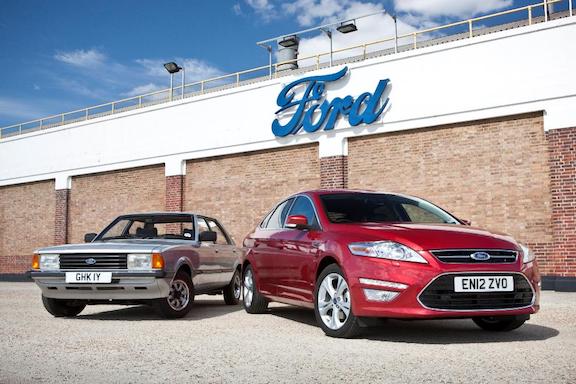
    Ford Fusion. 2002 – 2012

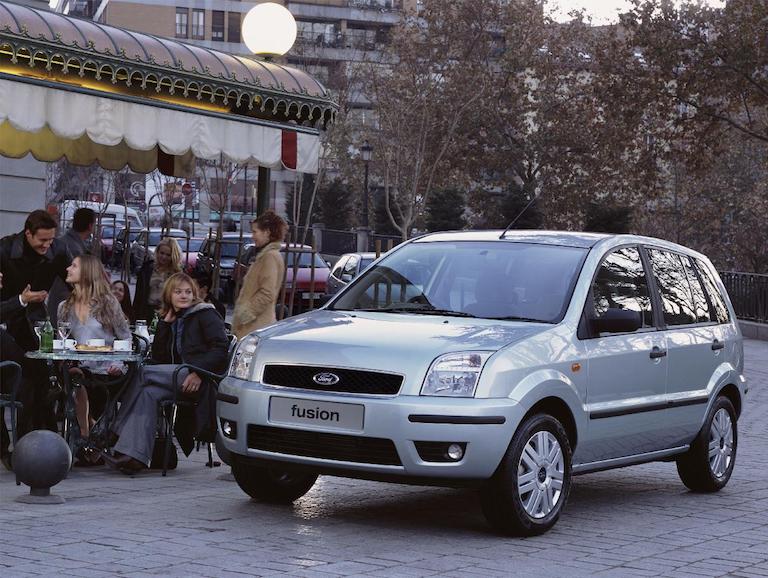
    Here is a car that might have slipped you by. Indeed, you might even have one drive past you later and to be honest, you probably wouldn’t even notice it. But that’s ok. Despite being an award-winning car, Richard Hammond voted it ‘Most Pointless Car’, It’s a car fit for the introvert or a bank robber. It’s a no-frills form of carry-all and its key to success (because it’s a Ford and would have sold in largish numbers) is that it was as simple as a wheelbarrow and just as useful.

    My MOT tester has one. He’s a man of thrifty means when it comes to spending money on his ‘Fuew’. That reads as a total skinflint. He doesn’t regard his car with much love. It goes from A to B and he has pondered how anyone at Ford HQ said “yep, that’s the design, it’s gorgeous, let’s get it built”

    A friend of mine was in the market for a small car. They bought a car. It was a pile of crap. I found them a Fusion that was known to us. They bought it and he has commented that there is a “Fusion camaraderie” out there so I better watch what I say. Anyway, he and the other half love it.

    So what is it? It’s an Mk5 Fiesta with a box on the back. The Fiesta it was based on was killed off in 2008. Fusion soldiered on for another 4 years. It wasn’t Ford’s best Fiesta effort. The ride could only be described as mediocre at best and the controls work in a cold way that made the car function with the grace of an arthritic hand trying to use the self serve screens at MacDonalds.

    It wasn’t very good. That said, for a utilitarian car based on trusted mechanicals and with extra load space due to its estate car box design, it came with a host of goodies. And these for the time were exceptional. It needed something, it was devoid of looks. Voice recognition, heated front screen, some other bits I care not to care about and a dashboard that had what can only be described as a coffee bean pattern.

    Does it go wrong? Not really. They really are quite robust little boxes. Instrument clusters will eventually fail but this is a common fault across Ford of this generation and the occasional ABS pump might give up. A simple rebuild will fix this. And the engine, while not thrilling in any way, will at least offer some longevity even when it starts rattling around with a bit of piston slap.

    But those looks. The looks only a mother could love and as I’m no mother and have zero maternity instinct, I’m going with “it’s an ugly car”


    YOUR SUPPORT MEANS EVERYTHING

    Help us deliver unique, usable and reliable journalism that supports the gay, bisexual and curious community of the United Kingdom. Can you help protect LGBT+ media? Publishers like us have come under severe threat by the likes of Google and Facebook. The problem is that advertisers are choosing to put their money with them, rather than with niche publishers like us. Our goal is to eliminate banner ads altogether on site and we can do that if you could pledge us a tiny amount each month.

    We’re asking our readers to pledge just £1 per month, more if you’re feeling swanky. You can stop payment at any time.

    It’s quick and easy to sign up and you’ll only have to do it once.

    Click to start the journey and support THEGAYUK!

  • The Good, The Bad and the Ugly: Fiat Doblo

    The Good, The Bad and the Ugly: Fiat Doblo

    The Good, The Bad and the Ugly.

    An Irrelevant look at a certain car.

    Fiat Doblo. 2005-2009

    What’s boxy, rather wild on the limit, has to be driven enthusiastically and comes from Italy?

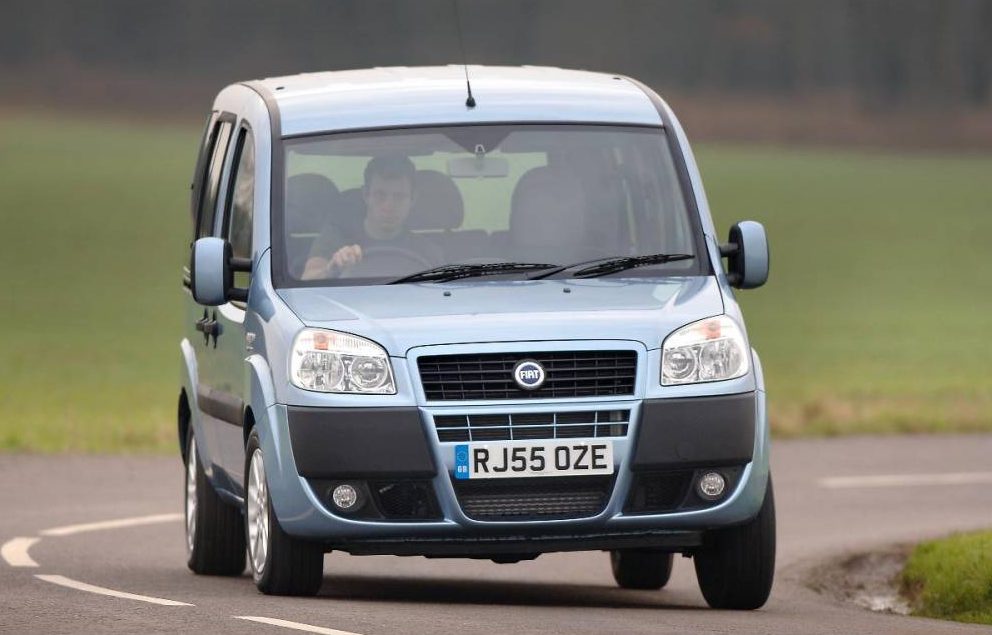
    No, not an Abarth something or other, we are talking about the Fiat Doblo van. A van that, despite its looks, won the 2006 “International Van of the Year” Admittedly that award came some six years after its launch with a facelift and like the Doblo, it’s a grower, not a shower, so eventually it gets there. 

    Shame about the facelift really because the 2000-2005 model had quite a nice purpose built front to it. And model maker Norev thought so too and made a nice 1/24th scale model of it that until recently, you could buy from Home Bargains for just £2.99 Probably not one of Norev’s greatest achievements because their models often retail for around six times that price.

    And so to the real van, and what a van and how very Fiat with some of Fiat’s idiosyncrasies missing. Namely, the rubbery gearshift that afflicted Fiats for so long. The gear shift in the Doblo, mounted high up on the dashboard, was within a flick from the steering wheel and selected gears as good as any race-bred machine from sister company, down the road in Maranello.

    And things got better with the engine. The lively FIRE (Fully Integrated Robotised Engine) 1.4 petrol was an absolute peach. It developed 76hp and my word, it feels like it has more. It’s 5 star award is its eagerness to please like a dog that has just thrown up your dinner that it stole from the coffee table. 

    And then things get even better for Dobby the Doblo. The handling is quite remarkable and highly entertaining, boarding on crazy, dangerous and downright outrageously good fun. You see, the rear end has a solid axle, suspended with some of those old fashioned leaf springs. What it would appear had been forgotten by the development team, was to soften it for the passenger carrying variety of the Doblo. Instead, it retained the stiff setup from the van. It made it highly entertaining.

    The bad thing about the Doblo, though thankfully still keeping with Fiat tradition, was the driving position. It’s not so much a position but a torture, especially for your ankles. Thankfully, your feet don’t rest for too long so they are always moving around. That enthusiastic buzz getting the better of you. 

    It’s no sports car and yet it thinks it is. And with that facelift, it moves it from an ugly car to a good car.  

  • CAR REVIEW | Volkswagen Caddy

    CAR REVIEW | Volkswagen Caddy

    Volkswagen Caddy | ★★★★☆

    What Have We Got?

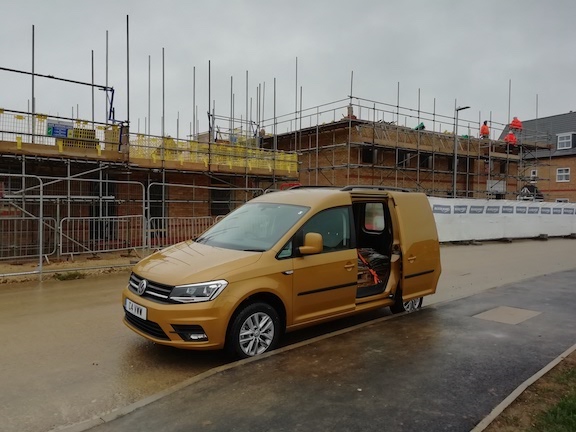
    Here we have VW’s venerable Caddy van. Things in van land run at a slower pace and this Caddy, believe it or not, is the Mk3. The Caddy has been part of the VW catalogue since 1980, so what has it been doing with itself for the past 38 years? 

    Moving, that’s what. That was what it was made to do and that’s what it does. The current Caddy on sale today is 15 years old. Does age really matter or can the Caddy still cut it?

    Driving

    This is your bread and butter van. Power at the front, nothing in the rear except load space. With that in mind, it makes for the rear to become rather happy on uneven road surfaces. Working vans don’t really travel empty and for the demonstration, VW placed a pallet with around 12 bags of sand on it. Even so, it still managed to be compliant in the handling department and for what was effectively an open space with no sound deadening, there were no din or road noises bouncing around the load area. 

    Inside

    Car drivers might not like it and if you play with a lot of Volkswagens, you’ll walk away a bit disheartened. Don’t be. The nice thing about the Caddy is its simplicity. It’s a van. Unless you want a van, you won’t be looking at one of these. There is a Caddy Life, a Caddy with rear windows and seat. That itself is like a Touran for the harder working lifestyles and less about luxury and it costs less too.

    The Caddy insides are all about wipe clean surfaces and hard work. Carpets are an option! What is apparent and perhaps down to age, is the lack of storage compartments. 

    What does show its age is the position of the infotainment screen. It’s a far to low down the dashboard and using the satnav means taking your eyes off the road for what feels like an eternity.

    Living With It

    As small vans go, there is still life left in the now 15-year-old Caddy. The simple layout in the back with minor wheel arch intrusion but still able to take that all important pallet that seems to be the benchmark for small vans. The sliding door aids access too and it’s all pretty neat. It does, however, require a load area liner. That painted area won’t stay showroom glossy for long.

    The Verdict

    It’s a slower pace in the van world and when a new van comes out, the maker needs to get it right first time around. The fact that the Caddy 15 years old, in typical Volkswagen philosophy, has seen some changes to keep it up to date and is still a good seller says more about the van than I can put in words but I’ll try: It’s still competitive.

    Love

    Simplistic inside

    Nice driving position 

    Equipment

    Loathe

    Needs more odds and ends storage places

    Satnav position

    Unprotected paint on the rear bumper

    The Lowdown

    Car –  VW Caddy SWB Highline 2.0 TDi

    Price – £ 24,287(as tested)

    MPG – 60.1 mpg (combined)

    Power – 102ps @2900 – 4000 rpm

    0-62mph –  12 seconds

    Top Speed –  107 mph

    Co2 – 124 (g/km)