Category: Interview

  • Spotlight on: Joey Dean

    Spotlight on: Joey Dean

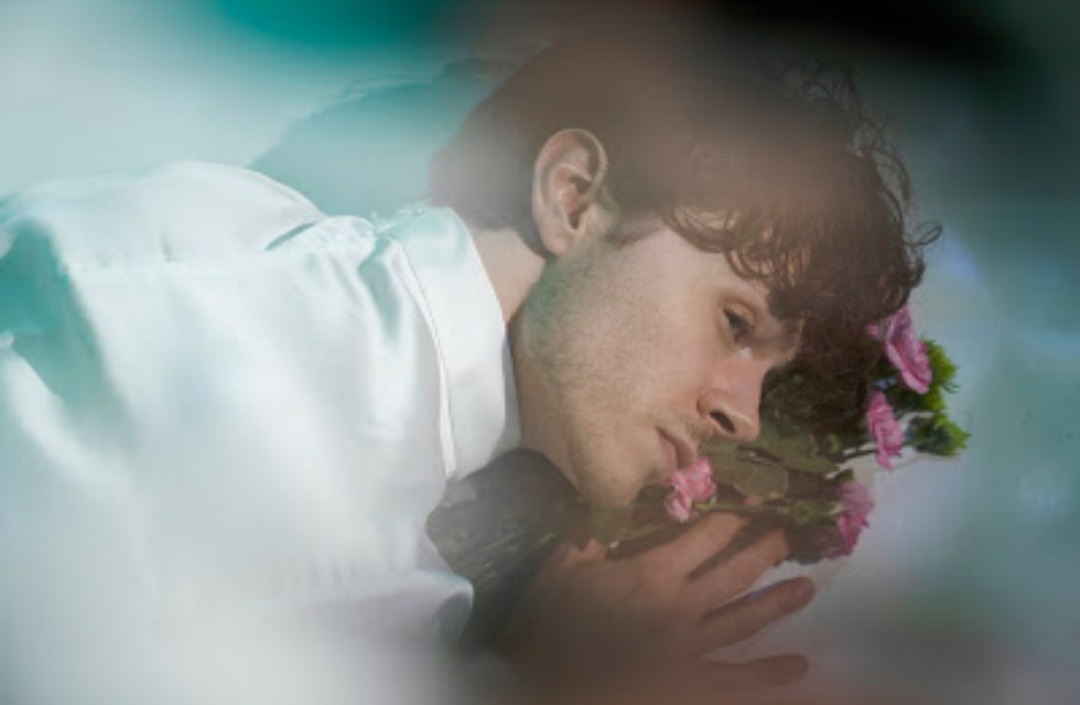
    As you may know, I have a soft spot for the incredibly talented New York-based singer Corvyx, who has let a fanboy like me interview him several times.

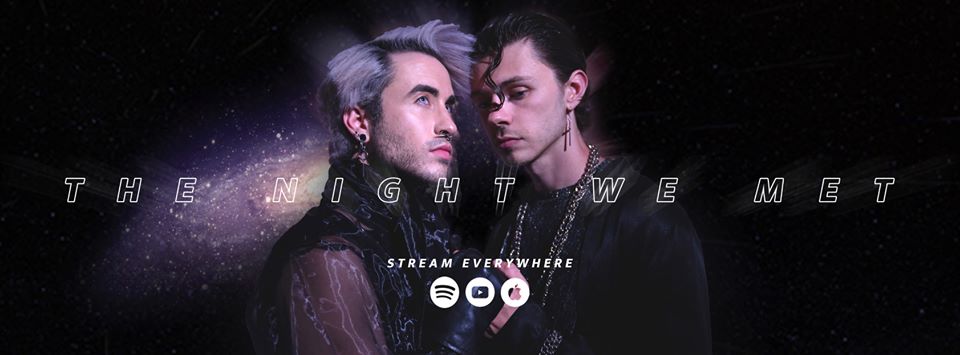
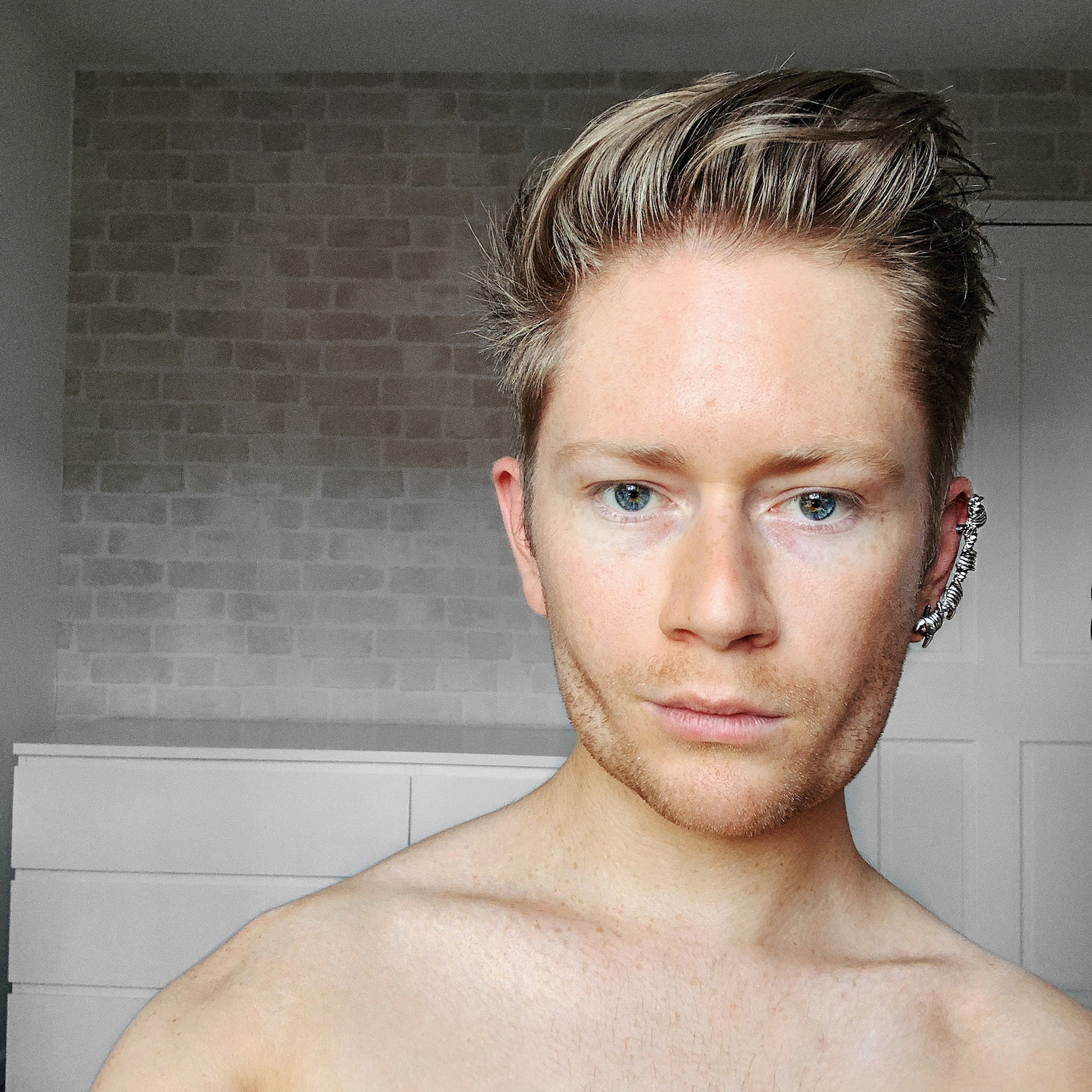
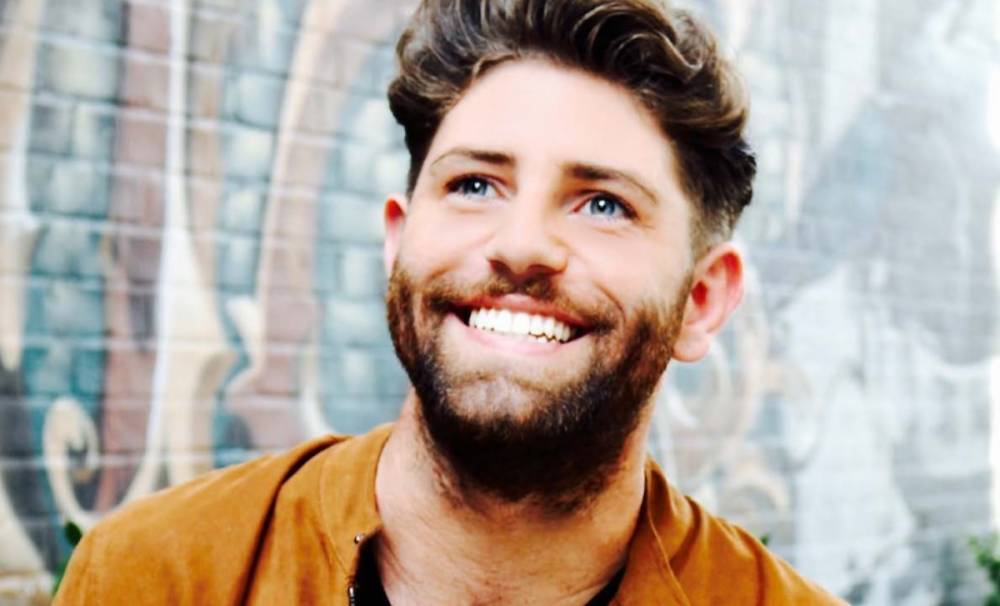
    Now it’s time to shine the spotlight on his partner Joey Dean, a fellow singer who has featured in a couple of his cover songs (Fall On Me & The Night We Met)

    I spoke to Joey recently and he was kind enough to let me listen to his cover of ‘Everytime’ by Britney Spears before release, which I must say is fantastic. We talked of his inspirations, music style and what the future holds.

    Ⓒ PR SUPPLIED

    How did you get into music?

    In quintessential homosexual fashion, I blame Celine Dion. I was seven. I heard her perform “My Heart Will Go On” on the Grammys. I swooned—immediately tried to replicate her power. Couldn’t belt like her—still can’t if I’m honest—but the rest is history. My grandma also sang opera, so maybe that has a bit to do with it…

    What artists inspire you?

    I’m inspired by any artist who witnesses this dystopian world and somehow makes sense of it through their art. Lady Gaga is at the top of my list. It’s certainly those artistic minds who inspire me the most—Marilyn Manson, Davie Bowie, and Prince to name a few more. Vocally, I am a sucker for Steve Perry; he’s my favourite male vocalist. And I can’t help feeling a bit of an aesthetic influence from George Michael and Elvis. 

    Why is ‘Everytime’ your favourite Britney song? 

    Let’s face it: Britney has JAMS. ‘Everytime’ is a bit separate from the typical Brit hits we love. The song captures the delicate balance of love and loss. For me, this song portrays the story of an unrequited love, but also, and maybe more visceral to these times, the story of love for an unrequited world.

    What do you think of the Free Britney movement? 

    I think fame of any capacity at such a young age has potential to traumatize the underdeveloped mind. The world has been unapologetically cruel to Britney in her time in the spotlight, as is the case for many young celebrities. We need to remember that celebrities are human—not separate from us, but equal to. If people want to start a movement to investigate the potentially damaging past and present of Ms. Brit’s life, then I say more power to them! Though, only if people choose to do so out of care and love and not just for entertainment.

    If there was any artist you could duet with, living or dead who would it be? 

    Miley Cyrus! I’ve been a fan since she was living the best of both worlds (#HannahMontanna5Ever). I love the quality of her voice, and her recent ventures in covering classic hits makes me want to tear up a stage with her even more. What a versatile artist! I covered her newest smash “Midnight Sky” since I love it so much. I’m pretty pumped for Plastic Hearts.

    I would tell anyone who wants this career path not to pursue it unless they’re positive it’s their dream

    6. Any more plans for duets with Corvyx? 


    Ⓒ PR SUPPLIED

    As I write to you now, we’re in the studio cooking up our own musical witches brew. Details are as top secret as Trump’s tax records…for now. For the readers who are unfamiliar, Corvyx is my stunningly talented better half.

    7. How often do you practice? 

    In the pre-covid world, I’d have weekly rehearsals prior to tours and sessions with a vocal coach weekly. Now, I’ve been managing zoom voice sessions to keep my voice in tip-top shape, though my process is still a bit off balance. I’ve since occupied that space with optimizing my reach on socials and connecting with new and awesome fans, recording covers of my favourite songs, and writing the many originals which I plan to release with my band Pros & iCons in 2021.

    8. What advice would you offer for anyone wanting to get into singing? 

    I think the first steps come with learning. Singing is a craft and should be practised to near mastery. But truly, I would tell anyone who wants this career path not to pursue it unless they’re positive it’s their dream. This is a full-time gig. A full-time gig with little reward, especially financial. It’s difficult, and for the empathic artist type, it can feel like climbing a mountain with weights strapped to your feet. It’s a long climb to the top, and not many can make it without giving up, but the view once you make it is totally worth it.

    Do you think music should be about the talent rather than the “look”? 

    Absolutely! Talent always speaks the loudest. Though I believe there’s talent in mastering the art of fame and the industry. Some, no matter how vocally or musically talented, don’t have the wherewithal to navigate the stress and demand of being the artist part of the job. Finding a balance of both in one artist is rare, and it’s truly inspiring to witness.

    If you could do a tour, what would be your go-to countries? 

    I’m lucky to have toured the United States prior to Covid running amok. Internationally, I’m most excited to perform in Japan and the UK. Tokyo because anime, fashion, and J-rock. I mean, c’mon. TOKYO! My heart. And I believe my genre would resonate really well with a UK audience. I’d also love to return to London and Oxford. It’s been quite some time since I’ve visited!

    Any final words? 

    For those who are new to my name: Hi! I’m Joey Dean. I’m here. I’m queer. And I am an indie-pop pioneer! Stalk me on my social media channels (@joeydeanofficial), especially YouTube and Instagram. Listen to my music and DM me your opinions. I’d love to hear what y’all think. ‘Everytime’ is available to stream on Spotify right now.
  • 13 reasons why you should be following Corvyx and Joey Dean

    13 reasons why you should be following Corvyx and Joey Dean

    I’ve written about Corvyx a few times before. But if you’ve never heard of him, then allow me to educate you.

    https://www.instagram.com/p/CAx4TrVlQYC/

    But this time it’s not just him, I also spoke to his partner Joey Dean, a fellow singer about their upcoming 13 Reasons Why inspired song and music video and their life with each other 

    How did you meet each other?

    C: Albeit old souls, in typical millennial fashion, we met each other via the
    internet. Joey ‘met’ me through my YouTube channel before I met him as we had a mutual friend who would share my covers sporadically. Joey eventually messaged me about potentially jumping on a show with his band Pros & iCons. The show fell through but we stayed on each other’s radars from there on out.

    Eventually, he “slid into my DMs” about a skull spoon I used for my coffee one morning. Such a smooth stalker…TALKER*.

    How long have you been dating?

    J: The answer sits somewhere neatly in-between “three-ish years” and “forever.” When we met, it felt like we had known each other for years. Even now we question if we somehow entered a time warp and spanned ten years within three. Too many commonalities. Too many coincidences. Down to nonsensical BS.

    Both Coryvx and my cousin impersonated the Grinch for their college acting auditions. Can it get any weirder?

    It’s a beautiful and terrifying thing to date someone so similar to you

    You were dating for quite a while before collabing for the first time, what took you so long to do a song together?

    C: To be quite honest, ego and fear. I think for the first time we were both
    genuinely intimidated by how talented we thought the other was. The fear of comparison was definitely at the forefront of both of our minds. We thought mixing “business with pleasure” was a dangerous ground to tread but nobody ever really tells you about how liberating and beautiful it can be as well.

    We were finally able to let go of our egos. Up until the first collaboration, we had shared all aspects of ourselves with each other so we thought, “Why the hell not share the thing that makes us most passionate and fired up about life aside from each other?” It’s music. It’s creating. It was time.

    What made you choose Fall on Me as your first collab?

    J: Corvyx approached me with the song. We’re 90’s babies and millennial gays, so it’s hard to escape the orbit of Miss Xtina. (I AM BEAUTIFUL IN EVERY SINGLE WAY GODDAMMIT! *wipes tears*).

    Considering “Say Something” was such a smash, and a gorgeous track, we anticipated her new collaboration with A Great Big World would open the flood gates. It was the end of 2019. The world was on fire and at war and beginning to spiral into hopelessness. When we heard it, we felt it captured the universal energy afoot. It was sad and reflective, but hopeful. It just felt right, at that time and in that space, for it to be the first song we would record together.

    https://www.instagram.com/p/B9DK6jwBMl7/

    What made you choose this latest song?

    C: I initially heard Lord Huron’s “The Night We Met” on the wildly popular Netflix series 13 Reasons Why and I was gobsmacked by how transcendental beautiful it was. I mean, I really had not been transported by a record like that in a long time. Maybe it was my unhealthy obsession with my dream adolescent celebrity couple “Clannah”, or maybe the lighting was right, but WHAT. A. SONG. I knew I had to cover it one day. And then Joey watched 13RW and he absolutely had the same experience with the song that I did.

    After the success of our cover of “Fall on Me”, we decided we should do this more often and what perfect timing? In conjunction with the series finale of 13RW and PRIDE month!

    What inspires you about each other, musically and personally?
    J: It’s a beautiful and terrifying thing to date someone so similar to you. We
    reflect and refract each other in many ways. Through dating, we’ve been able to look within ourselves and reconcile the dark parts of our stories we’ve, at times, sought to expel. We find beauty in them now as we’ve fallen in love with them through falling in love with each other. We share a deep deep spiritual bond, and it’s that spark of life, and that unspoken understanding, that reignites our fire despite the occasional empty fuel tank.

    And what a liberating thing to create together! Especially during these quarantimes.

    How do you keep your relationship strong?

    J: Communication! And patience, even when there is little. One thing we do very well is talk. Our voices have become more than a means of instrumentation; they’re our lifelines. We maintain an uncanny ability to express how we feel, and at times our overly dramatic homosexual selves complicate that part, but it makes for good music…right? Through the dramatics, we somehow find homeostasis. We just get each other. It makes all the complications much easier to manage.

    https://www.instagram.com/p/CAqW_yrjvfT/

    Does the latest video have a special meaning for you?

    C: It definitely has special meaning for me being that it’s something I felt I
    manifested. I heard it on the show and knew one day it would happen, but to have the honour of singing this song with my best friend and life partner? It was something I didn’t imagine, so it definitely sprinkled a bit more of that ooeygooey, magical sh*t in there! It was the perfect elixir of manifestation, passion project, and collaboration. And what a liberating thing to create together!

    Especially during these quarantimes. Yes, I mean quaranTIMES.

    How was your own High School experience?

    J: The year is 2013. I’m the only openly gay student in a population of 2500
    ravenous, bloodthirsty hormone monsters. How do you think it went? I fended off my fair share of bullies, but I learned that standing tall with a sense of pride despite what others might think garners you a little more respect than you’d expect. My latter years in high school led me to pursue writing and literature in college, which led me to meet my bandmates in Pros & iCons, and thus pursue music. Along that journey I met Corvyx. I guess I have to be somewhat grateful to high school…

    C: I guess I’m grateful to high school as well. My experience was a good one at times but I felt tortured internally. I knew from a very young age that I was gay but high school was when the, (as Joey put it), “hormone monsters” were raging and mine were no different. Except, I had to stifle my every organic impulse because unlike Joey, I was very much IN the closet. So we experienced isolation in different ways. I just wanted to come out and be accepted but I had gone on with an act for so long it felt almost impossible. So here’s where the grateful part comes in…I’m grateful I knew how that isolation and fear felt because I know I can never go back to that. Ever. Oh! I sang a lot in high school too so that was fun.

    The Night We Met is released on June 26th

    The song is a beautifully haunting version of the song, with a simple yet stunning music video

    Corvyx’s social media can be found here. Twitter Instagram YouTube 

    Joey’s social media can be found here  Twitter Instagram YouTube

  • INTERVIEW | ‘You Don’t Look Deaf’ is something I’ve been told countless times – Luke Christian

    INTERVIEW | ‘You Don’t Look Deaf’ is something I’ve been told countless times – Luke Christian

    Luke Christian is an out and deaf entrepreneur who created his iconic fashion brand, DEAF IDENTITY with his redundancy cheque. He talks to us about his love of fashion and why it’s weird to fetishise deafness.

    Tell us a little a bit about your company, what’s the goal?

    I created DEAF IDENTITY last September 2019 as I took redundancy from my old job and came to a bit of a standstill where I had an idea of mixing my love for fashion whilst raising deaf awareness.

    The goal is to highlight the deaf community by breaking down the barriers and stigmas surrounding us and to show that there is no right or wrong way to be deaf! I also wanted to create a brand that felt fresh, modern and relevant and to show that being deaf isn’t all people may think it is…

    How are you going to marry fashion and deafness?

    I aim to mix my love for fashion with deafness by allowing the consumer to personalise their items in British Sign Language to their own personal taste and they can also select their own ‘DEAF IDENTITY PHRASE’ which is designed to be quite tongue in cheek and to grab attention such as ‘WELL YOU DON’T LOOK DEAF’ which is something I have and still get told countless times!

    Who designs your clothing?

    I design all of my clothing and get inspired by current affairs and what is going on in live time.

    Some of the designs available from DEAF IDENTITY.

    What are the biggest challenges facing you or DEAF IDENTITY at the moment?

    The biggest challenge at the moment is Covid-19 restrictions as I’m sure it is for many, many other businesses out there too! But, the positive out of this is that it’s allowed me to pause, reflect and plan for the future.

    Are there any great LGBT+ deaf role models?

    I think this is a tricky question because one of the main reasons why I started DEAF IDENTITY is because being born deaf and whilst growing up deaf, I never had anybody to look up to in the public eye that was deaf so never felt I could relate to somebody or have a ‘deaf hero’.

    With DEAF IDENTITY all the models that I use are all deaf or CODA (Child of Deaf Adult) so I hope that over time as the brand grows, there will be more role models to look up to and for people to feel connected with!

    Who are your personal role models?

    For me personally, Kate Moss. I’ve just always admired her from a young age and I remember falling in love with an image of her in a magazine and my love for fashion grew from then! I think what I love about her is that everyone knows who she is yet we know very little about her…

    What are the barriers and stigmas that Deaf people can face?

    I think the barriers deaf people face daily is equal rights. We as a community are always, always an afterthought and I think the main, current example is the ‘Where is the interpreter?’ campaign going on.

    Throughout the duration of the Covid-19 pandemic, here in the United Kingdom, during the BBC news special at 5 pm with the daily briefing, there is no interpreter and we seem to be the only country in the world that doesn’t have one.

    Again, this is a pandemic and affects everybody yet deaf people who rely on British Sign Language aren’t being thought of and are once again, an afterthought.

    Ⓒ SUPPLIED

    Do you think people are frightened or scared to interact with people who are deaf or hard of hearing?

    For me personally, I think that from my own experience people are actually quite open and nice about it! I’ve had people notice my hearing aids and say ‘Oh I know BSL too!’ or ‘I know someone that’s deaf as well!’ which is quite sweet and I would rather they made an effort than not at all.


    I don’t know why gay men feel the need to tell me things such as ‘Oh you’re deaf? That’s so cute, I just want to look after you!!’


    Is it hard to feel part of the wider LGBT+ community or have you found people to generally welcoming?

    I would definitely say it’s mixed but one challenge I face is my deafness being fetishised. I don’t know why gay men feel the need to tell me things such as ‘Oh you’re deaf? That’s so cute, I just want to look after you!!’ or ‘It turns me on knowing you’re deaf, maybe we could have some fun and I’ll turn your hearing aids off as well’…

    It’s crazy to me and whenever I try to explain why this isn’t okay, I either get blocked or called ‘sensitive’.

    Each to their own I guess!

    To find out more about DEAF IDENTITY visit their website

  • INTERVIEW | Red Dwarf’s Chris Barrie talks The Promised Land, Friendships and Legacy

    INTERVIEW | Red Dwarf’s Chris Barrie talks The Promised Land, Friendships and Legacy

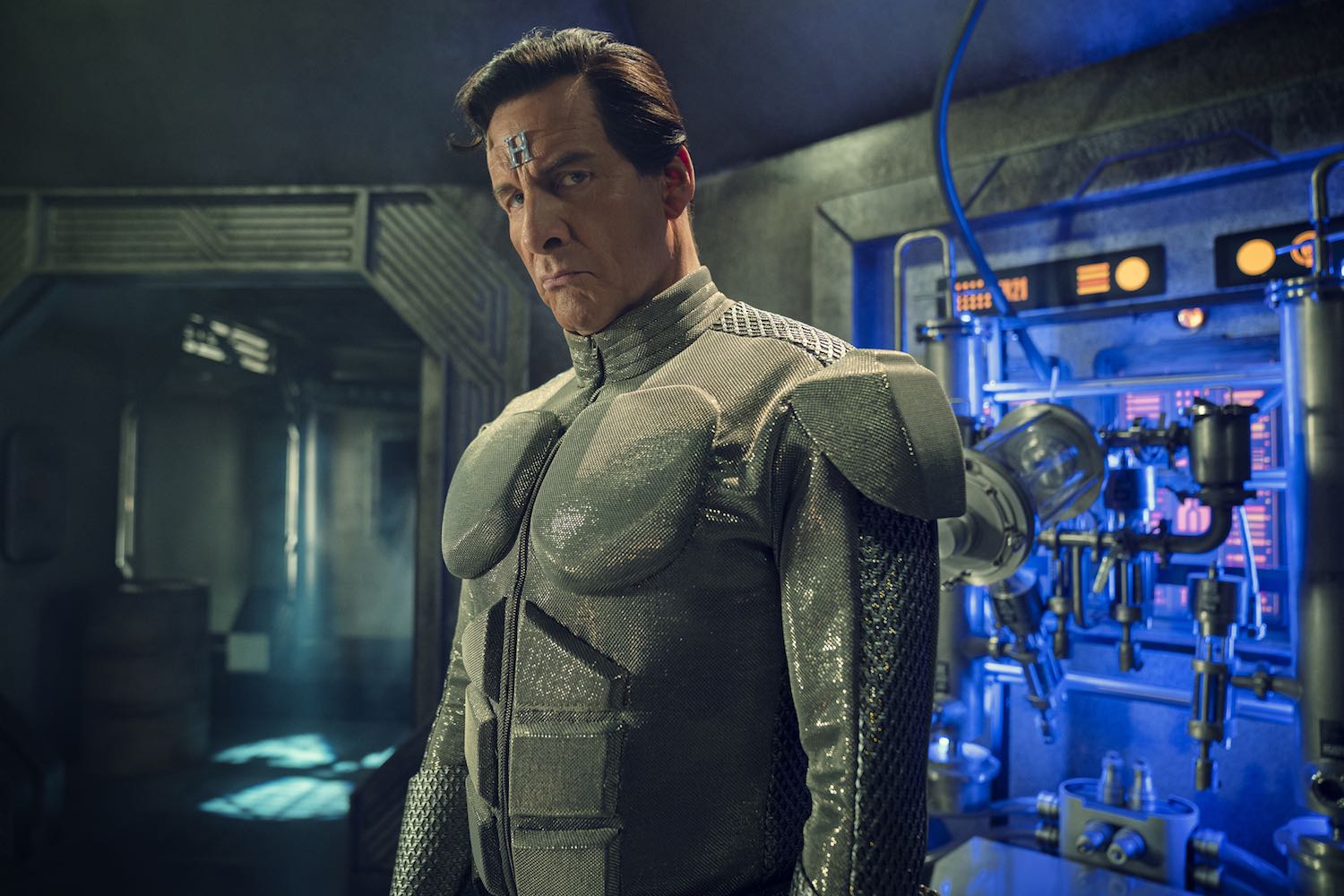
    Only a few more days until Red Dwarf: The Promised Land is released (Thursday, April 9th 9 pm, on Dave.) It’s an action-packed and exciting special that manages to be funny as well as emotional without losing any of the essence that makes it Red Dwarf.

    The core of the episode centres on the heart of the show: the Rimmer and Lister relationship.

    Here Chris Barrie (Arnold Rimmer) tells us more:

    This special has been a long time coming…

    Yes, it has. I suppose when we were talking about a Red Dwarf special way back in the noughties and then we did Back to Earth and that kind of satisfied the muscle of doing a longer piece. But I think it was always looked upon as a three-parter and it was looked upon as reasonably experimental so then we went back to doing 10, 11 and 12 in the normal way as a series.

    Did it feel quite different making it?

    In a sense, it did because in a shorter half-hour episode you kind of know after one read-through of the script where you are when you’re shooting it. Whereas when you’re doing a film piece it’s an hour and a half so you think hang on when does this bit happen? Does it happen before that bit or have we done that bit yet? It was a little bit more of studying the script to find out where we were with the piece. Although the audience scenes were very similar to what we do when we do the half-hour episodes, it was quite weird just doing little clumps of the piece in front of an audience. But it’s going to be unique in the sense that it’s going to be an hour and a half piece in front of a studio audience.

    What can people expect from it?

    I think people can expect a solid storyline involving the Cat people, which in itself is a strong story given that our own Cat has got to meet his makers and find out who they are. All the characters have their own storylines; we’re not breaking from the tradition of the Red Dwarf posse.

    The interaction between the characters is as it’s always been, and it’s more of the same within the framework of a fantastic story.

    Ⓒ DAVE TV

    Your character becomes a superhero wearing an incredible suit!

    You always know when you put on a costume, as soon as you’ve been to wardrobe and makeup and start walking into the studio, you can immediately tell by people’s reactions what it’s going to be like. I think both Vanessa and Howard in the makeup and wardrobe departments respectively did an absolutely A1 job and gave me the base to really enjoy the moment in that outfit and perform this uber Rimmer as it were. I wanted to be in the costume longer!

    Things get quite deep and emotional for Rimmer at points, don’t they?

    Well yes, there’s a scene with Lister where Rimmer does really feel lower than maybe he’s ever felt in the last 33 years. You can’t really tell whether Lister’s taking the mick or if he’s actually boosting Rimmsy but I think there’s a lot of good in Lister. At some point you think is he doing this for his own purposes or is he really helping Rimmer along here? But however, that may be in the subconscious of Lister it turned out to be a pretty good scene and very exciting to do.

    Did you feel quite reflective once you were all back together? You have a very special relationship…

    Oh yes. It’s always very easy to switch into character on Red Dwarf because as soon as we get the costumes on and the dialogue going it’s like we’ve never been away. And every time we’re there we’re always reflecting on the old shows and obviously, we can go way back now to 1987 so there’s a lot to talk about and recall! And all the characters and people we’ve met along the way. In this piece we met and worked with another great batch of people. The three cat clerics Tom Bennett, Mandeep Dhillon and Lucy Pearman were great performers. Ray Fearon – what a top performance as the feral king. And Al Roberts his apologetic flunky was brilliant as well. So many great performances and it was fun to see them add another dimension to the show.

    Holly is back too and got a very big cheer!

    Oh, how could I forget! Norman (Lovett) is back, what a great guy and a proper comic with proper timing and delivery. Cynical as ever but brilliant to see him back, and the audience absolutely go nuts when they see him.

    Who corpses the most?

    Oh, I think we all corpse occasionally. I look back on the shows and there are only a few times in 33 years that I’ve managed not to be able to stifle a corpse. Obviously, Doug would always try and go for a take that doesn’t have us corpsing in the background but it is a comedy and you like to play it for real. We all love playing in front of an audience and thinking we’re going to get a big laugh.

    Are your working relationships the easiest you’ve had with anyone?

    It’s been my main working relationship in my career. I was 27 when we started doing this and now I’m 60 so all my life I’ve worked with Craig, Danny, Norm and a year or two later Robert. Doug and Rob (Grant) I worked with right from the outset of my career. I’ve known Doug for 37 years so it is the backbone of my working life. Having said that we had a lovely company on The Brittas Empire for a lovely eight years. I worked on Spitting Image back in the 80s and we had a lovely company on the voice and puppeteering side, so I’ve been very happy and lucky to have some great working relationships over the years. But obviously Red Dwarf stands in the middle as the longest and probably most successful show in terms of my career. When we all started as youngsters we were different young men; we were ‘I must get on, I want more lines’ blah blah. But as the years go on you realise that we’re a team and we’ve come through so much from young single men to getting married and having children. And now we’re passing through the middle age era and I think we appreciate each other as much as we’ve ever done, if not more.

    How does it feel to have a documentation of you over all those years?

    Yeah, it’s interesting. Obviously, when series three crops up every now and then you see yourself as a 30-year-old, you tend to go my God! Or as my son said, ‘Dad what happened to you!’ But I think it’s been a real privilege to be around to do a show for so long. And the fans still love it I hope.

    Especially as there was a long period of time when they didn’t think you’d come back…

    Well yes, the ‘will there, won’t there, who’s going to be involved’, usually on the other side of the camera, that’s always been a soap opera in itself at Red Dwarf! There have always been interesting times on that admin side. But when we’ve got to the studio, got the script and hit our marks and said our lines, that’s when it all comes to life and when everyone says isn’t it good that we’ve waded through the – to use a Red Dwarf phrase – smeg to get where we are now.

    Technology has obviously changed a lot – you have a laugh with that…

    Oh yes. To think that back in the old days we had the old flapping sets and some fairly ropey kind of stuff. We used models more and I loved using models, we still use them a little bit these days and of course, the quality of those have gone up but we’re always making comments on various topical things when we do Red Dwarf – the tech ban in M-Corp in series 12 for example. Technology and the use of it and comment on it is never going to be far away from Red Dwarf.

    Are you recognised all the time?

    Not these days because I now look myself and quite different from Rimmer. Mainly due to the disappearing barnet but you know, that’s life and in many ways, it’s quite good. But a lot of people do still recognise me and go ‘You’re that bloke aren’t you?’ Then they ask where they’ve seen you and it all falls into place. You get recognised just enough to know you’ve done a reasonable job.

    It does have a fan base….

    We do and we know that from going to conventions. Even when we’ve been off with no new product insight we’ve always packed in a good crowd at the conventions. I don’t know when we’ll next be doing that but we’ll see.

    Will there be more specials like this?

    Just as things stand right at the moment given the global circumstances with you know what, COVID 19, I don’t know when there’s going to be more of anything and what form that might take. We just have to ride out this storm and go from there. I know that’s a very depressing answer but it’s the way everything is – it’s not just Red Dwarf. We’ll see what happens but later this year or early next year if someone asked if we’re going to do another one, I think we’d discuss it and there’d be a strong possibility it would go forward given the health and desire of cast, and especially Doug of course and his son Richard. In the meantime, I think we’ll give the fans a good opportunity to sit at home and watch this latest Red Dwarf, which I’m confident they’ll enjoy.

    Red Dwarf returns on the 9th April on Dave

  • INTERVIEW | Alexis Houston

    INTERVIEW | Alexis Houston

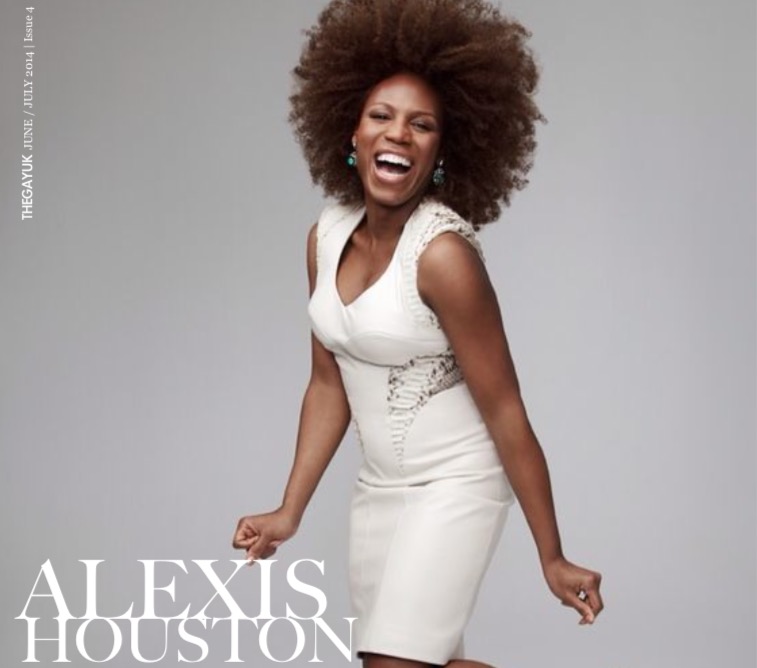
    Say what you will about Alexis Houston, Whitney’s half-sister, you can’t deny her persistence, her undeniable talent or ability to divide opinion. In 2010 Alexis rocked the tabloids and gossip websites, when rumours about her real identity were thrown into dispute. It wasn’t long before she was branded a liar and a 60-something-year-old man born in the Bahamas. We speak to Alexis to clear up those rumours and get to the bottom on who the real Alexis is. Will the real Houston please stand up.

    (This interview was taken from Issue 4 of THEGAYUK – 2014)

    JH: So where are you today?
    AH: Today I am in New Jersey, This is home base… This where I’m from…

    JH: So you weren’t born in Barbados or the Bahamas or anywhere else in the world?
    AH: No, no no! My mother is of American Bahamian ancestry. Yeah, there’s this thing going on that I was born in the Bahamas or Barbados… But I was born in New Jersey.

    JH: So do you go back to the Bahamas much?
    AH: I haven’t been for a lot of years, but my husband’s been trying to convince me we need to go on a nice vacation (laughs). It’s just trying to find time to take a vacation.

    JH: How long have you been married for?
    AH: We have been married for… gosh.. around two years now – yeah two going on three, but we’ve been friends for about seven.

    JH: You’re a very controversial person… Let’s not beat about the bush…
    AH: Yeah… Well the story around me is controversial!

    JH: So there’s no way we can have an interview with you without going into that controversy…
    AH: You have to… You have to…

    JH: But we’re not even sure where to begin?
    AH: Well, you just go you know… Rumour has it I’m a 60-year-old man!

    Embed from Getty Images

    JH: Where did that even come from?
    AH: I don’t know, it’s just this insidious nonsense that just goes on and on. I don’t know whether it’s because they thought I was a lesbian because I wouldn’t date guys in the office – I just don’t know where it comes from…

    I remember the first time it came out was May 2010. Almost four years ago. I get a call from my manager. At the time it was just one gossip website, by the end of the afternoon, there were at least 50 of them. So they were all quoting each other.

    JH: RadarOnline?
    AH: Yeah that’s where it started – and firstly there was this rumour that I was dating a television host here in the states, he hosts the big morning show, someone I had met casually and on the job and didn’t even think about… At the least, they could have said, Obama or something or Denzel or LL Cool J, somebody… you know! And from that it spinned of to. ‘you know, well, he’s probably some old man…’

    At that time I had been communicating with Donna Summers, because she was dealing with some stuff at home and she called me up and said, ‘Hey I know you’re going through a challenging time, but don’t worry, they said the same thing about me, when I was carrying my children’. So I felt kinda comforted – and then I got the same sort of support from Lady Gaga who says, ‘Just have fun with it…’

    I don’t know, it kinda works with Gaga the whole controversial thing, but for me, I’m just home writing songs, Just want to be a writer-producer and now I’m thrown into this public foray whether I’m a transgender person or not. It was scary initially. It gets a bit intense because now everything that I do is preceded by this. Every interview. You have people who are worried about you and it kind of stymies a lot of my hard work.

    JH: So the focus is always whether who you say you are rather than the music – but isn’t it just rude to question your gender and background?
    AH: It is, but this is after four years of dealing with this. It is rude, it’s insulting. The reason why I’m so willing to speak about it now, didn’t want to initially, but I want to talk about it now specifically because, what has happened and what I’ve experienced over the years is that there are people who have refused to do interviews with me because I’m maybe transgender or the Whitney story or whatever. I’ve come to place in my life where I’m kind of infuriated – and people should be, especially people from the LGBT community should be furious because it almost sends the message that, ‘if Whitney’s sister is transgender she is less valid, her work is less valid, her art is less valid’ and how dare people make that judgement of others. That’s what has gotten me, can I say pissed off? And that’s the reason I’m addressing it.

    If I’m transgender or I’m gay or whatever, then so be it – yeah, but my work is still valid.

    If I’m transgender or I’m gay or whatever, then so be it – yeah, but my work is still valid.

    JH: So for someone who’s not transgender, you’ve actually experienced transphobia, how does that feel?
    AH: It’s truly insane. It’s truly insane. And it’s taken so much attention away from the music.

    Embed from Getty Images

    JH: And why Wellington, the 60-year-man people are saying you are… Do you even know who he is?
    AH: Oh yeah, he’s 50-something years old, and I’ve worked with him and he’s family. We’re related by marriage and it’s crazy that they chose him. But when I started out in this business, I had just graduated from university. I was young, and a lot of time I would have people make phone calls on my behalf, at one time it was Wade Perry out of Whitney’s office and one time I had Wellington help me.

    I couldn’t afford to have expensive people working with me so I asked my family or my friends and I said this is what you need to say on my behalf… and that was his involvement in my life.

    JH: So a new album and new you… A lot has happened since your 2010 release!
    AH: Yes and this time I’ve gotten married to my best friend and we’ve got babies and I lost my sister and I’ve dealt with the difficulties being in this business and running businesses. I run my own management firm. The past few years have been bittersweet.

    My husband’s name actually means My Light and I thought, great I’m going to use that as a focus for this project.

    It’s not all happy happy Kum-Ba-Yah type of songs, but it’s an uplifting project, but in order for us to appreciate the positive things and the happiness and the maturity you also have to frame that with the hardships from which it all has come from. So you can compare and contrast. So the song ‘Light’ is about self-empowerment not living your life to please somebody else, not living half a life because you’re afraid of being yourself and stepping out there and perhaps afraid of being criticised like I was. Then you have songs like ‘Morning, Noon and Night’, which is a song about love and romantic love from a grown-up perspective. My mother will probably skip that track on the album, but I’m a grown-up, I’m a woman and I have a husband and we communicate. We are sexual beings and lovemaking is a big part of our communication and it’s the same for everybody else out there.

    My mother will probably skip that track on the album, but I’m a grown-up, I’m a woman and I have a husband and we communicate. We are sexual beings and lovemaking is a big part of our communication and it’s the same for everybody else out there.

    I hope that with this new project that I get to bring people into my life, my world and get to know the real Alexis a little bit more than they did before.

    Pages: 1 2

  • Danny John-Jules: “You always have two choices, your commitment versus your fear”

    Danny John-Jules: “You always have two choices, your commitment versus your fear”

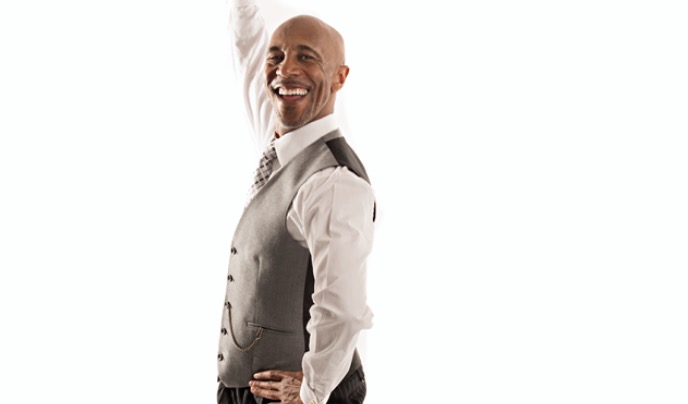
    Actor, comedian, singer, dancer and now author of his own theatre show I’ve Gotta Be Me, a tribute to the life of Sammy Davis Junior. There isn’t much that Danny John-Jules, star of Red Dwarf and longest running main cast member of Death in Paradise can’t do.

    Here he talks about why he had to create his Sammy Davis tribute (currently touring the UK). He also talks about the now filming Red Dwarf special (which will be shown on Dave/UKTV) next year and what makes the series so enduring.

    Why a show about Sammy Davis Jr?

    Sammy Davis Jr wrote the blueprint for ‘Performing’. And if you are going to be inspired in your chosen career, it’s only wise to look to the best. And the consensus is Sammy Davis Jr.

    What does Sammy mean to you?

    Sammy Davis Jr to me was (And still is) ‘The professor Of performance’. The Lola that Barry Manilow sang about was discovered and mentored by Sammy Davis Jr. Lola Falana ’The Queen Of Las Vegas’.

    Who created the show?

    I created the show after I read an article by Sir Bruce ‘Mr Entertainment’ Forsyth in which he said that the highlight of his career was working with Sammy Davis Jr and that he thought his legacy had been forgotten.

    Which Sammy quote do you live by?

    “You always have two choices, your commitment versus your fear”.

    What are your future plans?

    My future plan is to ‘Remind’ everyone of the person that ‘Opened the doors that generations of performers like myself have had the privilege to walk through.

    Will you ever return to Death in Paradise?

    I outlasted three leading men in seven years. When you’ve been inspired by Sammy Davis Jr, you crave challenges. I’ve Gotta Be Me is such a challenge. As I said: “You always have two choices, your commitment versus your fear”.

    It seems new Red Dwarf is on the way, anything you can reveal?

    I will be filming Red Dwarf while touring. It’s a 90 minute special. It will sit nicely alongside the AA series of commercials we did earlier this year. It will be funny.

    Why do you think Red Dwarf remains so popular?

    Red Dwarf remains popular because they obviously haven’t come up with a sitcom with the legs to keep up with us or they wouldn’t keep making it.

    The only other character on UKTV that can hold a candle (in the wind) up to the face of The Cat, in the department of Camp, Drag, Hair and Make-Up, Elan, sashaying, glide, and the wickedest put downs is, RuPaul!!   LOL.

    You can still see Danny John-jules’ I’ve Gotta Be Me at the following theaters this November:

    4th – Swindon, Wyvern Theatre – READ MORE / BOOK NOW

    14th – Sevenoaks, The Stag – READ MORE / BOOK NOW

    20th – Greenock, Beacon Arts Centre  – READ MORE / BOOK NOW

    21st – Aberdeen, The Tivoli – READ MORE / BOOK NOW

    22nd – Dunfermline, Carnegie Hall – READ MORE / BOOK NOW

    29th – Margate, The Theatre Royal – READ MORE / BOOK NOW

    Red Dwarf The Special complimented by a three part documentary will be shown on Dave/UKTV next year

  • INTERVIEW | Ute Lemper, The Diva’s Delight

    INTERVIEW | Ute Lemper, The Diva’s Delight

    Sasha de Suinn interviews Ute Lemper, the world-famous – and hugely LGBT friendly – jazz and chanson singer on her upcoming, sold-out show – Rendezvous, with Marlene, at London’s Arcola Theatre

    What makes a killer diva? Is it surviving the frenzied, hot-pout hurricanes routinely weathered by the strutting queens in Pose?
    Or – arguably better – surviving every possible shift in the facile, pop-trash demographic spoon-fed by reigning low-brow Simon Cowell?

    Perhaps, but rarer still is one essential ingredient; jaw-dropping talent.

    Not that England’s particularly thin on the ground in that respect; for every ridiculously over-praised whiner like Celine Dion or Madonna, we have a Shirley Bassey, a Dusty Springfield, an Adele and Amy Winehouse. Still, as shockingly good as those artists are, the most revered, rarefied divas – which must, without doubt, include opera queen supreme Maria Callas and legendary French chansonnier Edith Piaf – both transcend and encapsulate their formative cultures.

    In brief, they’re shockingly, almost dangerously definitive, iconically flash-freezing the cultural mountain peaks they’ve chosen to climb and conquer.

    Which brings us, quite fittingly, to the lithe, Teutonic, mistakenly supposed ice goddess Ute Lemper, a killer blonde that Alfred Hitchcock – with his infamous fetish for fair-haired females – would have cast on the spot.

    Unsuprisingly, she’s left striking, indelible landmarks on the cultural landscape; some future, artistic archaeologist might unearth the riveting footage of Ute nonchalantly walking a public catwalk naked and heavily pregnant in the movie Pret-A-Porter, and regard it with the awe reserved for Cleopatra’s intimate relics.

    Myself, I’m endlessly enchanted by the sulphuric glamour and corrosive aplomb of her turn as seductress Velma Kelly in the filmed musical version of Chicago, and the memories of an outstanding, intimate gig Ute gave at NYC’s hugely prestigious Carlyle jazz club.

    The year? 2005, and – sitting only inches from the diva herself – I was overwhelmed by the intensity, conviction and commitment she drew from every micro-managed note, on a inflection and lyric of her chosen repertoire. And my inner tranny, of course – at that time given flaming, 24-7 expression sky-high on a teeming, non-stop horde of female hormones – was immediately transfixed by Ute’s bias-cut, black, low-cut silk dress, painstakingly highlighting her figure with the panache of some implausibly perfect glove.

    Her performance, of course, was magisterial and definitive, bringing a concise nuance to Brecht and Weill that drew audible gasps of appreciation from the audience, and – en route to a punishing early, morning interview for this tranny-granny night-owl, I found myself deeply pondering Ute’s electrifying ability to deliver her material with total authority and mastery on stage.

    Rushed and breathless on a frosty May morning, I arrive and meet PR guru Kevin Wilson, and ushered to meet Ute, who – quite charmingly – directs us to a quiet, discrete corner where we won’t be bothered. She’s immediately welcoming, and – like all upper-echelon film, stage and music stars – effortlessly makes me feel as ease.

    The first question’s obvious; was music always a consuming passion for her? Languidly chic in black mules, loose black silk pants and matching blouse, her straw-gold hair, green eyes and pale skin intermittently lit by early morning sunlight, she instantly smiles and reminisces. “I would say all the way back, (in her life) music was always the universe I wanted to live in, I grew up with great idols we grew up with this great music, R&B and jazz, but it wasn’t my culture, it wasn’t British culture either, the great rock bands, Al Jarreau and George Benson, Joni Mitchell all this fantastic music, to the extent it was hard for me to see who am I in this music world. And then I encountered the music of Brecht and Weill, and it was really incredible to find this music full of spirit and intellect written in German, it was poetic and theatrical; and written for the young people of that time of course, and it had already been written a long time ago when I discovered it, so it gave me a certain artistic identity to perform it, and I went to study in Vienna and found it was one job after another…”

    Ute’s speaking voice – crystal-clear as a verbal river, and addictively garnished with precise, German vowels in her otherwise faultless English – is also intensely descriptive, her shifts of pitch and emphasis immediately painting compelling sonic portraits. But – mindful of the incendiary, religious politics castigating sexual diversity worldwide – could parts of her repertoire offend intolerant regimes? Rightly or wrongly, the songs of Kurt Weill and Bertolt Brecht has become indelibly symbolic of the sexual and theatrical excesses of the Weimar era republic, that fabulous demi-mondaine of transvestites, dominatrixes, gay men and lesbians so beguilingly portrayed in the movie Cabaret. And that positive visibility has been paralleled by the rise of the feminist MeToo movement; indeed, Brecht and Weill’s songs of self-determination and sexual liberation almost wrote a compelling rulebook for feminist activists decades ago.

    Do you find the pro-LGBT viewpoints and sympathies of Weimar cabaret present a problem when performing to audiences religiously and socially opposed to LGBT rights, especially in Israel and the Middle East?
    “Well, not in Israel” Ute continues, “You can do what you want, it’s quite fabulously liberated, but in the Islamic countries, I’ve been told not to reveal too much, not to go too far, not to provoke their notions of a woman’s status, and not to go too much into diversity details, I don’t mind, I do what I do, it is part of my range and image as a provocateur to present the material in the persona of a provocateur, so they know what they’re getting, but I wouldn’t do something from the film Cabaret in the Lebanon, I would do something more musical that doesn’t cause heart palpitations!!”

    Unlike other high-profile musicians – quite notoriously and notably the ex-Pink Floyd powerhouse Roger Waters, aggressively pro-Palestinian and anti-Semitic – Ute prefers to charm and persuade, not alienate.

    On a related note, the MeToo movement has become incredibly important in exposing, resisting and highlighting the despicable sexual predation that’s been routinely practiced by influential males across the performing arts, particularly the utterly repellent Harvey Weinstein. But the arts, arguably, have always been nuanced and aware than everyday life – more ‘woke’ in the current parlance – and strong women, like countless divas from Maria Callas, Dietrich, Madonna and Gaga have fearlessly rewritten the rule-book for female engagements with audiences and theatrical performance itself. Dietrich, of course – the incandescent focus of Ute’s show – enjoys constant mythic status in the LGBT world, and it’s fascinating that the now-legendary, three-hour phone call Dietrich made to Ute in New York from her apartment in Berlin – formed the basis, thirty years later, of Ute’s current magnum opus, Rendezvous with Marlene.

    Ute chuckles. “Well, it’s taken 30 years to illuminate the whole context of Marlene’s journey. It was clear to me when I spoke to her when she went back to Germany after fifteen years and people in the 1960s were saying, ‘Go home, we don’t want you Marlene you’re a traitor to the fatherland.’ You see, the shadows the Nazis had cast was very long, and it was an unbelievable way she was treated in her own country, seen as a traitor because she’d sung for the American soldiers in World War Two, and it was an incredibly painful experience for her; she did only one more tour and a UNICEF gala, and I remember she said to me she would only go back one time in a coffin – dead.

    “She wanted to be buried next to her mother in a cemetery in Berlin. What was clear, what was the most striking thing in her conversation, was her melancholy, her anger, her bitterness, her desperation about having lost that piece of her life which was her home, her childhood, the German language that she loved, the poets, her favourite poet Heine Maria Rilke, she quoted him constantly on the phone call, and of course I was completely in awe when Marlene called me, it was a very long phone call too, I didn’t quite know where to put it emotionally, when I told other people they would say, ‘You’re kidding me’, but I was young, I was busy, it was a time when I wasn’t ready to explore the emotional complexities of Marlene in my work but it is time for me now to refer to her life, and tell her story the way it was…the time of the phone call, thirty years ago now, was a time when I first thoroughly broke through, and there was a lot of media attention, I had to stand up and be very big and be something I didn’t feel I was, I didn’t feel I could quite fill out the role of a celebrity; really, I just wanted to relax and be who I was, so I just put the conversation with Marlene away and later, I was given a script, I was supposed to play Marlene in a play and I didn’t like it at all, I felt there hadn’t been enough research, she was a human person, not a stereotype or caricature, so I sent the writer a lot of research, and it’s time for me now to tell her story truthfully.”

    Exactly; there’s far more to Dietrich than endless, bad drag parodies attempting – and mostly failing – to sing ‘Falling in Love Again’ in a floor-scraping baritone. And – unlike fellow divas Garbo, Joan Crawford and Rita Hayworth, Dietrich always remained thoroughly grounded, down to earth and grateful for her (hard-won) success. Still, perhaps some nagging, internal sense of fair play compelled her to fanatically scrub and clean every dressing room she ever used; and as the actress Sian Phillips told me when she was preparing her own, West End take on Marlene in 1996, “She called herself the ‘Ajax Lady’ – she liked nothing better than a good scrub.” And what cosseted, snowflake divas today – much less in the 1940s – would risk their lives on the front line in wartime for the adopted home – the USA – that she loved?

    Forget the yo-yo popularity of current ‘celebutantes’ who live and die by their latest Instagrams and Tweets – hello, Trashdashians – Marlene built an enduring loyalty in her fan-base that lasted decades. And I remain completely awed by a Marlene anecdote told to me by a dear, American friend whose father fought the Nazis in Europe; Marlene, oblivious to the whistling bullets blazing past her, turned her back to the incoming gunfire and sang to the US troops in front of her. Now, that’s panache!

    Still, despite her regard for Marlene, it’d be a mistake to assume that Ute’s artistic focus is entirely confined to vintage divas and songs; in 2000, she released her acclaimed, millennial album Punishing Kiss, a title teasingly suggestive of the dominatrix/willing slave narrative of Leopold von Sacher-Masoch’s Venus In Furs, the contents of which sharply divided her critics, her most arguably her ‘Marmite’ album to date; listeners either loved or loathed what they heard. Still, ironically, that’s a truism more accurately applied to the hordes of Neo-cabaret and burlesque wannabees currently infesting London, somehow deluding themselves they’re conjuring the urbane, chansonnier glamour epitomised by Ute, an artist who effortlessly quantum-leaps far beyond talentless clones – and clowns.

    And it’s that lack of artistic substance which, arguably, fatally cripples London’s booming but facile neo-cabaret scene. At best, the work of uninspired copyists like Dusty Limits and Bernie Dieter is merely a caricature of a caricature, glitzily superficial with no depth, a cartoon take on Joel Gray and Liza Minelli’s showcase turns in Cabaret. But, how does that misguided, artistic strategy – modern performers tackling vintage sophistication – work turned on its’ head? How does Ute –the consummate mistress of the Weimar songbook – feel tackling the art of modern rock songwriters like Nick Cave and Elvis Costello on her Punishing Kiss album? And how does she feel their lyricism compared to Brecht and Weill?

    “Well, this was an interesting album, and I was quite intrigued to work with these writers – Tom Waits, Scott Walker, Neil Hanlon of the Divine Comedy, Elvis Costello – I enjoyed it, of course, but what I didn’t enjoy, quite, was being made to sing a song – something didn’t feel quite right about it, it was actually a spur for me to go and start writing myself, I thought, if I’m doing that album, and I’m singing a contemporary rock persons’ material, then why not write it myself? So, I started writing, then I did my Charles Bukowski project in NYC, with avantgarde music, and through that project I developed the courage to write myself with pretty accomplished music, and since then I have done plenty of my own creations, poems…”

    She’s being unnecessarily modest. One often overlooked aspect of Ute’s polymathic creativity is her painting, her love of committing her more elusive inspirations to canvas.

    “I began exploring painting in the 80s, I mean as a singer, you always have to look after your voice, but I’m always creative, and so when I wanted to create in silence, painting seemed the perfect answer, and at the time I was inspired by the whole, Cold War environment, the whole culture of West Berlin…I was inspired by this painter, Audrey Flack, she paints very fast with this very aggressive brushstroke, a whole painting is finished in just three hours, and it’s not abstract, but nudity and pieces of life that she throws into the canvas, so messing around with paint and oils, I’m autodidactic you know, self-taught, and being a dancer, I know the anatomy of men and women, so I thought it was great to explore this and just create in the silence and isolation and not be around people all the time… I lived in a loft in Berlin, and I painted with oils and I used turpentine to dilute, and it’s very toxic, and my brain was going on fire those years because I slept in that room where I painted, and with the smell of the turpentine sometimes, I dreamt that the whole world was a painting, they do this in movies these days, animated craziness…it was great!!”

    Ute laughs, and continues. “It was, oooh wow wow! You don’t have to smoke anything! Living in a room with the smell of oil paint and turpentine did it for me! It was like a drug!”

    Coincidentally, we discover we’d both lived in West Berlin during the Cold War before the fall of the Berlin Wall, and for those too young to have lived it, imagine a city-sized, walled-in paradise and playground, an explosively productive collision of unrestrained, peak-era Shoreditch gene-spliced with the raw gay hedonism of NYC’s infamous 1980’s saunas. Unbelievable? Well, you had to be there – like a hugely decadent, inverted mirror-image of the Gaza Strip, West Berlin was surrounded by the Russians behind the Iron Curtain, and thronged with actors, singers, dancers, film-makers and draft-dodgers all living like there was no tomorrow 24/7!

    Ute remembers it well. “If anyone had pushed that nuclear button we would get it first, West Berlin was a tiny little island in the DDR (Deutsche Demokratik Republik) block, and it was a whole different story, no west Berliner would identify himself as a West German, it was just different…a different universe, almost…I was the first West German to perform in the Berliner ensemble in January 1991, so yes, the reunification of Germany with the East was a political facelift, but it couldn’t immediately heal the psychological scars…the rise of neo-Nazi and right-wing movements since then is tragic, really tragic, I do a lot of concerts in East Berlin and they always enjoy the Marlene programme, it brings back a lot of their history, and it’s funny that when Marlene Marlene finally went back to Germany, she was only welcome in East Berlin, they loved her, the wall was not built yet, but it was still separated psychologically and politically – an interesting discrepancy there…”

    Our conversation turns to the peculiarities of performance venues; how does she feel about the Arcola as an artistic space?
    “Well, it’s very small – a little too small, perhaps – I like it a little bigger, but it’s very authentic, whatever is gonna happen there will be very, very real, of course it can’t be like a Broadway performance, that would be ridiculous, but I like the Arcola’s dimension of reality, the exposed brick walls, it reminded me of a venue in Paris, and it almost had a Berlin character, a little run-down, it doesn’t have a glamorous atmosphere at all, although there will be glamour in the show because Dietrich was glamorous, so we’ll have to work on the lighting and staging, but once the lights go out the magic begins, I’ve done it on big stages and symphony stages and in different languages, but it’s the kind of show that can work anywhere.”

    How do you feel the show’s been perceived in previous productions?
    “Very well. It’s very authentic–you cannot not like it, it’s a piece of history, it’s very seriously acted and told, and a lot of the musicians are very good, when we do it in Germany it just takes wings into the hearts and history of the audience, it’s almost heart-breaking, people go out with tears in their eyes, it’s a very moving show.”

    I tell her that every time I’ve seen her perform, I’ve been simply entranced, because like all the stone cold killer icons – Shirley Bassey comes strongly to mind – she has the strength to be emotionally vulnerable on stage, to be open to the audience and forge an immediate, empathic connection, not the tedious schmaltz and mock-sincerity routinely peddled by plodding tunesmiths One Direction and their mass-produced ilk.

    “Yes, perhaps” she reflects, “that ability to evoke the transparency of the heart and soul becomes easier when you’re older, and when I was younger, I always felt it, but I was not always conscious of capacity, because when you’re younger, other things matter, all that energy and power, all of that, and it’s a distraction, but when you’re a little older, you can peel all that off, and the craft will come back…”

    Most definitely. I tell her, quite truthfully, that I’m pig-sick of vapid musicals and the empty-headed excursions in egotism so-called ‘star’ performers inflict on the West End, and that – by merciful contrast – she offers work far more intense and worthwhile than Broadway’s fluffy feel-good indulgences. She laughs, appreciating the compliment.

    “But then, there are different kind of shows; some can be most intense in the silence not the action, but we’re used to a certain type of unsubtle production nowadays, so it’s good that we still have theatre, and shows that don’t have to obey the rules or commercial restraints, that experimental that theatre can still happen in a different way.”

    Speaking of commercial theatre, did she find the physical demands of playing Velma Kelly in Chicago a stretch? The simultaneous acting, singing and dancing?

    “Yeah that was difficult, but I didn’t mind so much the slapstick, and there was not much depth to the part (laughs) and I almost wanted to jump off the boat with it, I didn’t like being trapped in it- well, but I was stuck with it…Sure, I enjoyed certain aspects of it, it was great exposure, but it just wasn’t a work of my heart…”

    And Rendezvous With Marlene is? “Well of course – Marlene’s my baby!!!”

    Indeed. Let’s wish Marlene a happy delivery – every night!


    Ute Lemper: A Rendezvous With Marlene runs 14th-19th May @ Arcola Theatre, 24 Ashwin Street, Dalston E8 3DL.

    Dalston Kingsland Station. Tickets: 02075031646 or boxoffice@arcolatheatre.com
  • INTERVIEW | In deep with BB’s Sam Giffen

    INTERVIEW | In deep with BB’s Sam Giffen

    For those of you who didn’t tune into Big Bro in the summer of 2016, Sam Giffen was one of the four gay guys the producers put into the house, can anyone say drama?

    We caught up with the surprisingly down to earth Northern lad to run our hands through his thick lush hair and talk, thinking deep and Tina Turner – of course.

    JH: What kind of student were you as a kid?
    SG: I must admit I was a little shit at school. I was the kid that was always getting told off in class. Always had to sit at the front in lessons so I didn’t distract anyone else. I was hardworking, I wasn’t the brightest kid, but I definitely made an impact on the rest of my classmates. Bit of class clown.

    JH: What did you want to be when you grew up?
    SG: I was 11 and I wrote down saying I wanted to be a hairdresser, and I am a hairdresser. I was 14. I remember saying, “I want to be on Big Brother!” and ten years later it happened!

    JH: What’s your happiest memory?
    SG: Maybe, getting the Big Brother confirmation call. That was a massive thing for me to achieve at this age. And probably with my ex. Falling in love. The moments like that, that don’t happen very often.

    JH: Have you got a guilty pleasure?
    SG: My guilty pleasure is probably Tina Turner. I’d watch her all day on YouTube.

    JH: What are you most afraid of in life?
    SG: Losing people. I’ve lost people before. Close family and relatives. I think being on my own in the future. I’ve got a very small family, so it’s something I’m not looking forward to.

    JH: What annoys you most about you?
    SG: Probably my lack of motivation for the gym. I am such a food whore, I’d rather sit and eat 10 burgers rather than do ten sit-ups at the gym.

    JH: If you could invite three famous people to dinner, who would you invite?
    SG: Tina Turner, Whitney Houston – I’d bring her back, I think she’s got some good old party stories to tell and also my Nan. A proper diva party.

    JH: How old were you when you first did the deed?
    SG: I have to be honest with you, I actually can’t remember. How bad is that? I honestly don’t remember. I think I must have been about 16… 16 or 17!

    JH: Would you change that experience?
    SG: Yes. I’d want to remember it. I’d like to know when it was and probably who it was with! (Laughs)

    JH: What’re the top 3 things on your bucket list?
    SG: I’ve done one of them – Big Brother, Travel the world, Meeting and greeting with Tina Turner. This might have well be called the Tina Turner interview. (Laughs).

    JH: What keeps you up at night?
    SG: I’m a deep thinker. I think too much at night. I think about the past a lot, which is not the best thing to do. I need to learn to live for the moment.

    JH: What’s your best physical feature?
    SG: My smile. I’ve got quite a moody face when I’m not smiling.

    JH: What’s the most important life lesson you’ve learned?
    SG: Not to take life too seriously and make the most of your loved ones

    This interview was taken from Issue 24, release December 2016

  • INTERVIEW | Aaron Sibley: Being an out artist and living as an open book

    INTERVIEW | Aaron Sibley: Being an out artist and living as an open book

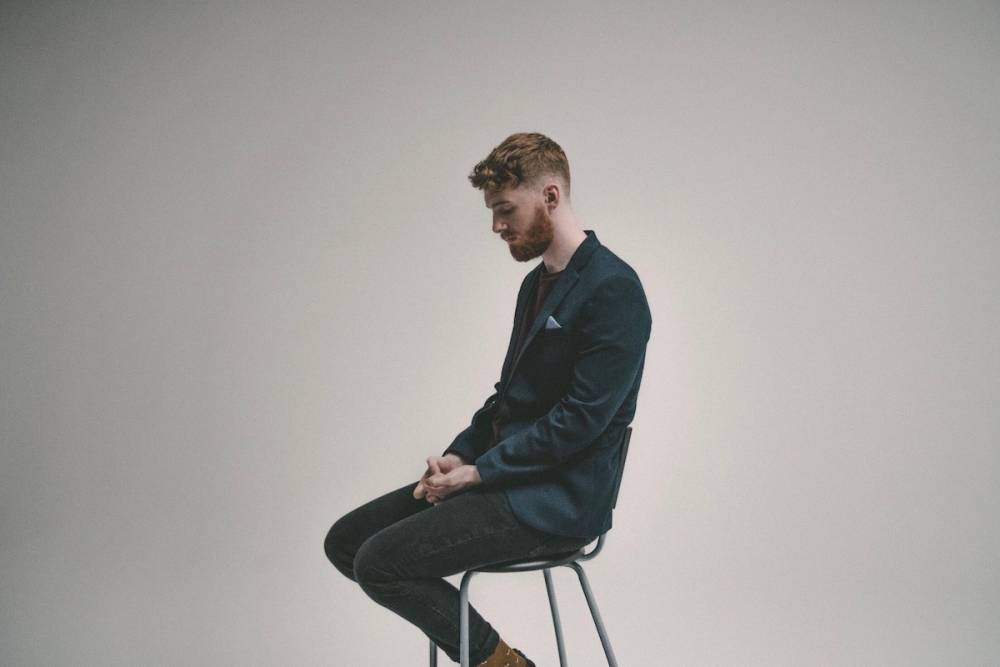
    Aaron Sibley is a London based singer who, at a relatively young age, has performed at Pride In London and competed to represent Moldova in the Eurovision Song Contest. Luke Marlow sits down to talk with him.

    With his new single “Falling Through” out now, THEGAYUK caught up with him to discuss life, music, and all things Eurovision.

    TGUK: Hi Aaron, Welcome to TheGayUK. How has your 2019 been so far?

    AS: Hi, thanks for having me! 2019 has been great so far. I’ve kind of hit the ground running in terms of my music. I have been busy in the studio recording and I have been out, performing, as much as I can. Busy start to the year but I’m loving it!

    TGUK: Tell us a little bit about yourself – where are you from, where do you live – who is Aaron Sibley?

    AS: I am from a small town in south England, and two years ago I decided to move to London to pursue my dream career. Growing up in a small town was great in general but it did have its negatives.

    Being able to express myself was very difficult as I didn’t know anyone else like me. Music seemingly helped me to escape and I put all my confusion and feelings into music.

    Nowadays, my life is mostly an open book, to be honest, and anyone that knows me, know I’m an honest, open, sensitive, motivated and hardworking kind of person.

    “…growing up gay in a small town was not easy and I found myself denying the possibility that I could be different. And even now I am completely comfortable with who I am, nothing can erase that feeling of thinking “I am different to everyone around me”.

    TGUK: Your latest single “Falling Through” is out now – what is it about and what inspired it?

    AS: As I mentioned before, growing up gay in a small town was not easy and I found myself denying the possibility that I could be different. And even now I am completely comfortable with who I am, nothing can erase that feeling of thinking “I am different to everyone around me”. “Falling Through” is the musical personification of the feeling I felt when I was coming out.

    TGUK: There’s an emotional intensity and an honesty to your work – is that important to you? Is exorcising these thoughts and experiences into music a cathartic process for you?

    AS: Oh yes, that’s definitely important to me. I think writing from the heart and drawing from experience whether it’s personal or instinctual is important to me, I find it inspires a truth that is meaningful and that people can relate to it, no matter what their personal experiences.

    Whenever I’m writing music or in the studio, I find it can be a very cathartic process. Sharing music that’s personal almost feels like a therapy session, as if you’re giving a piece of yourself away. My music is very honest and ‘raw’ and this is essential when creating music from the heart. Even though my songs are personal to my life I like to think that they could resonate with an audience (LBGT or otherwise) and they can take something away from it that’s unique to them.

    “Artist’s like Bowie, Elton John, Madonna have been celebrating the ideology of queerness for years and have inspired me; how they constantly broke the mould, were constantly evolving and had their unique style that put a middle finger up to what was expected of them at the time.

    TGUK: In terms of queer artists out there-there are certainly more than ever before but, as a whole, we’re still rather under-represented. Why do you think that is, and Who are your inspirations on that front?

    AS: I think the level of queer representation in the mainstream has flourished in recent years and it’s great to see, but we still have ways to go in terms of queers bands and artists expanding from predominantly ‘gay’ audiences and becoming more widespread. Artists like Years and Years, MIKA, Sam Smith, Frank Ocean have really branched out in terms of their unique sound, style, visual representation and what it means to be queer.

    The fact that the LGBT community have slowly but surely been granted the rights we are entitled to, has allowed for artists and queer music to evolve from being viewed as ‘sub-culture’, ‘niche’ or ‘underground’ to a more universalised sound that allows artists the free reign to celebrate what it means to be queer and introduce new music to wider demographics.

    Artist’s like Bowie, Elton John, Madonna have been celebrating the ideology of queerness for years and have inspired me; how they constantly broke the mould, were constantly evolving and had their unique style that put a middle finger up to what was expected of them at the time.

    “Eurovision music is vastly underrated in the UK

    TGUK: We know you’re a big fan of Eurovision – having competed in the National Finals for Moldova back in 2018. What is it about Eurovision that you think appeals to the Queer community so much?

    AS: Eurovision is a celebration of all things camp! It’s a serious competition that all the artists and countries involved don’t take lightly, however it’s all wrapped up in a nice glittery bow!

    We all love watching fierce women and leather bound men get up and strut their stuff to a cheesy pop song or ballad that gets the audience going wild.

    I, however, love the music side of things. Eurovision music is vastly underrated in the UK. Every year I fall in love with a song, and I might not even understand the language. Eurovision connects people worldwide on a musical level and it’s interesting to hear different sounds that are inspired from all parts of Europe.

    TGUK: How was it being an openly Gay Singer in Moldova for Eurovision – an Ex-soviet State.

    AS: This experience was incredible. My song qualified to the national finals of Moldova, A county with limited LGBT+ presence. I was a little worried before heading out to Moldova as I did not know what to expect in terms of the LGBT community. Unfortunately, they do not have the right to be who they are over there and it is considered still not normal.

    Whilst in the country I was receiving messages on social media from people who were not able to come out, telling me that simply my being there performing in their country gave them Pride.

    The whole experience proved how important Pride still is. And it made me aware that I have a voice to help make LGBT+ people celebrate who they are.

    TGUK: Working as an independent artist can be tricky – but in the last couple of years you’ve competed in Eurovision and sung to crowds at London Pride. What are your ambitions for the next few years?

    AS: I’m just going to carry on working hard, keep laser focused and enjoy the process. Being in London for only two years and perusing a professional music career here for less than that, I’ve achieved quite a lot. BUT I have a long way to go. I am aiming for new opportunities and adventures this year amongst other things. I’m currently in the process of writing and recording a musical inspired EP with a talent LGBT musician friend.

    And I am releasing a new EP on 16th March. I am hoping to perform at more Prides this year and of course pursuing Eurovision once again. I will be performing as much as I can and I am so excited to begin writing new solo music again.

    Thanks to Aaron Sibley for taking the time to chat with us – new single “Falling Through” is out now, and you can check Aaron out at the below links:

    www.aaronsibleymusic.com
    www.youtube.com/aaronsibleymusic
    www.facebook.com/aaronsibleymusic
    www.instagram.com/aaronsibleymusic
    www.twitter.com/asibleymusic


    Photos provided / (C) Aaron Sibley

  • LEAVING NEVERLAND: Filmmaker Dan Reed talks about bringing the stories of the abused to life

    LEAVING NEVERLAND: Filmmaker Dan Reed talks about bringing the stories of the abused to life

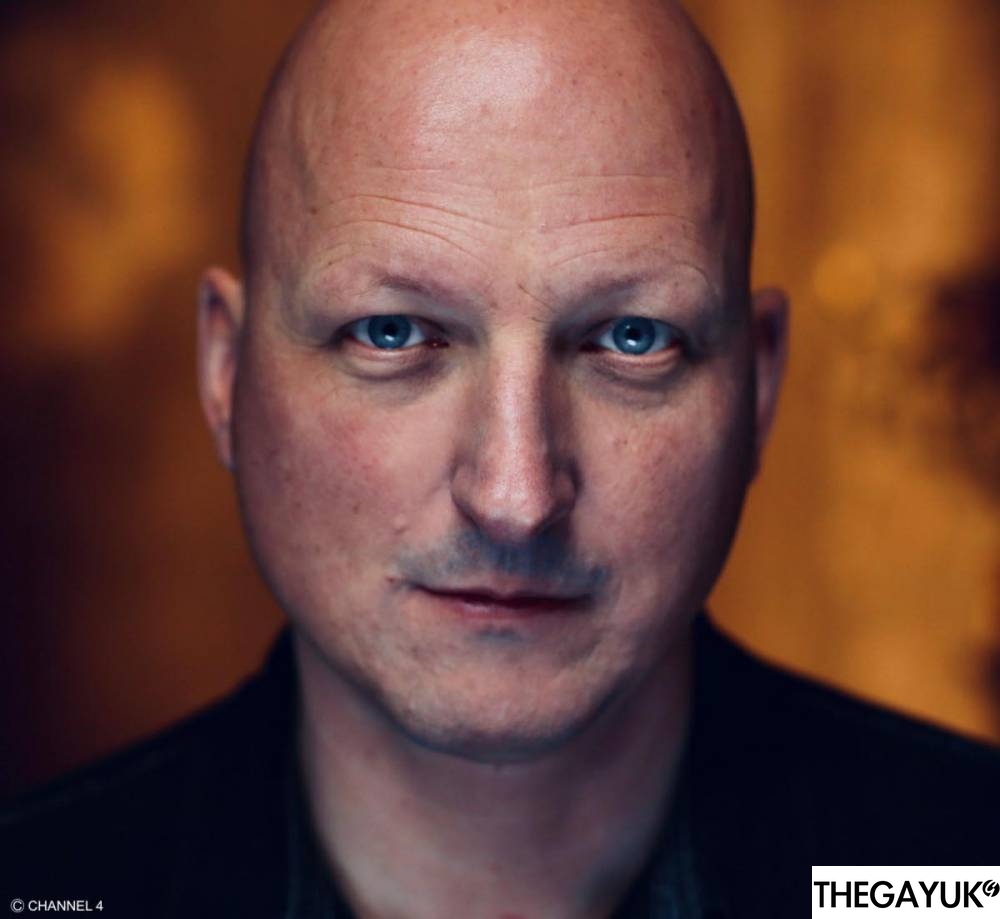
    Filmmaker Dan Reed talks about his filmmaking and about how he captured the stories of Wade Robson and James Safechuck and their life with Michael Jackson.

    Q: You are no stranger to controversial subjects in your documentaries, as you have made films about child predators, terrorists, and international politics. How did you approach the subject matter of this film, which takes place in the world of pop culture and celebrity?

    A: Well, the first point is, that this is not a film about Michael Jackson. It’s about two very ordinary families whose paths crossed with Jackson’s, and the incredible aspirations that he represented. The families fell in love with those good things, not understanding the long-lasting impact this relationship would have on their children and families.

    In my storytelling, I don’t choose to criticize Jackson directly or comment on his actions, motives, or reasons why. I’ve left it quite neutral, deliberately. But make no mistake, the story is one of a criminal sexual predator.

    I wanted people to understand that when a child is groomed by a predator, it’s a very complex relationship. The parents are manipulated. It’s all very gentle and often manifested as love to the child. The families still hang onto the mentorship, love and attention that Jackson brought into their lives, and find themselves grappling with the contradictions of their relationship. LEAVING NEVERLAND: MICHAEL JACKSON AND ME is about both what Michael Jackson gave to them, and what he took away.

    The focus of the documentary is deliberately narrow. I did interview former detectives and prosecutors from the two principal investigations into Jackson, but I realized that the families’ telling of the story was so complete already. The changes within the family – mothers and sons, sisters and brothers, husbands and wives – become the echo chamber of the story. You feel like you are inside the family, and I felt that interviews from the public sphere would break that spell and place us back on the outside.

    Q: What did you bring from your previous filmmaking experience that helped you find the focus of this documentary?

    A: I come from a world of war zones and crime and undercover work, places where I must show the hidden drama, the inner workings and the realities of the things that people don’t see in the headlines. These are the kinds of events that fill us with horror but are often portrayed in a very simplistic way by the 24/7 news media. Making the documentaries about terrorist attacks for HBO, for instance, I used extraordinary archival material and many months of exhaustive research to create a detailed account, told through intimate personal stories, of world events that people think they already know about.

    In many of my more recent films, these stories are in the past tense, and this is really about the drama of the interview, the human face and voice, which I treat with great care. You get a kind of intimacy in the account and the testimony, and the relationship with the interviewer, and that’s something I’ve fallen in love with – the power of testifying, the power of speaking out. The ability of a subject being able to say, “I’m not just going to repeat the official version, but my version, with all of the rich complexity of my own experience.”

    Q: It’s also quite an ambitious way to tell the tale – really limited to archival footage and a small number of sit-down interviews with family members, told in two 120-minute parts.

    A: It’s four hours long because it’s a story that takes four hours to tell in a way that makes it fully understandable in all its complexity. We’re involving our audience in the lives of these families and trying to get them to understand all the complicated family dynamics that evolved over years. Why was it the mothers never realized? How could this have gone on for so long? Why didn’t Robson or Safechuck tell anyone? And why have they decided to speak about it now, after denying it for so long? The answer to all of that is made plain in the film, but you need to watch the whole thing. So much of it is in the nuance of individual behaviour, relationships, and of the bonds between people. You must go on the journey of these relationships to see how all this went down in detail. We are asking people to dedicate some time to best understand and process this extraordinary testimony.

    Q: What was it like working with Safechuck and Robson, whose stories are incredibly complex as they sort through their contradictory feelings for Michael Jackson?

    A: I interviewed them in February 2017, before I interviewed anyone else. Prior to interviewing them, I was willing to give them the benefit of the doubt, but not ready to accept anything at face value. As a journalist and a filmmaker with 30 years’ experience, I approached them with a degree of skepticism, until I knew I could have some confidence, and that what they said was consistent and entirely credible.

    I interviewed Robson first. He’s been on television many times, and he is a very good storyteller – very sharp. We quickly struck up a comfortable relationship speaking very candidly and emotionally about everything. I interviewed him for three days, and my instinct very early was that he was telling the truth. Still, I challenged every aspect and detail of the story, looking for corroboration, interrogating every detail and looking for internal inconsistencies in his account. Then I began to understand what he had been through. I realized – and this was a shock – that from the age of seven he had been very much in love with Jackson, and that this sincere love for his abuser had shaped much of his future behaviour. Wade was very precise, composed and confident. He had already talked about the abuse once in public in an interview with Matt Lauer, but this was the first time he spoke about it in so much detail. And it’s really the detail that opens the way to understanding his story.

    With Safechuck, however, it was the first time he had ever talked to a journalist in his life. His story was completely unheard, and you could really sense him feeling his way through the two days of interviews. You can see from the tone of his testimony that he’s trying to find words, trying to come to terms with the memories, the conflicting feelings of admiration and horror, and it’s a lot more tentative. You can really feel the inner turmoil. The two subjects complement each other very well, and they’re perhaps the most remarkable interviews I’ve ever done because of that.

    Joy and Stephanie, their mothers, were not initially eager to share their story, but they showed a tremendous amount of courage, willing to open up about the mistakes they made. They provide the most essential context for the story of their sons’ sexual relationship with Jackson, of which they were entirely unaware, although it happened right under their noses. Now that they have seen the film, I think they get a sense of how powerful it is to witness someone speaking the truth. They’ve said that they hope their courage can help others speak up, giving permission to other victims and parents who have been fooled by sexual predators.

    Q: Jackson is so ubiquitous as a cultural icon that despite the detail with which the film supports the stories told by James Safechuck and Wade Robson, there are likely to be those who want to overlook, minimize or even ignore the claims of those who have accused Jackson of predatory behavior.

    A: During my research, I spoke to one veteran California investigator who had been involved in more than 4,000 child sexual abuse cases, including the 1993 LAPD investigation into Jackson. He claimed that the star’s MO “fit the true pattern of a paedophile.” Safechuck and Robson describe the classic, step-by-step playbook: you insert yourself into the family so that you can ultimately isolate and separate the child. You charm the parents, usually flattering the mother while keeping the father at a distance until you can substitute yourself – remember, Robson talks about wanting Jackson to be his “real father.” Privately, with the child, you undermine the parents, particularly the mother, which Jackson did to both boys, encouraging them to blame their mothers as their marriages started to fall apart. You become everything to the child: father, brother, mentor, then sexual abuser. The child is overwhelmed and can’t reach out and connect to the things that had previously formed their identity. The veteran detective also pointed out that it’s not unusual for victims to stay silent until many years after the sexual abuse has ended, once emotional and behavioural problems begin to surface.

    Leaving Neverland: Michael Jackson and Me, 6th & 7th March at 9 pm on Channel 4

  • INTERVIEW | Rob Ward on writing a gay love story in the boxing and travelling community

    INTERVIEW | Rob Ward on writing a gay love story in the boxing and travelling community

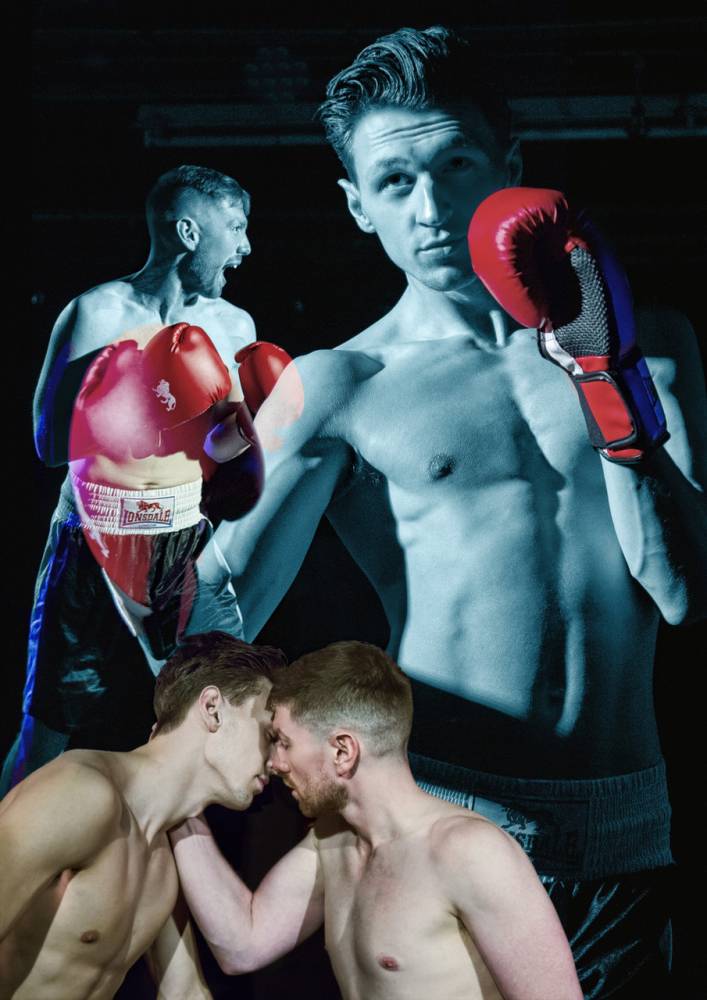
    Can two men raised to fight ever learn to love?

    Gypsy Queen, a play by writer and actor Rob Ward is about just that, and looks at how social and cultural expectations within the boxing world and the Travelling community impact on two of the sports best fighters. With homophobia in sport still in the spotlight and with more sportsmen starting to come out, THEGAYUK chatted to Rob about his play, what he feels would benefit gay athletes, putting theatres in gyms, and how a headscarf can change everything.

    TGUK – Thank you for chatting to us Rob. To start with, can you tell us what Gypsy Queen is about?

    RW – It is fundamentally a gay love story about two men who meet in, and come from, worlds which as far as sexuality is concerned, are two of the most difficult. They are both boxers, and both are in the midst of a testosterone fuelled environment as they fall in love and have to keep their love secret from their family, trainers and the media. The play looks at modern day masculinity; but for one of them, “Gorgeous” George O’Connell, he also has to contend with his traveller background, which is a community where attitudes towards homosexuality, masculinity and religion all combine. All of these elements come together to create discussions points arising from the play, but ultimately, and at its heart, it is a good humoured love story.

    TGUK – And where did the story come from?

    RW – A few years ago, boxer Tyson Fury made a number of comments about the gay community, appearing to conflate abortion and homosexuality with paedophilia and saying homosexuality will contribute towards the end of the world. At the time, I had a short 10 minute play about two gay boxers and I was trying to find way of expanding the story when Tyson Fury made his comments. I wondered why he was so hung up on people being gay, and I thought “what if he is gay himself?”, and this led to opening up of the character I now have in the play. At the time, there were calls for the BBC to remove Fury from the Sports Personality of the Year shortlist that year, but they didn’t. I really wanted there to be a reflection of this in the play. The media have a certain responsibility in my view, and there was a real sense of public feeling that the BBC were holding him out as a role model, when actually he should have removed him from the shortlist for his comments.

    TGUK – There is a real issue with homosexuality in mainstream sport, how does Gypsy Queen address that?

    RW – It’s really important to tell this story; it is about having gay sporting role models. I am interested in writing about outsiders, and for me growing up as a sports fan, I saw no gay role models in that world. I was brought up in a very sporting family. I was in a very male dominated world during my upbringing, I went to an all-boys school, I was in a family which were very sporty, and for me it was incompatible to be into sport and be gay. Things are very slowly changing. There are people like Tom Daley and Gareth Thomas who have come out, but there are few openly gay professional sportsmen.

    Looking at the boxing world, there are still many homophobic comments made. There are still no out footballers in the UK – you still get incidents of homophobia in football; recently a Chelsea fan was suspended for making homophobic chants at an away match in Brighton. Last year, we had an ex-professional German [football] player come to see the show. He told us that he had come out after he had retired, even though he was playing as late as 2012 or 2013. He talked about how he kept his sexuality secret because of a lot of locker room banter from players; and homophobic comments being freely and openly made; for example, he spoke about how one of the other players was having a massage session with a physiotherapist, who said “if you were gay, I wouldn’t be letting you touch me”.

    TGUK – What do you think is needed in professional sport to address the issue of sexuality?

    RW – We have initiatives like Stonewall Rainbow Laces, but campaigns like these don’t get the mass media coverage which is needed, and you have clubs turning schemes like this down. It is almost like some clubs are paying lip service to the issue. There is a real need for change and it has to come from the boardrooms. There is, in my view, a real lack of understanding of diversity in sport, and the powers that be in the sporting world need to get to grips with it to affect long term positive change.

    TGUK – This is the third tour for the show; was coming back to it like slipping back into a well-worn pair of boxing gloves?

    RW – Absolutely. We are just about finishing rehearsals, and in respect of the main show we were able to get up to speed with it quite quickly; but this time round we have a special performance in a boxing gym in Manchester, and for this, we have planned a family friendly version of the show so that some younger members of the gym can come to see the play. Doing a toned down version has been interesting, as we have had to cut out the swearing and the nudity for that one show; and it is often difficult to avoid going into auto-pilot and sticking to the original script which contains both.

    John Askew and Ryan Clayton (c) PR supplied

    TGUK – So in terms of the main play, has it changed much from previous tours, and is there anything new for people who have seen the show before?

    RW – The show has developed over the years. Early in the initial tour, when we had been able to gauge the reaction of an audience, we did develop some aspects of the play further to reflect how people had reacted, and to look at what worked well and what needed revisiting. As with any new piece of writing, you often never quite get the sense of how a scene works until it is in front of an audience, and so throughout the 2017 tour, and into the summer of that year at the Edinburgh Fringe, we got the show to where we were happiest with it. On this tour, we have had a great actor by the name of John Askew join us for part of the tour and when he came into rehearsals, he had some fresh ideas and suggestions. As a writer and a performer, I like rehearsals to be collaborative; you want people to express their opinions on things. It’s really useful to get a second perspective. We had it nailed down with Ryan Clayton, who will be sharing the role with John; but when John first came into the rehearsal room, there were some tweaks and changes, so in many ways, there has been a constantly evolving process with the play.

    TGUK – What type of reaction have you had from the travelling community and the boxing community?

    RW – One of the things we hope to achieve is to reach out to new audiences. The travelling community is difficult to access, but we have reached out to a travelling community in Newport, and we are hoping that they are able to come to the play.

    It was really interesting, as when we were performing in London, we had a gay traveller come along to the show and he spoke with us afterwards, saying how one of the things he liked most about the show was the realism of it. He was a writer for the Traveller Times, and he had previously written about the how the comments made by Tyson Fury historically did not represent what Traveller men are like; he said that there was an image portrayed by the media in terms of the travelling community, and that in the play, whilst there are displays of masculinity and homophobia in the community, there is the possibility for individuals to be different and for them to move away from what has been the dominant view of the community historically.

    We do try to show balance within the portrayal of the Travelling community, there is toxic masculinity and an old school catholic view, but it is important to show that not everyone subscribes to that mind-set. In terms of the boxing community, it has been very difficult because when you play theatres, you appeal to certain audiences; which are why on this tour, we are trying to reach out to gyms and groups with a sporting interest. This tour is the first time we are taking the show into a gym, and I’m really looking forward to seeing how they react. We have had people in theatres leaving when the two lead characters started kissing, but during the first run we did in Edinburgh, a friend was in the audience and told us that there were two Irish lads behind him who came out of the theatre saying “I wasn’t expecting that, I thought it was just about boxing, but it was alright that”.

    Rob Ward (c) PR supplied

    TGUK – Gypsy Queen has just two actors playing multiple roles. Was that a creative choice or more to do with the financial constraints of putting on a new piece of theatre?

    RW – Initially, one of the themes of the play was to question “what is masculinity” and I liked the idea of two actors playing cocky, Northern, hard lads who, with something as simple as putting on a different shirt or a headscarf, transform into the camp boyfriend or the foul mouthed mother. As a general style, I have always liked seeing people playing multiple roles, as it is quite theatrical and, for the performer, it’s quite fun and playful. I ultimately want my writing to be fun to watch and fun to perform; and I think that the audience also enjoy spotting the visual cues about which character is coming on stage next. I liked the juxtaposition and thought it would be really interesting to go from these hard boxers to these softer characters, but as the show develops, you see that the characters that appear to be the softer, more gentile ones, such as Dane, the camp, flamboyant boyfriend, are actually incredibly strong in their own right, and this is reflected in how the story develops.

    TGUK – Gypsy Queen is heading out on tour now, but what plans are there for the show after that?

    RW – We are really excited to be taking the show to Canada and have just had confirmation of the booking there. We would like to tie this in the USA as well; so from a theatre point of view, we would like to get the show touring the US and Australia. We are also looking at the possibility of a screenplay for the show, so that is incredibly exciting in itself. But for now, our focus is on the current tour and putting everything we have at it to make it a piece of must see theatre for not just the gay community but also the wider community.

    Gypsy Queen is now on national tour, details of which can be found at www.gypsyqueentour.com


    YOUR SUPPORT MEANS EVERYTHING

    Help us deliver unique, usable and reliable journalism that supports the gay, bisexual and curious community of the United Kingdom. Can you help protect LGBT+ media? Publishers like us have come under severe threat by the likes of Google and Facebook. The problem is that advertisers are choosing to put their money with them, rather than with niche publishers like us. Our goal is to eliminate banner ads altogether on site and we can do that if you could pledge us a tiny amount each month.

    We’re asking our readers to pledge just £1 per month, more if you’re feeling swanky. You can stop payment at any time.

    It’s quick and easy to sign up and you’ll only have to do it once.

    Click to start the journey and support THEGAYUK!