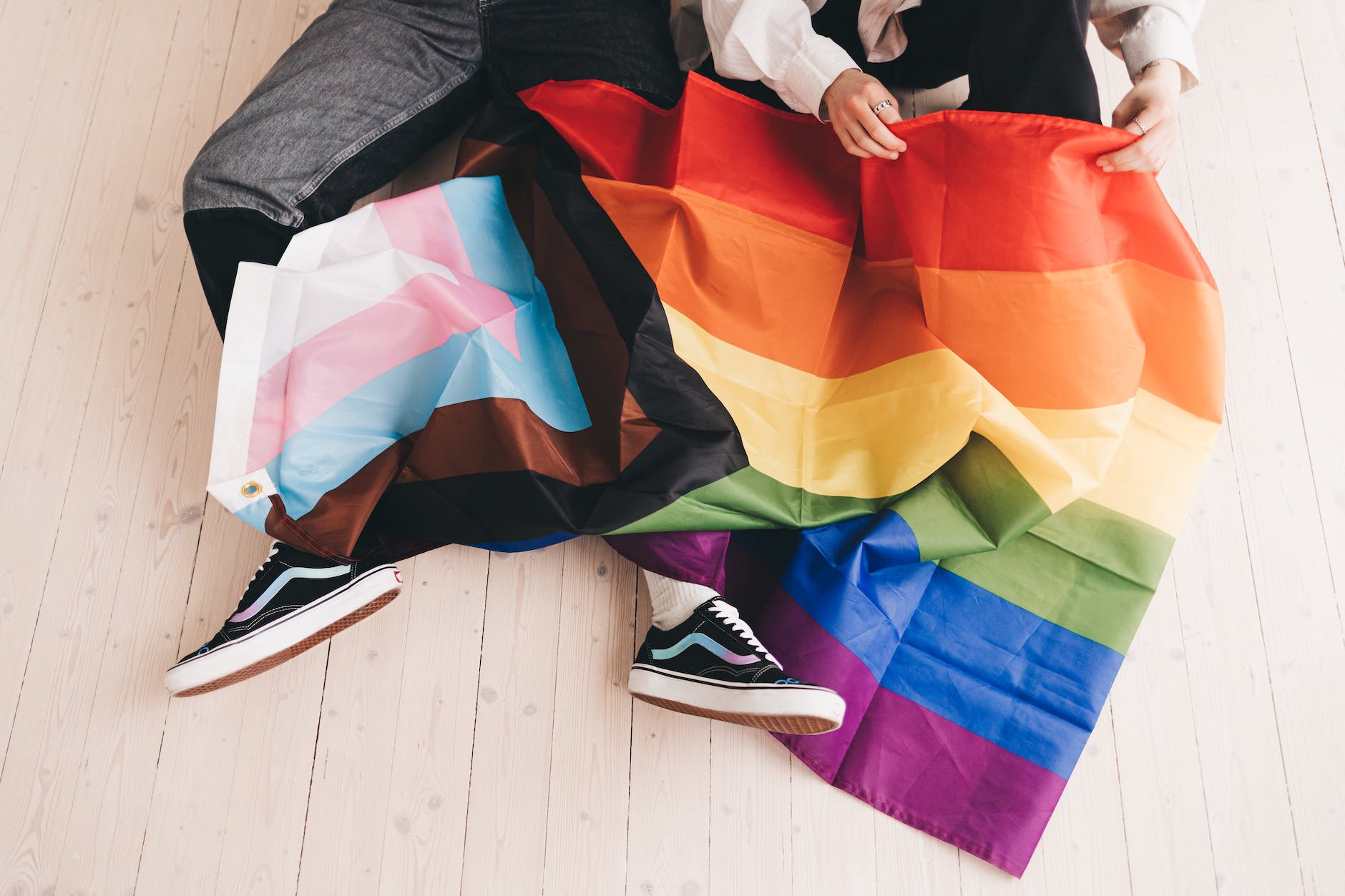
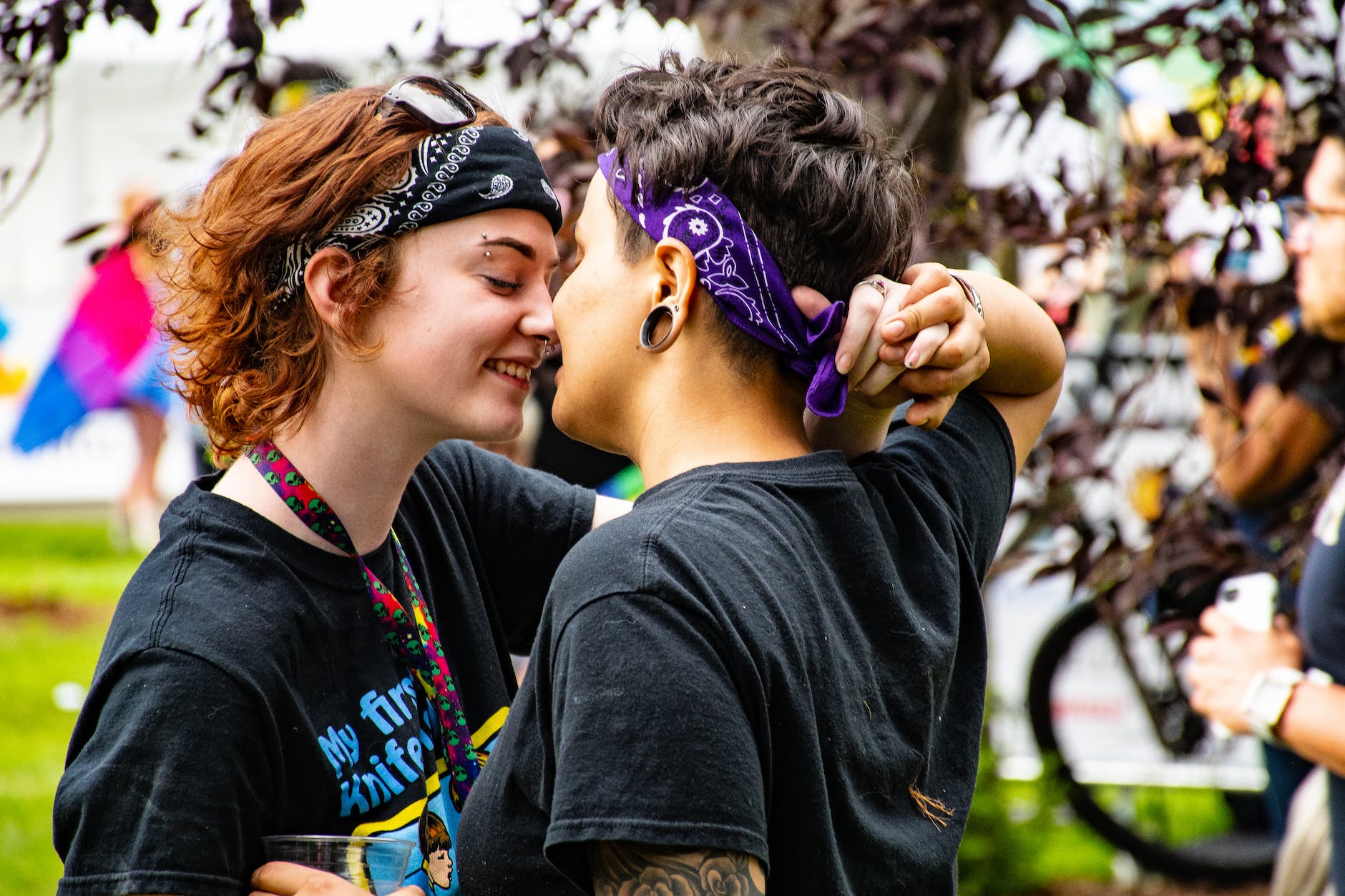
It’s early for 2024 pride dates, but some UK prides have already put their dates in the diary for 2024. Luckily we’ve found a handy website which lists all the prides in the UK and their dates. Although it’s still early, there are some prides like Student Pride and Pride In London which have already announced their 2024 dates.
THE PRIDE SHOP has been keeping tabs on all of 2024’s pride events in the UK, of which there are now over 180, so you’re never far away from a pride, wherever you happen to be.
What UK Prides have announced their 2024 dates already?
So far, Student Pride, Trafford, Birmingham, Mayo, Canterbury, Cardiff, Exmouth, Essex, Luton, Portsmouth and London are some of the events that have announced their dates.
The UK tops the list in Europe for the number of prides in one country, and comes second, only to the US in the world for the number of prides.
Pride Dates for 2024 have already been announced by some committees.
What month do most prides take place?
The majority of the UK’s prides take place in July and August, although like the majority of the world Pride Month is celebrated in June and LGBTQ+ history month is observed at the beginning of the year in February.
Who organises pride in the UK?
Most prides are organised by volunteers in their local areas. There are a few prides which are organised by companies, larger organisations or even local authorities. There is no one main organiser, although many prides are a member of the UK Pride Organisers Network.
The first Channel Islands Pride was held in 2015. It took place in St. Helier, the capital of Jersey. Since then, it has become an annual event celebrating the LGBTQ+ community and promoting equality and diversity.
Where are the Channel Islands?
The Channel Islands are located in the English Channel, between the coast of Normandy, France, and the southern coast of England. They consist of two main islands, Jersey and Guernsey, as well as several smaller islands. The Channel Islands have a rich history and unique cultural identity.
In addition to these, there are several smaller islands that make up the Channel Islands. Some of the smaller islands include Alderney, Sark, Herm, and Jethou.
Who’s headlining Channel Island’s Pride 2023?
The Main Stage line-up for Channel Islands Pride 2023 has been unveiled, promising a fantastic array of talent. British band Five, known for their hits like “Keep on Movin’” and “Got the Feelin’”, will headline the event at People’s Park in St Helier. Joining them on stage will be a lineup of drag acts and Eurovision semi-finalists, including Tomara Thomas, Mercedes Bends, Paige Three, Flesh, and Miss Leigh Ding.
Christian May, the director, expressed excitement about the exceptional musical and drag talent that will embody the spirit of Pride. He eagerly awaits the participation of everyone in the People’s Park to be a part of this extraordinary celebration. Five, a band that originated in the late 90s and now consists of Scott Robinson, Ritchie Neville, and Sean Conlon, will entertain the crowd with their energetic performances.
Ellie Prohan, from Kiss FM and Kiss Fresh, will be the headline DJ for the event. Described as an advocate for women, intersectionality, and marginalized communities, Prohan is expected to bring an electrifying atmosphere to the Pride festivities.
What else is happening at Channel Island’s Pride?
The Pride Village will feature various zones, including a Family Zone, Community and Wellbeing Zones, Bars and Food Village, as well as an area dedicated to our furry friends. Additionally, the Jersey Electricity Main Stage, hosted by Dr Adam Perchard, the Cabaret Stage, and the Silent Disco will showcase talented local singers, bands, and performers such as Sister Disco and Shea.
Mr May expressed his gratitude to sponsors such as Jersey Electricity and the Government of Jersey for their support in making Channel Islands Pride the largest free public event in Jersey. The festivities will begin in the Royal Square at 13:00 BST on 16 September, with celebrations continuing in People’s Park and Victoria Park from 14:00 to 22:00. The event promises to be a truly special occasion that celebrates diversity, equality, and the LGBTQ+ community.
Yep. There are still pride events up and down the country. Find out which ones are nearest you with our handy pride guide to UK Prides.
According to THE PRIDE SHOP’s ultimate pride diary, there are at least 5 prides this coming weekend,16th/17th September, including a transgender pride in Northern Ireland.
The Channel Islands, Teignmouth in Devon, Whitehaven in Cumbria, and Wolds in Yorkshire will be celebrating their LGBTQ+ community with pride events taking place this weekend.
The first Pride event in the UK, known as the UK’s first official Gay Pride Rally, took place in London on July 1, 1972.
The event, organized by the Gay Liberation Front, saw around 2,000 participants marching from Trafalgar Square to Hyde Park. It was a significant milestone in the LGBTQ+ rights movement and marked the beginning of an annual tradition of Pride celebrations in the UK.
Since then, Pride events have grown in size, visibility, and importance, spreading to various cities and regions across the country. At last count, there were over 170 prides in the UK. The UK boasts two of the largest prides events in the world in London and Brighton.
Why do we still have pride?
Pride events continue to be important for several reasons:
Celebration of Identity: Pride events are an opportunity for LGBTQ+ individuals to celebrate their identities, express their true selves, and feel a sense of belonging. These events provide a safe and supportive environment where people can come together and embrace their authentic selves without fear of judgment or discrimination.
Visibility and Representation: Pride events help to increase visibility and representation of the LGBTQ+ community, both within society and in the media. By being visible and vocal about their existence and rights, LGBTQ+ individuals and allies can challenge stereotypes, break down stigma, and promote acceptance and understanding.
Advocacy and Activism: Pride events serve as platforms for advocacy and activism, allowing the LGBTQ+ community to raise awareness about the issues they face and work towards positive change. Through marches, protests, speeches, and workshops, Pride events amplify important social and political messages, pushing for equality, justice, and LGBTQ+ rights.
Community Building: Pride events foster a sense of community and solidarity among LGBTQ+ individuals and allies. They provide spaces where people can connect, network, and build supportive relationships. These events often feature community organizations, resources, and services that contribute to the overall well-being and empowerment of the LGBTQ+ community.
Historical Significance: Pride events commemorate the history and progress of the LGBTQ+ rights movement. They serve as reminders of the struggles and achievements of those who came before, honoring their legacy and paving the way for future generations. Pride events acknowledge the ongoing fight for equality and the work that still needs to be done.
What can you expect from a Pride in the UK?
Attending a Pride event is a unique and vibrant experience that offers a wide range of activities and celebrations. While each Pride event may have its own distinct features, here are some common elements you can expect:
LGBTQ+ Parades or March: Pride events often kick off with a colourful parade or march, where participants walk, dance, and celebrate through the streets. The parade showcases a diverse range of LGBTQ+ individuals, community organizations, allies, and floats representing different causes.
Festivities and Entertainment: Pride events typically include live performances, music concerts, drag shows, dance parties, and other forms of entertainment. You can expect a lively and celebratory atmosphere, with a variety of artists, performers, and DJs taking the stage.
Community Engagement: Pride is an opportunity for LGBTQ+ individuals and allies to come together and engage with community organizations, advocacy groups, and supportive businesses. You’ll find booths, stalls, and information centres where you can learn about resources, support networks, and activism opportunities.
Pride Merchandise: Pride events often feature vendors and stalls selling a wide range of merchandise, including rainbow flags, clothing, accessories, pins, stickers, and various LGBTQ+ pride-themed items. It’s a chance to show your support and purchase items that represent your identity and pride.
Workshops and Panel Discussions: Many Pride events also host educational workshops, panel discussions, and speaker sessions covering various LGBTQ+ topics, such as activism, health and wellness, legal rights, and social issues. These provide opportunities for learning, dialogue, and community empowerment.
Visibility and Expression: Pride events are known for their acceptance and celebration of diverse identities. Attendees often express themselves through colourful costumes, unique fashion, body art, and creative displays of individuality. Pride is a space where people feel free to be themselves without judgment.
Inclusive Environment: Pride events strive to create a safe and inclusive environment for all attendees. They promote acceptance, respect, and equality for LGBTQ+ individuals and their allies. You can expect a supportive atmosphere where you can celebrate, connect, and feel a sense of belonging.
Cisgender is a term that has gained recognition and importance in recent years when discussing gender identity and diversity. In this article, we will delve into the meaning and significance of cisgender, shedding light on its definition, usage, and common misconceptions.
What does Cisgender mean?
Cisgender refers to individuals whose gender identity aligns with the sex they were assigned at birth. Put simply, if a person was assigned female at birth and identifies as a woman, or was assigned male at birth and identifies as a man, they are considered cisgender. The term “cis” comes from the Latin word meaning “on the same side as,” emphasizing that cisgender individuals’ gender identity aligns with societal expectations based on their assigned sex.
The Importance of Understanding Cisgender
Recognizing and understanding cisgender individuals is crucial for fostering inclusivity and promoting a better understanding of gender diversity. By acknowledging the experiences of cisgender individuals, we create an environment where all identities are respected and valued.
Debunking Misconceptions
There are misconceptions surrounding the term cisgender which contribute to a lack of understanding. One common misunderstanding is that being cisgender is the “default” or “normal” identity. It’s essential to remember that cisgender is just one of many valid gender identities, and no one identity is superior to another.
To fully comprehend the concept of cisgender, it’s important to compare and contrast it with transgender. Unlike cisgender individuals, transgender individuals have a gender identity that does not align with the sex they were assigned at birth. This distinction highlights the diversity and complexity of gender identity.
Respecting All Gender Identities
In a world that is becoming more inclusive and diverse, it is crucial to respect and appreciate the identities of all individuals, regardless of whether they are cisgender or transgender. Understanding cisgender is one step towards fostering an inclusive society where everyone’s gender identity is recognized and respected.
In the rest of this article, we will explore the origins and evolution of the term cisgender, delve into its significance within the LGBTQ+ community, and examine its role in promoting equality and inclusivity. Stay with us as we unravel the layers of this important topic and deepen our understanding of gender identity.
What does cisgender mean?
Cisgender refers to individuals whose gender identity matches the sex they were assigned at birth. In other words, if you were assigned female at birth and identify as a woman, or if you were assigned male at birth and identify as a man, you are cisgender. The term “cis” is derived from the Latin word meaning “on the same side as.” It is used to differentiate from transgender individuals, who have a gender identity that differs from the sex they were assigned at birth. Cisgender is a descriptive term that helps to recognize and validate the experiences of those whose gender identity aligns with societal expectations based on their assigned sex.
Is cisgender a slur?
No, the term “cisgender” is not a slur. It is a neutral and descriptive term used to refer to individuals whose gender identity aligns with the sex they were assigned at birth.
Who can be cisgender?
Anyone whose gender identity aligns with the sex they were assigned at birth can be cisgender. This includes individuals who were assigned female at birth and identify as women, as well as individuals who were assigned male at birth and identify as men. Gender identity is a deeply personal experience, and it is important to respect and recognize the identities of all individuals, regardless of whether they are cisgender or transgender.
What does “Assigned at birth” mean?
The phrase “assigned at birth” refers to the practice of labeling or designating an individual’s sex based on certain physical characteristics observed at the time of their birth. This assignment is typically made by a medical professional based on external genitalia, and it is commonly recorded on official documents such as birth certificates.
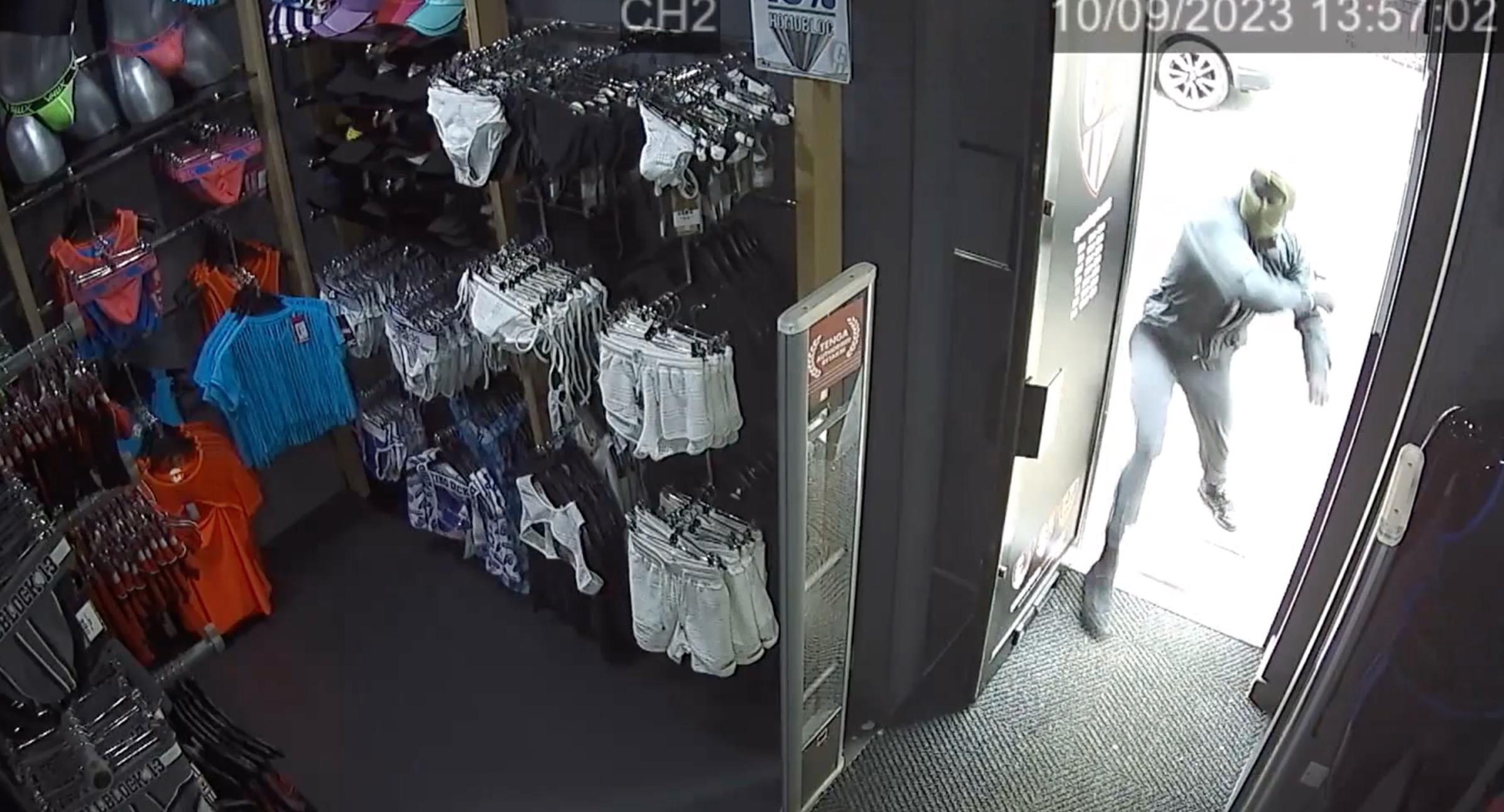
One of the UK’s busiest gay sex shops, in Manchester, CloneZone has suffered 5 terrifying attacks on its shops. The latest attack was in broad daylight while the shop was open.
The latest attack on the shop happened on Sunday, September 10, 2023, at around 2 pm.
Preliminary investigations into this incident indicate that two individuals, riding a motorbike, approached the store. Their initial attempt to shatter the windows, fortified with iron bars due to prior assaults on the establishment, proved unsuccessful. Subsequently, they resorted to hurling objects at both the entrance doors and the security apparatus affixed outside the premises.
This destructive act resulted in an estimated £3,500 worth of damage.
Detectives, following a review of the CCTV footage, have reason to believe that the motorbike employed in this attack is the same one used in a previous incident back in May 2023. They are now seeking assistance from the public in locating this particular bicycle.
Chief Inspector Steve Wiggins of GMP’s City Centre Neighbourhood Team, said:
“So far, we have arrested a person but we know that there is someone out there who knows where this bike is and who it belongs to and we are urging them to reach out to us.
“We appreciate that the images in the CCTV image are not of the best quality, but we are releasing them in the hope that someone was able to witness this attack and can come forwards with information.
“The attacks are very specific, with all five attacks showcasing the same style of offending to one specific shop, with offenders arriving on bikes and causing significant damage. We are keen to find out the motivations behind the attacks which will assist us with tracing those responsible and bringing them to justice.
“This is the fifth attack on this business in the last four months and this cannot continue. We are doing everything in our power to investigate the incidents whilst protecting the business.
“We have a dedicated specialist unit investigation in addition to patrols being conducted by neighbourhood officers, and we hope this goes someway to reassure the local community that we are committed to protecting the public.
“The neighbourhood officers who are out and about are approachable so please come and speak to us if you have any concerns or information that may help us.
“Community intelligence is crucial for us to focus these patrols in the right areas at the right times to catch individuals involved in crime so please report anything which appears suspicious and out of the ordinary to police.
“Crimestoppers is offering a £2,000 reward for information given to them directly that that leads to the arrest and conviction of any involved. This information can be passed anonymously through the Crimestoppers independent charity on 0800 555 111. “Information regarding the bike or if you can identify the men in the image information can also be passed by calling officers on 0161 856 3345 or via 101.”
A lesbian is a woman who is romantically, emotionally, or sexually attracted to other women. Lesbianism is a sexual orientation that forms part of the broader spectrum of human sexuality.
Where did the word lesbian come from?
The word “lesbian” derives from the Greek island of Lesbos, which was the birthplace of the ancient Greek poet Sappho. Sappho’s poems often expressed her love and attraction towards other women, and over time, her name became associated with female homosexuality. Therefore, the term “lesbian” gradually came to refer to women who have romantic, emotional, or sexual attractions to other women.
Is the word lesbian controversial?
The word “lesbian” itself is not inherently controversial. However, like any term related to sexual orientation, it can be a source of controversy when used inappropriately or with prejudice. It is important to respect and acknowledge the diversity of sexual orientations and to create a supportive and inclusive society for all individuals, regardless of their sexual orientation. Using the term “lesbian” in a respectful and inclusive manner contributes to a more inclusive and understanding society.
Why do some women use lesbian while others use gay?
The terms “lesbian” and “gay” are often used interchangeably to describe individuals who are attracted to the same sex. However, there may be personal preferences or cultural influences that lead some women to identify as lesbians while others may prefer the term gay.
In general, the term “lesbian” is more commonly used by women who are exclusively attracted to other women, emphasizing their specific sexual orientation. On the other hand, the term “gay” can be used by both men and women to describe their same-sex attractions.
Is there a lesbian flag?
Yes, there is a lesbian flag. The most commonly recognized lesbian flag consists of horizontal stripes of different shades of orange and pink, with a white stripe in the centre. The orange stripes represent gender non-conformity, the pink stripes represent femininity, and the white stripe represents the inclusivity of all genders.
Who are some famous lesbians?
Here are a few examples of famous lesbians:
Ellen DeGeneres: Ellen DeGeneres is a renowned comedian, television host, and advocate for LGBTQ+ rights. She came out as a lesbian in 1997 and has since become an influential figure in the LGBTQ+ community.
Jodie Foster: Jodie Foster is an acclaimed actress and director. While she initially kept her sexuality private, she publicly acknowledged her relationship with her long-time partner, Alexandra Hedison, in 2013.
Megan Rapinoe: Megan Rapinoe is a professional soccer player who gained international recognition as a key member of the United States women’s national soccer team. She is openly gay and has been an outspoken advocate for LGBTQ+ rights.
Portia de Rossi: Portia de Rossi is an Australian-American actress known for her roles in television shows like “Ally McBeal” and “Arrested Development.” She is married to Ellen DeGeneres and has been open about her identity as a lesbian.
Please note that this is just a small selection of famous lesbians, and there are many more individuals who have contributed significantly to various fields while being open about their sexual orientation.
Can a trans woman be a lesbian?
Yes, trans women can be lesbians however some also use the term Transbian. A trans woman is someone who was assigned male at birth but identifies and lives as a woman. However, there is some controversy surrounding the issue of who can be and identify as gay or lesbian within some sections of the LGBTQ+ community and can be open to debate.
Some people determine that sexual orientation is based on sexual biology and others determine it by gender identity. It is always best to ask how someone might identify rather than make assumptions.
As with most sex positions in the Karma Sutra, the python can be adapted for a gay male couple. For straight couples the python is described as such:
How a straight couple would do the python sex position
The male partner lies flat on his back; while the woman straddles him and lower herself onto his penis. Then slowly the woman stretches out so she’s lying straight on top of him, aligned arm to arm, leg to leg. She then holds his hands, extends her arms out to her sides and lifts her torso like a snake ready to strike.
He keeps his feet flexed so you can push against them with your toes for leverage.
This position won’t work particularly well for two men, but with a slight adjustment it will work – all you have to do is simply reverse the person on top as explained below.
Here’s how to adapt the Python Sex Position for two men
Have your partner recline flat on his back, legs together, and arms resting by his sides.
The bottom should astride the top, on his knees, facing away as though he’s about to do the reverse cowboy, and lower himself onto the top’s penis or strap-on dildo.
Once the bottom has fully accommodated the top, he should gently lay back, maybe using his arms to take some of his weight. Eventually, you should be able to lie flat on top of the top. You should try and get your limbs aligned. Ultimately the easiest way to think of this position is hugging your bottom from behind, but lying down.
A word to the wise, if you’re not both weight matched and your bottom is heavier than your top, you may need to use your arms to support his weight.
Basically at this point both bodies should be alligned together looking sort of like a snake(!) but of course not really.
This position is great for tight spaces and for an unexperienced bottom to control the top’s movement and thrusting power.
Want more gay sex positions? Check out our very own gay Karma Sutra
As schools and universities prepare for the return of students following the summer break, we examine the guidelines and guidance regarding Covid.
What’s the current status?
The current situation presents a mixed picture. According to the most recent data for England from the UK Health Security Agency (UKHSA), Covid case rates and hospital admission rates, as identified through hospital testing, have stabilised after recent increases, although they were relatively low to begin with.
However, some data, such as that obtained from swabs of GP patients as part of a monitoring initiative, suggests a potential uptick in case rates. Additionally, there has been a rise in A&E visits for Covid-like symptoms.
Furthermore, a new variant, named BA2.86, has entered the scene. Scientists are closely monitoring it due to its numerous genetic mutations, which raise concerns about its potential to evade immunity from vaccination and prior infection. Nonetheless, experts emphasize that there is insufficient data at present to accurately assess the risk posed by this variant.
Are there any rules and regulations?
The last legal restrictions related to Covid were lifted last year, leading to the end of regulations governing social gatherings, mask-wearing mandates, and self-isolation requirements.
In England, a “living with Covid” strategy was implemented instead.
The government attributed this shift largely to the success of the vaccination campaign and the development of improved treatments for those afflicted with the virus.
What should I do if I contract Covid?
While legal restrictions have been lifted, experts advise the continued observance of certain precautions.
If adults or children exhibit Covid-like symptoms, experience a fever, or generally feel unwell, the NHS recommends that they attempt to stay at home and minimize contact with others. However, children with mild symptoms can still attend school or childcare if they are feeling well enough.
The NHS advises individuals under the age of 18 to remain at home and minimize contact with others for a duration of three days following a positive Covid test result. For those aged 18 and over, the recommended isolation period extends to five days. Both age groups are also encouraged to refrain from interacting with vulnerable individuals for the subsequent 10 days.
Professor John Edmunds from the London School of Hygiene & Tropical Medicine suggested that additional preventive measures could also prove beneficial. He noted that while a widespread resurgence of mask-wearing and regular hand washing may be unlikely, these practices can still contribute to reducing the spread of the virus.
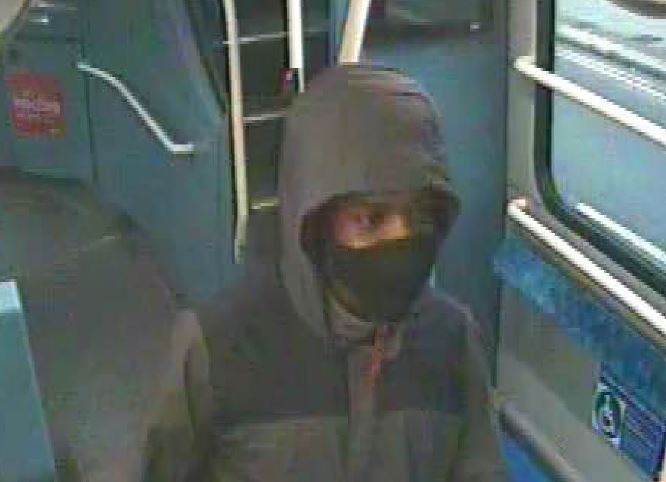
Detectives investigating a homophobic attack on two men outside the Two Brewers in Clapham have issued fresh images of the man they want to trace.
The images were taken from a route 50 bus in Thornton Heath at approximately 20:30hrs, before the incident.
Detective Chief Inspector Jivan Saib from the local policing team in Lambeth leads the investigation and said:
“These images provide a clearer picture of the person we need to identify and locate following this shocking attack. I would urge people to look at these images – do you know this man? Do you recognise the clothes he is wearing?
“If you can help identify him then please get in touch.”
The incident happened at approximately 22:15hrs on Sunday, 13 August as the two men stood outside a nightclub – they were approached by a man who attacked them with a knife before running away.
Both men, aged in their 20s and 30s, were taken to hospital for treatment and have since been discharged.
Officers continue to follow-up a number of lines of enquiry provided by witnesses and members of the public as they work to locate and arrest the suspect.
There are also ongoing patrols in and around the area of Clapham High Street which will continue over the coming days.
PC Hayley Jones who is the dedicated LGBT+ Community Liaison Officer (CLO) for Lambeth and Southwark added:
“We understand some people from the LGBT+ community may not have the confidence to speak to police; my role was introduced to provide a dedicated LGBT+ point of contact to support the community and advise on investigations where homophobia and transphobia is a motive. You can contact me directly for advice and support, or to assist this investigation.”
Anyone with information is asked to contact police on 101 or tweet @MetCC and quote CAD 7198/13Aug. You can also provide information anonymously to the independent charity Crimestoppers on 0800 555 111.
If you wish to contact the Lambeth and Southwark LGBT+ CLO please contact PC Hayley Jones on 07825101104 or Hayley.Jones@met.police.uk.
In South London, a distressing incident unfolded where two gay men became victims of assault, echoing the homophobic stabbing near The Two Brewers bar in Clapham that occurred a mere week earlier. The unfortunate recipients of this attack were Michael Smith and his partner Nat Asabere. Their ordeal unfolded while they waited for a bus around 11 p.m. in Brixton on Saturday, August 19.
This incident followed their participation in the UK Black Pride event earlier in the day.
The assailant, an unfamiliar man, confronted the couple, subjecting them to violence. Asabere was struck at the back of his head, while Smith endured a series of “three or four” punches to his face. Fearing for their safety, they managed to escape onto a bus. The extent of Smith’s injuries came to light only after they had fled, eventually leading to medical treatment.
Recounting the events to the BBC, Smith shared, “Fortunately, my instinct to flee kicked in, and we sought refuge on that bus. It was then that I noticed blood staining my shirt, leaving me bewildered about its source. The taste of blood in my mouth and its presence on my hands, along with the sensation of a significant split in my lip, became apparent.”
No Arrests Made
As of now, no arrests have been made, and law enforcement is treating this incident as an act of homophobia. This attack follows another disturbing event where two men were stabbed outside the Two Brewers in Clapham on August 13, just over a week prior. The victims of that incident were men in their 20s and 30s, attacked by an individual wielding a knife.
Authorities at the Metropolitan Police are actively pursuing the perpetrator.
Although the attacks transpired within close proximity and a short timeframe of each other, the Metropolitan Police do not believe there is a connection between the two incidents. The aftermath of the assault has left Asabere grappling with headaches, while Smith struggles to come to terms with the incident and its impact on him emotionally.
Smith expressed the growing concern over escalating anti-LGBTQ+ sentiments contributing to heightened hostility against the community. In response to this ordeal, he is raising funds for Stonewall, an organization dedicated to LGBTQ+ rights.
Reflecting on his decision to take action, Smith shared, “I had to channel all those complex emotions into something positive. That’s why I initiated a fundraiser and chose to speak out. I understood that if I kept silent, it would only eat away at me.”
Individuals with information regarding the attack are encouraged to contact the police at 101, referencing case number 8673/22AUG. For those who have witnessed or been victims of hate crimes, seeking help is strongly advocated. The police can be reached at 101, Crimestoppers at 0800 555 111 for anonymous tips, or via the True Vision website. In emergencies, dial 999.
Time was when you could download gay porn for free from plenty of the big porn websites like Pornohub, Pornotube, Xhampter or GayTube – some of the big websites don’t even exist anymore, so where can you download gay porn from?
Well, luckily if you search for gay porn you’ll still find a bunch of sites that will allow you to down their content. Now here’s a disclaimer – we’re not condoning copyright theft, so beware when you download content for free, you’re very likely stealing someone’s work.
We did a quick check and yes you can still download from XVideo and a few others. Some have very visible “Download” buttons – which makes it pretty simple to download the content, while others take a few more clicks to get that good stuff onto your computer.
Sadly although Pornotube seems to allow you to download content, when you right click on a playing video, it actually just downloads a m3u8 file. Whatever that is. So back to the drawing board on that one.
However you can download from XVideo, GaySearch and Boyfriend.TV although you will need a login for each of those sites.
It’s worth noting however that Xvideo only allows you download in two definitions, 360 and 240, both of which are terrible for viewing on larger screens.
BoyfriendTV allows you to download up to 720i, which is much much better.
One website that we found quite useful is site called GayMaleTube which acts a link site to loads of different websites with 1000s if not hundreds of thousands of videos. Lots of those sites allow you to download their content.
As with anything you download from the internet, be wary for scams, virus and other nasties that might be lurking on a website. If it doesn’t feel legit don’t download from it.
Virus?
Downloading files from the internet can pose some risks if you are not cautious. While it’s not extremely common to catch a virus solely from downloading a file, it’s important to be aware of the potential dangers and take precautions to protect your computer.
Here are some tips to reduce the risk of catching a virus while downloading:
Use reputable sources: Download files only from trusted websites and sources. Avoid downloading from unknown or suspicious sources, as they may contain malware or viruses.
Scan files before opening: Run a reliable antivirus scan on any downloaded files before opening them. This will help detect and eliminate any potential threats.
Keep your software up to date: Ensure that your operating system, antivirus software, and other applications are regularly updated with the latest security patches. This helps to plug any vulnerabilities that hackers may exploit.
Be cautious with email attachments: Exercise caution when downloading email attachments, especially from unknown senders. Malicious attachments are often used to spread viruses.
Enable a firewall: Activate a firewall on your computer to help protect against unauthorized access and potential malware.
Remember, staying vigilant and practicing safe internet browsing habits are crucial in minimizing the risk of downloading viruses or other malware.
What is porn?
Porn, short for pornography, refers to explicit material, such as videos, images, or text, that is created for the purpose of sexually arousing individuals. It typically depicts sexual acts and nudity. Pornography can come in various forms and genres, catering to different preferences and fetishes. It is important to note that consuming or distributing pornography should always be done responsibly and within the boundaries of legal and ethical considerations.