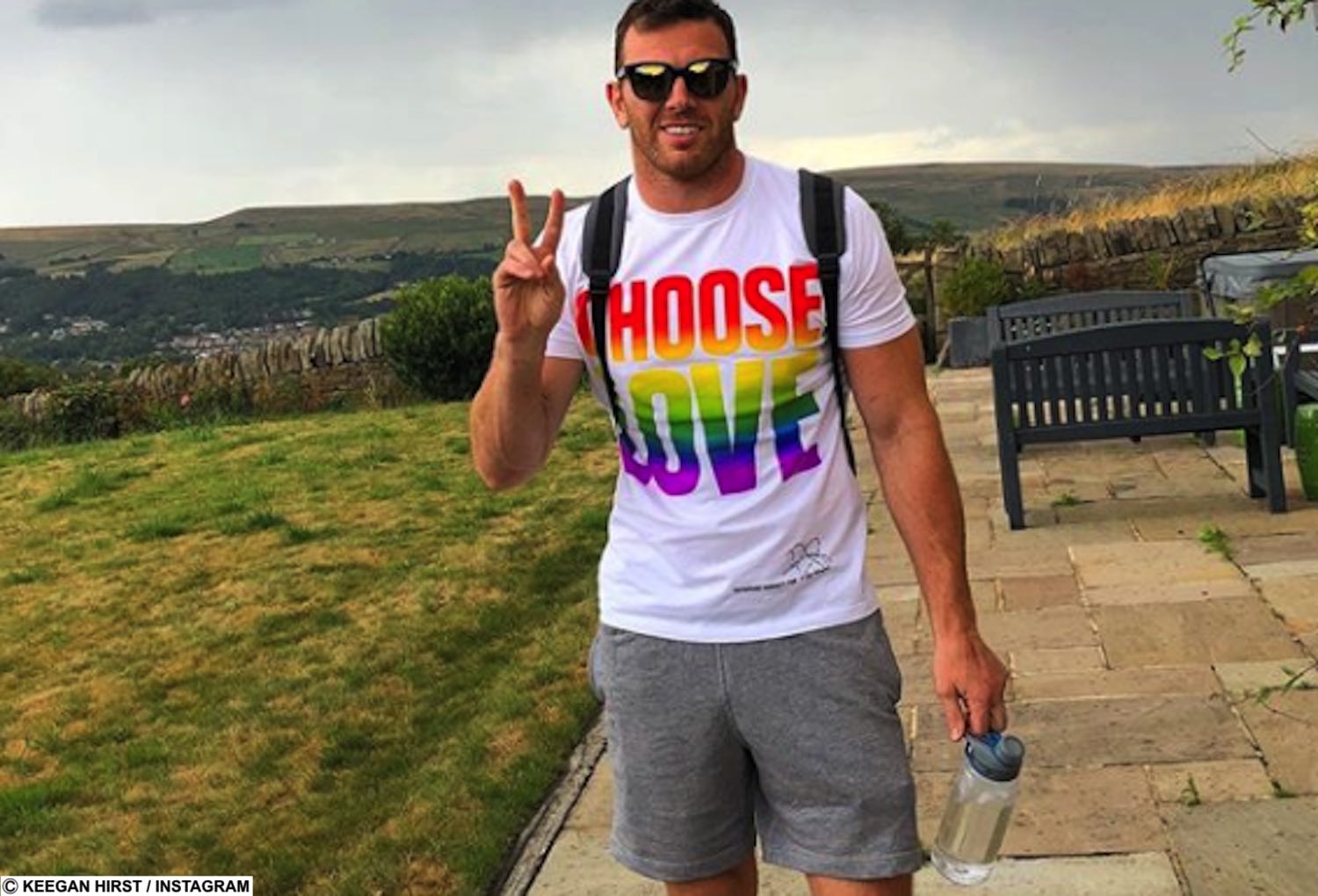
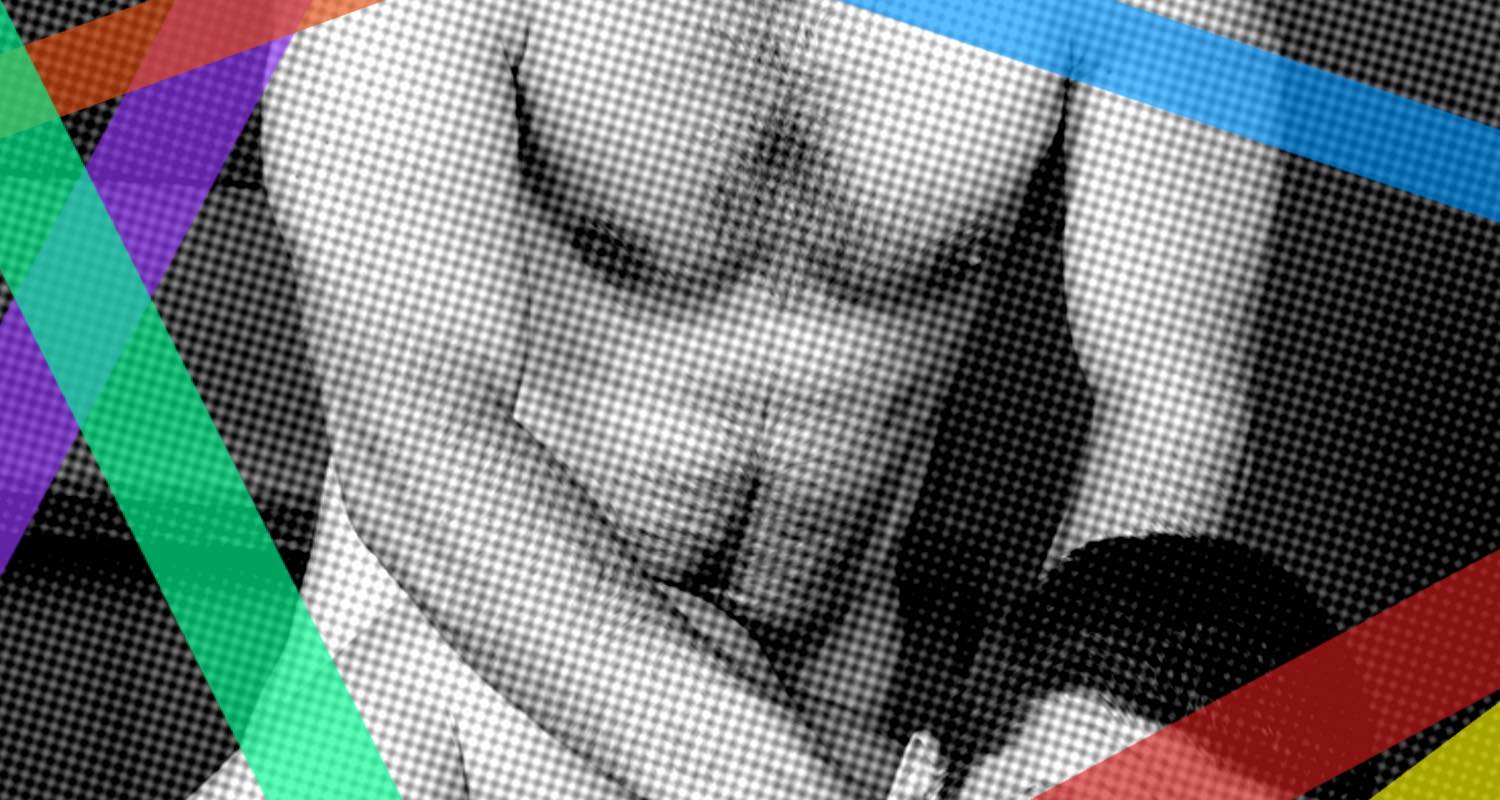
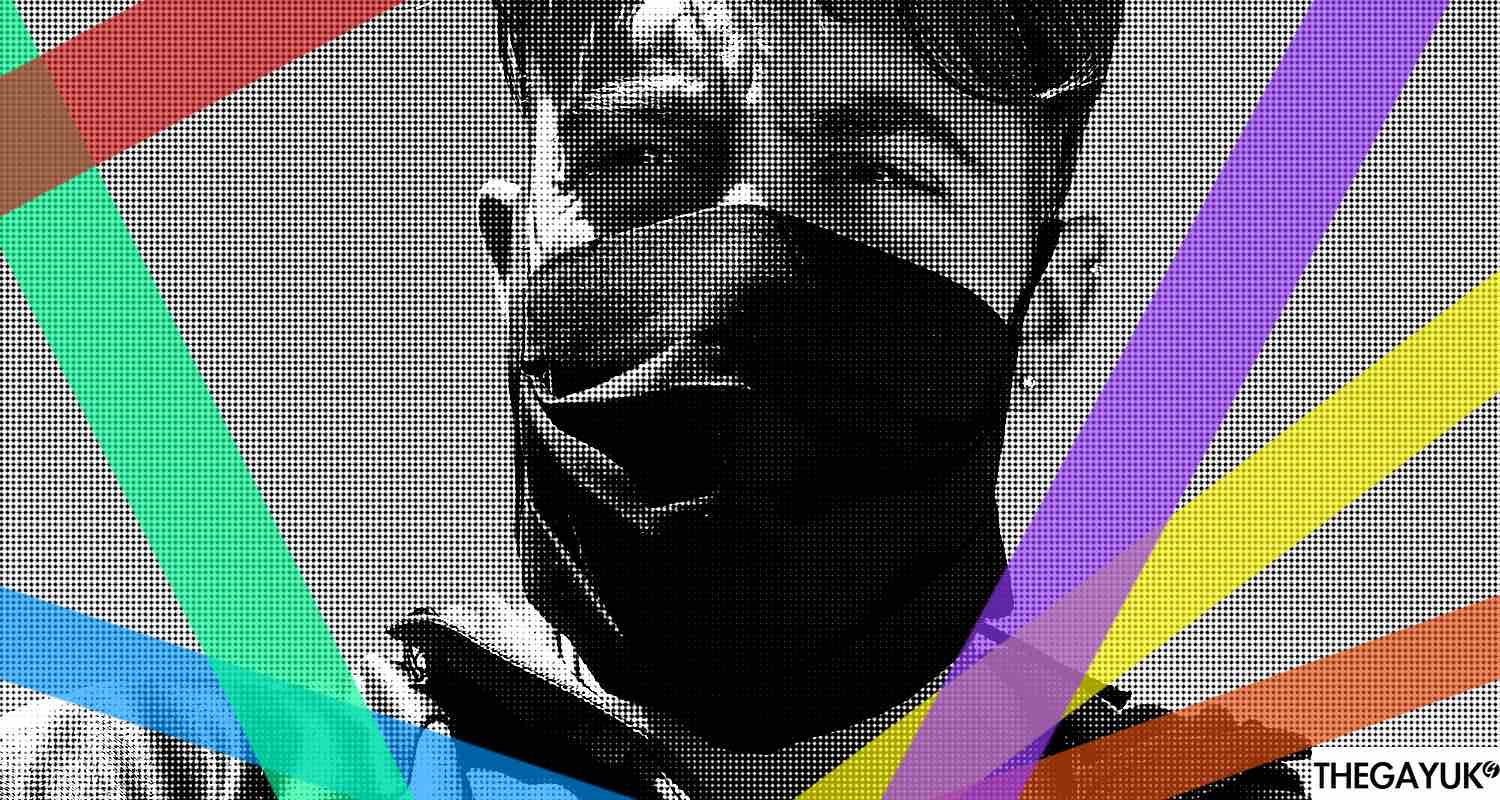
Keegan Hirst has written about what it’s like to get, have and maintain abs and it sounds freaking exhausting.
In a lengthy Instagram post, Keegan Hirst, who now runs his own online coaching website has laid bare that having and getting abs is a difficult task and opened up the conversation about why and if they are actually important to have.
In the post, Keegan wrote that people have put “abs on a pedestal” and that abs equal status, “especially if you’re gay” he added that they are seen as “attractive, desirable and sexy”, but he warns, “what people don’t tell you about is how hungry they feel trying to get ‘beach ready’.”
[totalpoll id=”120823″]
Anxiety surround abs
He also revealed that there was anxiety in keeping hold of the abs and how toxic they can become to your mental health, especially if someone has “attached their self worth to their image”.
He then explained that keeping in shape came with “trade-offs” and that it was up to you on what you were willing to compromise on in order to real the goal of visible abs.
He then laid out 3 steps on how to get a set of abs, including the tip that no amount of sit-ups or crunches would get you abs.
He also explained that you just can’t cut any corners to get them. So throw away the electric ab toners and “skinny coffee”. He suggests, “You just need to be in a sustainable, calorie deficit until you get there. ”
Third, he says that keeping that all elusive 6 pack is a mindset, saying, “Abs may be made in the kitchen, but they’re maintained with your mindset.”
Most importantly, he added that we shouldn’t attach our happiness to gaining a set.
You won’t need to steal and end up behind bars to get a message from Lea, but it’d be criminal not to get a message from this Orange Is The New Black star.
Gus Kenworthy
£124.50
CREDIT: Gus Kenworthy / Instagram
We only hope he doesn’t do the message while on the slopes!
Maybe he’ll sing “Bye Bye Bye” at the end of his message!
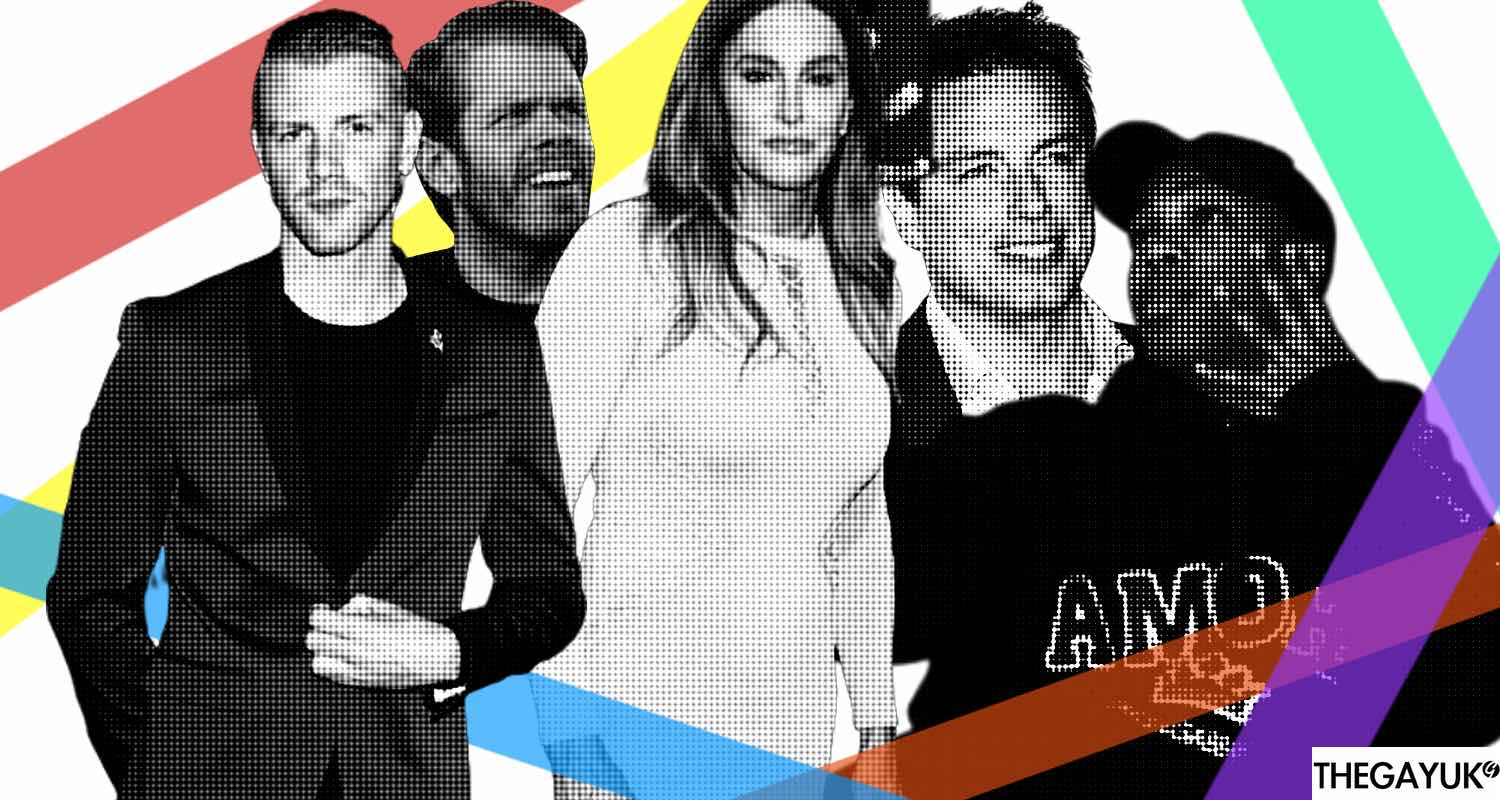
Caitlyn Jenner
£2075
If you want GOLD you’re going to have pay GOLD. Ms Jenner is by far the most expensive LGBT voice on Cameo. We’re wondering what family secrets she might spill for a couple of K.
By the time the Stonewall riots took the modern LGBT+ fight for equality into the public arena, the fight for gay rights, in the UK, had actually become over a decade before, when a report into homosexuality recommended that it be criminalised. It took over ten years for that report to be acted upon.
Laws around homosexuality differ from region to region in the UK meaning that gay people in Scotland and Northern Ireland had to wait a lot longer for equality.
Homosexuality became legal in Scotland in 1980 and in Northern in 1982.
Homosexuality was legalised in England and Wales on the 27th July 1967, a decade after the Wolfenden Report recommended that homosexuality should be decriminalised. The Sexual Offences Act was changed to decriminalise homosexuality, up to a point and only if three conditions were met:
that the act was consensual
that both parties were 21 or over
and the act was done in private.
Up until that point, men who were found to be having sex with other men were often charged with Gross Indecency or Buggery charges.
Thousands of men were criminalised because of this law. They were often sent to prison.
When the law changed being gay still wasn’t equal to being straight. The age of consent was 21 and all sexual acts had to be done in private. it wasn’t until the new millennium, that laws pertaining to gay and straight sexual acts were equalised.
As it stands today, it is currently legal to be gay, lesbian, bisexual and transgender across the UK, whether you’re in England, Northern Ireland, Scotland or Wales. Laws surrounding discriminating because of sexuality or gender expression are very strict in the UK and include employment and business services.
A poll of 2,000 UK adults who play an instrument found a huge 89 per cent think playing music keeps them mentally balanced.
More than a quarter report a ‘sense of clarity’ when practising their instrument of choice, while 56 per cent feel a deep sense of relaxation.
And 36 per cent even said playing music gives them a sense of purpose in life – while they’re playing.
The research was commissioned by Spotify to mark the music-themed episode of its wellness-focused Where is My Mind? podcast, whose host Niall Breslin said, “The great thing about music is that it has a way of connecting us so simply and yet in a very powerful way.
“We wanted to explore why music is so powerful. What is it about music that makes it such an incredible therapist for us when we need it the most?”
The podcast episode will feature the ‘Lockdown Ukulele Rockdown’ – a special track created with more than 400 amateur ukulele players, who were gifted instruments to play while shielding.
Band member Emma Cooke said: “Learning the ukulele was such a challenge, but not thinking about the news or being attached to social media was hugely satisfying and gave me a sense of purpose.
“I will definitely continue playing and would encourage anyone who finds themselves in isolation and facing challenges with their mental health to do the same.”
The research also found those who play an instrument will typically spend an average of two hours and 50 minutes practising or jamming each week.
But while more than a third believe they’ve ‘mastered’ their instrument of choice, 47 per cent admitted they are yet to reach that level of expertise.
And 16 per cent of those polled via OnePoll believe it’s not possible to fully master an instrument, and there will always be something new to learn.
Three quarters use playing music specifically as a way to de-stress, while 74 per cent said that just picking up their instrument – with no intention to even play it – can make them feel better.
More than half (54 per cent) will have a playing session to decompress after a hard day at work, while a fifth have used music to help after a breakup.
Other times music lovers turn to their instrument when they’re feeling stressed include worrying about money (34 per cent) or dreading an upcoming event (30 per cent).
On average, instrument playing adults can go just under a week without playing something before they think their mental health starts to deteriorate.
A separate study of 2,000 UK adults also found 88 per cent listen to music regularly to help manage their moods, while 40 per cent would share music with a friend or family member to help with their mental health or lift their mood.
More than a third also spend time listening to podcasts when they want a boost to their mental health – with 15 per cent even saying true crime is their genre of choice to feel better.
Niall Breslin added: “The Where is My Mind? podcast explores different coping skills for the ever-changing, always-on, challenging world we’re now living in.
“We operate in a culture that rewards only doing, pushing harder, working more, training more, and being more.
“There’s no room for simply being. We are all chasing some moment of enlightenment, that thing that will finally make sense of the world, that will finally make us happy when so often, happiness is right under our noses.
“This series, I wanted people to come on a journey with me, as we look at how we can slow the hell down and literally rewire our brain with the power of what’s right in front of us.
“Music existed for me when words failed. More importantly, Music has always been my therapist when no one else knew how, and I believe this is also the case for so many people; whether it’s playing or listening to music.
“And it’s a really rewarding thing to do, to learn a musical instrument.”
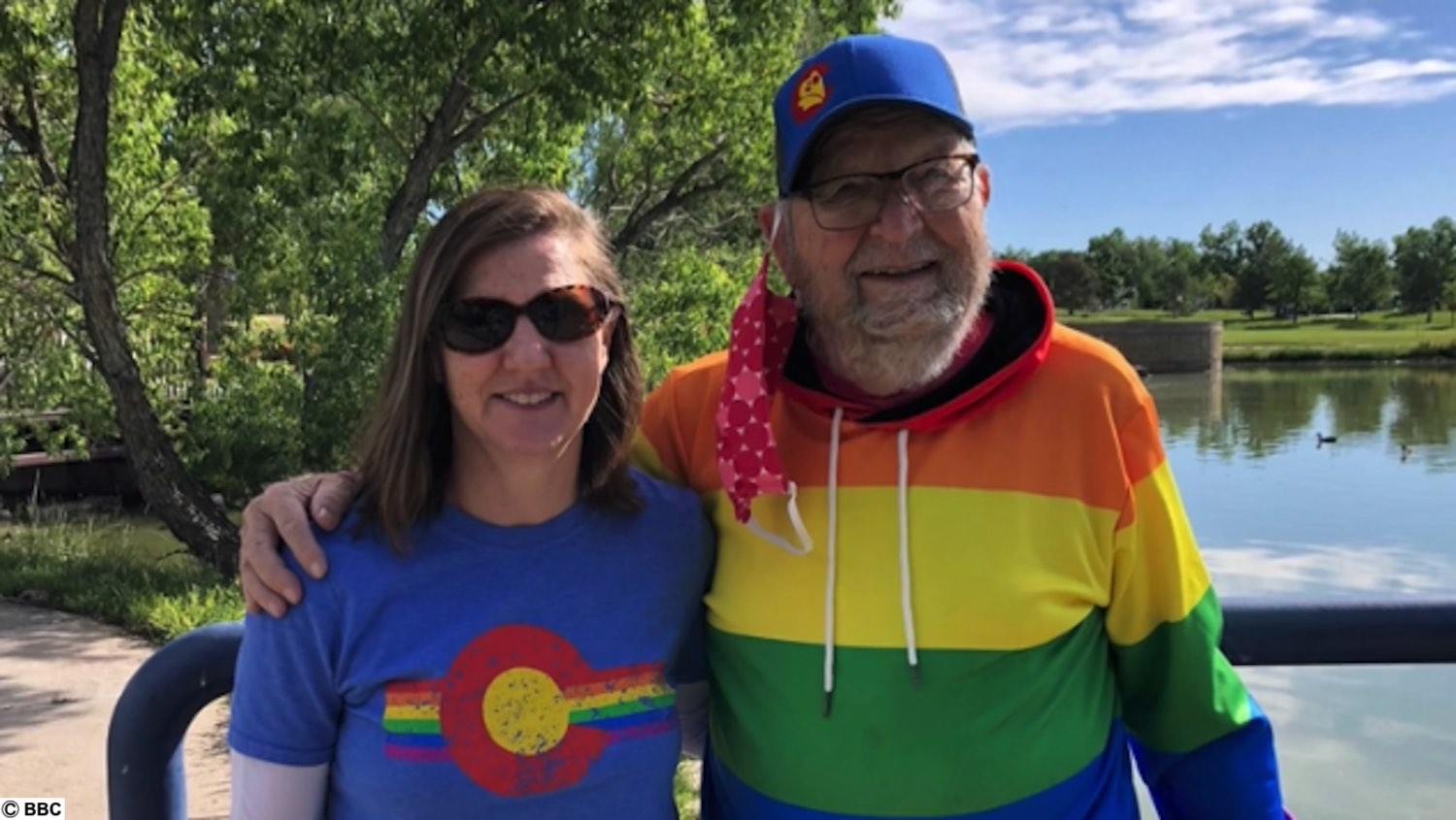
In a totally heart-warming story, a man in his 90s is able to finally come out after using the lockdown to come to terms with his true identity.
90-year-old Kenneth Felts comes out as gay proving it’s never too late to live your true self.
Kenneth who lives in Colorado used his time in lockdown to write his memoirs, which brought back lots of memories. He said he never planned to come out at all, making his sexuality a secret and taking it too the grave.
His daughter, Rebecca says that she’s so happy he can be himself now.
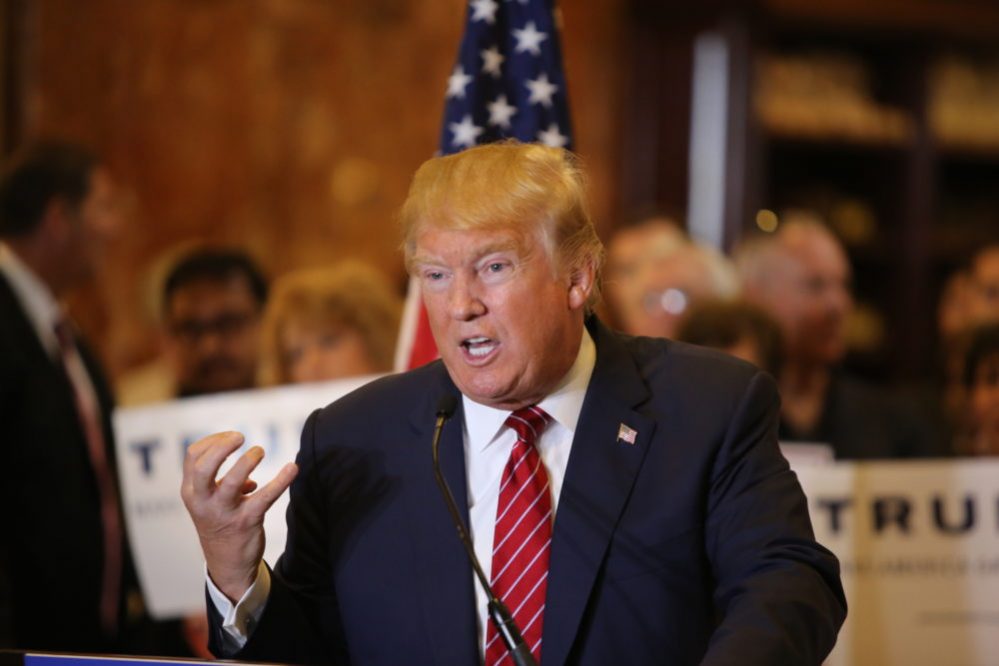
Donald Trump‘s administration allegedly sent out a memo, detailing how officials might spot a transgender person, in order to identify them if they were to try and gain access to Government-funded homelessness shelters. Specifically, the memo was looking to demonstrate how a federal employee might be able to determine if a person, standing in front of them, trying to gain access to a woman’s homelessness shelter, was a transgender woman or not.
In a highly controversial move, the memo included information which might help an employee determine a person’s biological sex rather than gender identity. It outlined features such as height, facial hair and whether the person in question had an Adam’s apple and characteristics which “when considered together, are indicative of a person’s biological sex”, according to Snopes.com.
According to the site, the memo was released in July 2020 and listed physical characteristics, “in order to identify incoming transgender people at federally funded homeless shelters”.
The memo was a 29-page documentary, titled, “Making Admission or Placement Determinations Based on Sex in Facilities Under Community Planning and Development Housing Programs.”
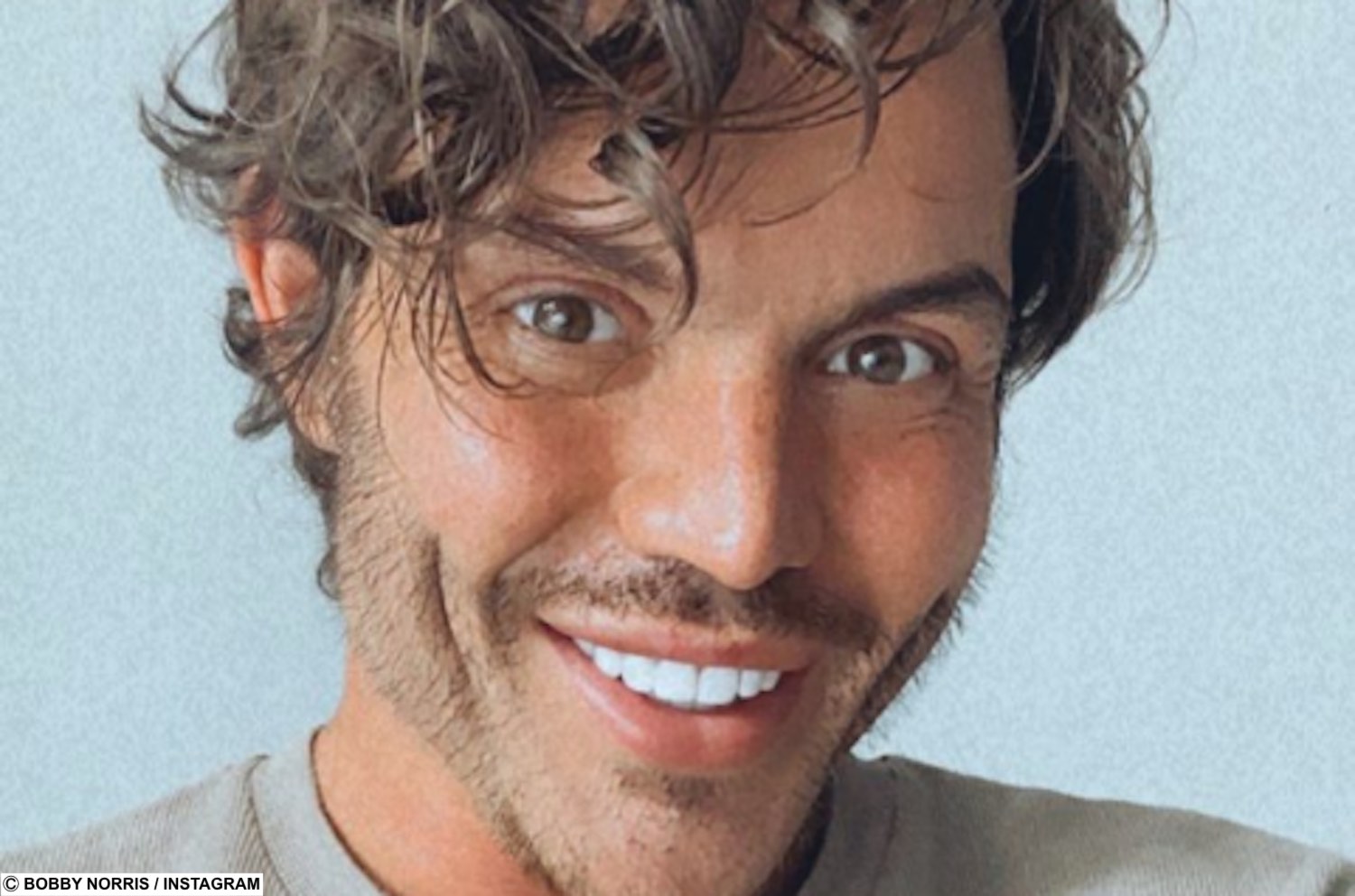
Bobby Norris hasn’t been to the hairdressers since lockdown began and fans are going wild for his natural curl.
The reality star, turned LGBT+ activist, Bobby Norris has revealed that he’s not been to get his haircut since lockdown began, back in late March and his locks are looking incredible, so much so, fans are begging him not to go back to his old style.
Publishing a picture of his do, Bobby showed off a longer than usual style, complete with natural curls. He captioned the picture, “Has anyone else still not been to the hairdressers since lockdown?!” Fans, of course, went wild for the reveal.
One eager fan wrote, “I love this look! So handsome” while another commented, “I actually think this look suits you so well”.
One fan actually pleaded with the TV star not to cut his hair as it was “blooming gorgeous”.
Of course, Bobby has been making headlines of late with his crusade of ridding the Internet of homophobic hate, calling upon Boris Johnson and the Tory government to make online trolling illegal in the UK.
Did you know, it’s not that uncommon for guys to lose their boners while they’re bottoming? It could be the horniest thing in the world, but sometimes with all the will in the world, a hard dick can be as elusive as a coherent Donald Trump press conference.
A cock that won’t play along can cause frustration both for the bottom and top. For the guy being penetrated a flaccid peen can be a cause for concern, for the top – there’s always the worry that their partner isn’t having a good time.
Rest assured, a flaccid penis while being fucked is that not uncommon for the bottom, and tops – it doesn’t necessarily mean your partner is having a bad time.
So why do some bottoms lose their erection during sex?
Well, no one quite knows and it might not be a one answer fits all scenario. Some guys lose their erections because of alcohol, chems or even sniffing poppers. Some can lose it because they’re concentrating on other things, like relaxing or tensing – depending on what’s happening down there, some may lose their erections because of medical issues, like prostate cancer recovery, or certain types of doctor-prescribed medications.
The key is not to freak out about it.
Keep an eye on the situation and get to know your body and how it reacts.
However, if you think your erection issues might be caused by something else, it’s always worth reaching out and having a chat with your doctor.
Remember not every sexual encounter has to have a solid hard erection in order for it to be a successful sexual encounter. Nor does it have to end with everyone climaxing.
If you’re having fun and both having a good time and there’s no pain (outside of the normal feelings of anal sex) then crack on.
Want to know some tricks on how to reduce discomfort while being fucked? Click here.
Considering that homosexuality is banned in the majority of Commonwealth nations John Barrowman‘s gay kiss certainly raised a few eyebrows back in 2014.
During a live performance in Scotland for the opening ceremony of the 2014 Commonwealth Games, actor and singer John Barrowman grabs a dancer in a kilt and kisses him in front of millions of viewers around the world.
The kiss mirrored a number of other same-sex kisses that have happened during a live TV broadcast. In 2012, the Eurovision showed two same-sex kisses during its live broadcast, and during the 2012 London Olympics opening ceremony, the first lesbian kiss ever on a British soap was replayed.
We all know about condoms, right? Well, what counts as safer sex in the COVID pandemic?
With hundreds of new confirmed cases of COVID-19 still being diagnosed in the UK, it’s not advised to have sex with anyone, but, you know it’s still going to happen, so how can you reduce your risk of infection, if you decide to hook up with someone?
Well, it’s pretty simple in reality. Wearing a face mask and not kissing, are just two things you can do, which will eliminate some of the risks, and just sex is thought to be safer than kissing. But, please don’t mistake, you are still at risk.
Two ways of reducing your COVID-19 risk
Matthew Hodson, the Executive Director of AIDSMAP, recently tweeted this advice, “Ways to reduce risk of getting #COVID19 during sex include: Wear a mask. Have sex by yourself.
Meanwhile, in the US, Doctor Demetre Daskalakis said that having sex in a mask was a “great strategy” in reducing the risk of passing on the Coronavirus. He also suggested that you could also try creating physical barriers which prevent face to face interaction but still allows sexual contact.
Speaking on 60 Minutes Doctor Demetre said, “the most efficient mechanism for transmitting COVID-19 is through droplets. So, if you’re going to pant and have heavy breathing, throw on a mask. It’s called ‘source control’.
“We’re still not going to give you a big green light for kissing. I wish I could. That’s probably a higher risk of exposure than sex.”
Back in 1997, Andrew Cunanan committed suicide after killing at least five men, including the fashion designer, Gianni Versace and the Chicago tycoon Lee Miglin, during a three-month period in mid-1997.
The story of his murders was recently turned into a TV drama called The Assassination of Gianni Versace: American Crime Story.
His victims
Cunanan’s gruesome killing spree began in the spring of 1997. Warning the below description contain’s graphic details, which some may find disturbing.
Born in August 1969, Andrew Cunanan’s killing spree started with Jeffrey Trail, whom he murdered on April 27th 1997. Cunanan beat Trail with a claw hammer.
Cunanan then went on to murder an architect, David Madson. The pair had previously been lovers. He was shot in the head and back. Madson’s body was found on the 3rd May.
On the 4th May, Lee Miglin became Cunanan’s next victim. Miglin was 72-year-old and was a successful real estate developer. He was stabbed over 20 with a screwdriver and his throat sawed open with a hacksaw.
Less than a week later, Cunanan shot and killed Finn’s Point National Cemetary’s caretaker, William Reese, who was 45-year-old.
Cunanan would then wait 2 months before his next murder, that of Gianni Versace. On 15th July, Cunanan shot Versace on the front steps of Versace’s beachfront mansion.
His own death
Cunanan would go on to kill himself eight days after his last known murder, that of Versace. He used the same gun he has used to kill, Madson, Reese and Versace. This was the gun he had stolen from his first known victim, Jeffrey Trail. He shot himself through the mouth. He was on a Miami Beach houseboat. He left no suicide note and very few personal belongings.