Category: Trending

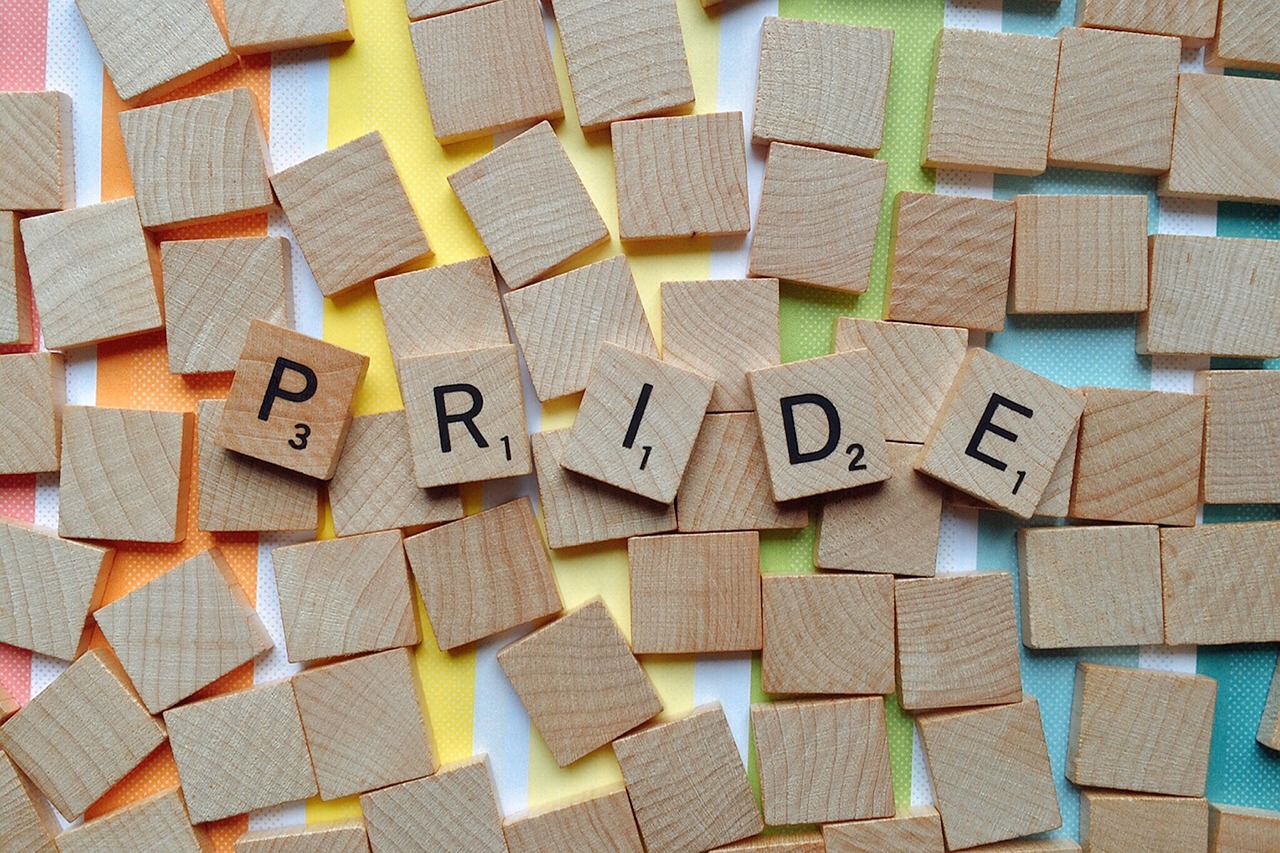
  • 40 top gay anthems for Pride

    40 top gay anthems for Pride

    It’s hard to define what makes an LGBT+ anthem, but there are songs that become ingrained in queer culture.

    Wokandapix / Pixabay

    Some concrete themselves because of a film they were in, some because of the artist who sung it. Some songs become gay anthems because of their message. We’ve teamed up with Deezer to showcase our pick of the top 40 gay anthems.

    1) I’m Coming Out, Diana Ross, 1980

    The name says it all. If ever there was a feel-good song to celebrate coming out from Ms Diana Ross. It’s the perfect way to kick off any pride playlist – and was the way in which Ms Ross used to kick off her concerts since 1980, the year in which it was also released.

    2) It’s Raining Men, The Weather Girls, 1982

    This is an ultra-camp classic that stood the test of time. So loved by the gay community that in 2014, when a UKIP councillor suggest that the unusual flooding in the UK at the time was caused by same-sex marriage, the song was released again and reached number 21 in the UK charts. Geri Halliwell also released a version, but you can’t beat the original, which stars the vocals of Martha Wash and Izora Armstead.

    3) Get The Party Started, P!nk, 2001

    Who can’t get the party started when they hear the outspoke ally, P!nk sing this song?

    4) Bag It Up, Geri Halliwell, 2000

    When the Spice Girls split there was only ever going to be one true gay icon to emerge from the famous fivesome, and it was always going to be Geri Halliwell (now Horner). She was the first to release solo material and racked up numerous hits including this mega camp ditty. The promo for ‘Bag It Up’ included Geri literally birthing herself live on stage between the split legs of a giant woman, surrounded by hot, pink-haired dancers in hot pants. It was the 2000 BRIT Music Awards – and Geri the gay icon had arrived.

    5) Sissy That Walk, RuPaul, 2013

    In 2009 the drag world had become, some might say, passe. Gay venues across the UK, which had been drag’s home, were in decline and closing down at a phenomenal rate. In London over 100 gay bars had closed since the year 2000. Then a somewhat forgotten drag queen star of the late 80s and early 90s launched a show that would change drag and its place in mainstream society. From that, RuPaul rose like a glittery phoenix and began releasing music. ‘Sissy That Walk’ came from her most successful album to date, Born Naked. The lyrics empower some of the most marginalised in our community.

    6) Express Yourself, Madonna, 1989

    It’s hard to find which track defines the epicness of Madonna’s credentials as a gay icon, but perhaps ‘Express Yourself’ comes somewhere close to the zenith. Its message of self-empowerment is as relevant today as it was back in 1989 when it was released.

    7) Your Disco Needs You, Kylie Minogue, 2001

    This is Kylie at pure campery. From the album that reignited her career, released in 2000, Light Years. Although ‘Spinning Around’ was the standout hit from the album, this has its own status as a pure camp classic.

    8) Dancing Queen, ABBA, 1976

    What gay anthem list is complete without an ABBA track? There are so many camp classics in the ABBA catalogue, but ‘Dancing Queen’ has many gay connotations from dancing drag queens to gay men who refer to themselves as queens. We think everyone should feel like royalty on the dance floor.

    9) Firework, Katy Perry, 2010

    Katy Perry released this track in 2010 and every pop fuelled moment is about being your most explosive self.

    10) Stronger, Kelly Clarkson 2007

    Kelly Clarkson became a bit of a lesbian icon after the release of her second album. The single ‘Since You’ve Been Gone’ is the ultimate song from this album, but her more recent output includes this uplifting song about strength.

    11) All The Lovers, Kylie, 2010

    Our second Kylie hit on this list. Although some Kylie purists might not class this as the gayest of Kylie’s gay discography, its message is pure inclusivity.

    12) Make Me Feel, Janelle Monae, 2018

    Janelle Monae came out in 2018 as a queer woman and followed that news with this somewhat Prince-inspired track. It’s sometimes hard to induct a new track into the gay anthem catalogue, but in years to come this song’s meaning and video imagery will go down as iconic.

    13) Outside, George Michael, 1998

    This was the song in which George Michael publicly spoke out about his sexuality. It was the summer of 1998, and although his previous album, Older, eluded to being gay and fast love, it was after his very public arrest in an LA public toilet that GM made his sexuality known, loud and proud.

    14) I’m Still Standing, Elton John, 1983

    With a back catalogue like Elton’s, where do you start? Despite the fact that Elton was “in” for the early years of his career, it wasn’t until 1988 that he full left the closet, ‘I’m Still Standing’ seems like the perfect song to stand up against all that life might throw against you.

    15) I Want To Break Free, Queen, 1984

    Queen went complete drag for the video, which was unheard of at the time in 1984 when rock bands were beyond masculine. Freddie Mercury would go on to achieve legendary status after his death in 1991.

    16) I Will Survive, Gloria Gaynor, 1978

    If ever there was a survivor’s song, Gloria Gaynor’s disco hit is it.

    17) Young Hearts Run Free, Candi Staton, 1976

    The song came out of a story Candi had relayed to the writer, David Crawford. She told him that she had a hard time getting out of an abusive relationship. He replied that he was going to write a song for her that would “last forever”. A new version of the song was released in 1999 and it peaked at number 29.

    18) Finally, Cece Peniston, 1992

    You can thank The Adventures of Priscilla Queen Of The Desert for making this song an undeniable gay hit – and one that countless drag queens around the world have mimed to ever since 1994. It wasn’t even a hit when it was first released, managing to just creep into the top 30 in the UK. However, a re-release in 1992 meant that it reached a rather respectable Number 2.

    19) Queer As Folk Theme, 2000

    In 1999 a TV programme called Queer As Folk shocked and delighted the British public – but not in equal measure. These were the years where we were coming out of the AIDS crisis and into an era where sexual diversity and LGBT+ rights were being celebrated. A new dawn of equality was in the air at the turn of century. The repeal of Section 28 was just a few years away and Civil Partnerships were just around the corner. However, the rimming scene in the first episode caused, as you would guess, reactionary headlines from the right-wing and conservative newspapers.

    20) All For You, Janet Jackson, 2001

    “Nice Package alright, guess I’m gonna have to ride it tonight”. With lyrics like these how could Janet Jackson’s 2001 hit ‘All For You’ not be an anthem. In the US it was a number 1. Janet Jackson has since the 90s been seen as a gay icon. Her sexualised music and her long-term support of the LGBT community using her fame and even her music to speak out against homophobia have made her an LGBT+ favourite.

    21) How Will I Know, Whitney Houston, 1985

    Whether you choose Sam Smith’s ballad version or Whitney’s pop classic, this song is a pure anthem.

    22) One Day In Your Life, Anastacia, 2002

    One of the most feel-good anthems from powerhouse vocalist Anastacia taken from her second album, Freak Of Nature. Although it didn’t chart particularly well, Anastacia told THEGAYUK.com “My thoughts would be is that I was hard to out do ‘I’m Outta Love’, and it was really close. It was a strong reminder and I think if anyone else did it, it might not have even gone that far, but because I did it, it was reminiscent”. However we’ve chosen this song because the message is pure positive and a reminder that no matter how hopeless life can feel, it will get better.

    23) Doin’ It – Nathan’s Theme, Queer As Folk, 2000

    “I’m doin’ it, I’m really doin’ it” was one of the standout quotes from Queer As Folk as a young Nathan loses his virginity with Stuart. He boasts it loudly and proudly that he is having unapologetic gay sex. Bravo.

    24) Stronger, Britney Spears, 2000

    Britney’s hit ‘Stronger’ is yet another song about winning against the odds and realising how much strength you have in you. Britney’s place as a gay icon has long established. At the 29th GLAAD awards, she was awarded the Vanguard Award.

    25) Girls, Rita Ora, Cardi B, Bebe Rexha, Charli XCX, 2018

    Despite picking up some heat from social media, ‘Girls’ explores female sexuality and bisexuality and that doesn’t happen all too much in music. Rita Ora did apologise for any offence caused, but many in the LGBT+ community voiced that she didn’t need to make an apology.

    26) The Best, Tina Turner, 1991

    Usually, you can’t go to a pride event without hearing ‘Proud Mary’, another iconic hit by Tina Turner, but we have to say that once we heard it sung as a love song between two men in Netflix’s Schitt’s Creek, we had to add this to our list.

    27) Go West, Pet Shop Boys, 1993

    It was only after the Pet Shop Boys performed this Village People original at an AIDS charity benefit in Manchester that the duo released it as a single in 1993 and is one of their campest, proudest songs.

    28) We Are Family, Sister Sledge, 1979

    Like Priscilla, The Birdcage forever cemented this Sister Sledge classic. You never be able to forget Gene Hackman lipsyncing to the track in full drag. Speaking to THEGAYUK about the song’s icon status, Kim Sledge said, “Well I’ll tell you, that anyone and everyone who embraced that song makes us feel amazing and grateful. It is a song of love and it’s a song that embraces so we’re ecstatic about it.”

    29) Like A Virgin, Madonna, 1984

    It could be argued that this is the song that turned a young Madonna into a fully fledged pop queen.

    30) Same Love, Macklemore & Ryan Lewis & Mary Lambert, 2012

    In the UK, ‘Same Love’ reached number 6. It was released during the fight for the right for gays and lesbians to marry in Washington State in 2012, before same-sex marriage became legal in every state in the US.

    31) Silent Whispers, Jake Hook, 2007

    This song is from a relatively unknown, but openly gay singer-songwriter, Jake Hook, (although he more famously wrote for other artists) the song is a simple love song between two men, with a subtle hint within the lyrics, “When X&Y collide” and talks about a love which is difficult to be open about in public. It came from an EP which was named SXY from which he launched a sexual health campaign for gay and bisexual men in 2007.

    32) Can’t Take That Away, Mariah Carey, 2000

    Despite not being a hit, Mariah’s theme, is a strong reminder that she is by far, one the best female singer-songwriters of the 21st century. She teamed up with Diane Warren to write this, most intimate of songs. The song’s lyrics speak about inner strength and not permitting anyone to tear you down. Plus the vocal run at the end is incomparable. The song comes from the album, Rainbow.

    33) Beautiful, Christina Aguilera 2002

    It was the video that accompanied this song which deserves a special mention. In fact Christina Aguilera won a GLAAD award for the song. It had a really positive representation of a gay couple and a transgender person, which was ahead of its time in 2002.

    34) Somewhere Over The Rainbow, Judy Garland, 1939

    The original gay icon, Judy Garland. This is the song that gave birth to the saying “friend of Dorothy”, which was a code gay men used to identify each other before homosexuality became legal.

    35) I Didn’t Know My Own Strength, Whitney Houston, 2009

    Before she died, Whitney Houston released this track. A testament to how, regardless of how powerless you might feel, that you are always stronger than you think.

    36) Let It Go, Demi Lovato, 2013

    Some have classed this song as the Coming Out theme of the 21st century a, perhaps, unintended gay anthem from the hit film, Frozen or maybe entirely intended!

    37) Anytime You Need A Friend, Mariah Carey, 1994

    Our second Mariah track is a soulful gospel song from the album that brought her wider recognition in the UK, Musicbox. The song’s theme tells the listener that they’ll never be alone and that anytime they need a friend, she will be there. Who wouldn’t want Mariah as a friend, when they’re in need?

    38) I Kissed A Girl, Katy Perry, 2008

    Although some have blasted Katy Perry for appropriating gay culture in this song for the purposes of gaining attention and sales. In 2018 Perry expressed regret about the lyrics saying, that she would edit them now. However, again, like Rita Ora’s ‘Girls’ this song has a nod to bisexuality and experimenting with some of the same-sex – and liking it. It’s all about opening minds y’all.

    39) Man! I Feel Like A Woman, Shania Twain, 1999

    Who can’t help but wiggle their way through this song?

    40) Born This Way, 2011

    In 2011 Lady Gaga knew exactly how to speak directly to her LGBT+ fans. ‘Born This Way’ is the song for its generation. The lyrics are a lesson in inclusive and diverity as she pays tribute to many in our wonderful community.

  • 7 way being tech savvy can make you way more employable

    7 way being tech savvy can make you way more employable

    Could being more tech savvy be the key to a better job?

    6689062 / Pixabay

    Sukh Ryatt, Managing Director at leading intranet software supplier, Oak, tells us how being mindful of our digital footprint could be the key.

    What’s your dream job? A lawyer, an artist, a web developer? Whatever your chosen career path might be, did you know that having a sound understanding of digital markets, and tech-based skillsets can make you a more desirable candidate?

    The fact is that employers are desperately seeking individuals with technical skills outside of their specialisation. Digital skills have become transitional, so much so that every industry requires employees to be ‘tech savvy’ just to understand day to day business operations. If you’re still not convinced, read on to find out exactly how technical understanding makes you more employable, regardless of industry.

    1. Make your CV stand out

    via GIPHY

    Including digital skills on your resume will make you stand out, ahead of your non-techy competition. Think you don’t have any digital skills? Think again. Are you computer-literate? Can you use Microsoft Office? If the answer is yes, then you have the digital skills necessary for 99% of jobs. The key to writing a top-class CV is to identify the skills you have and apply them to the role you’re applying for. For example, if you kept a successful blog through Uni, you’ll have good copywriting skills and a comprehensive understanding of site management tools, which instantly makes you a more desirable candidate.

    2. Digital presence = your opportunity

    Almost every company in the UK has some form of digital presence. Regardless of whether it’s an active social media account, a thematic blog, or simply a brochure site, the digital world is roaring with opportunity. Employers are looking to create dynamic workforces, who can contribute more to business operations, and having digital know-how is key.

    3. Be critical

    Every company will be interested to gain feedback about their digital footprint. Make yourself familiar with the company’s online campaigns, prior to interviews and be sure to comment on what you think they’re doing well on and how they could improve. Being critical will highlight your analytical skills, which is vital for any business to thrive.

    4. Businesses want to stay ahead of the game

    The UK is leading the European market when it comes to tech skills and we want it to stay that way. Businesses want to ensure that their employees are well versed in digital aspects to stay ahead of the competition, so they are actively seeking team members who are up to date with the latest technologies, so their business can thrive.

    5. Climb the ladder quicker

    via GIPHY

    The bottom line is that all employers will expect their staff to be computer literate, with Millennial business operations relying on technology for everything from conference calls, to documenting sales figures. Regardless of the sector, you’re entering in to, having technical understanding will widen your career options and can significantly increase your rate of progression.

    6. Exceed expectations

    via GIPHY

    Transitioning your technical knowledge to the workplace will help you to work more efficiently, freeing up more time to get involved in other projects, that you enjoy working on. Technology has the power to change workplace standards – think flexible working hours and remote days. Not only can you improve your work-life balance, you’ll impress your employers, especially when they see how productive you are.

    7. Trust the stats

    A study conducted by universitiesuk.ac.uk reported that 63% of skill shortage vacancies are a result of candidates lacking technical, practical, or job-specific skills. In fact, it’s said that your chances of employment increased by 25% with the relevant tech abilities and your salary will be an average of 10% higher than your non-technical friends.

    With numbers on side, it’s clear that tech skills are increasingly important to land the career of your dreams. So, embrace your inner geek, nail that interview and fall in love with your new career prospects!

  • This is when you should apparently say when you’re in love with a new partner

    Although they might not be “new” by the time those three little words come around.

    when is the best time to say I love you to someone,

    Love is a waiting game it seems.

    Speaking recently on the Talk About Gay Sex podcast, host Steve Rodriguez said that his sister said (he thinks it was his sister who said it) that you should wait a while before telling a new partner that you love them.

    Four seasons to be exact.

    Apparently, and we guess it’s true, you can’t tell what a person is truly like unlike you’ve known them through every season, summer, autumn, winter and spring.

    when is the best time to say I love you to someone,
    Can you wait an entire year to tell someone that you love them?

    This is because we all act differently and our personalities can have subtle changes according to the weather, the holidays, birthdays and you know, Presidential and Brexit elections – lots of different factors really.

    So before rushing in and telling your new man “I Love You”, you might want to wait to see how he’s like with Christmas anticipation or whether he can deal with a British heatwave.

    Anyway, what could be more romantic than on your first anniversary to say those three words.

    Listen to the podcast here:

  • Here’s why numbing lube might not be so good for you

    Here’s why numbing lube might not be so good for you

    If you’ve ever thought about using numbing lube for anal sex, here’s maybe why it’s not such a good idea.

    © Ongap | Dreamstime Stock Photos & Stock Free Images

    There are a number of numbing lubes out there for those who might be having problems with bottoming or trying out fisting, but there’s a downside which ultimate could cause more harm than good.

    Speaking on the Talk About Gay Sex podcast, gay-sex positive doctor, Evan Goldstein of Bespoke Surgical was warning against the use of numbing gels or lubes – especially if you’re planning to take something huge up your ass.

    The problem with the numbing lube is that if you’re doing damage to yourself, you might not feel it.

    Speaking with the two hosts Steve Rodriguez and Steve Carpenter, Dr Goldsten revealed, “A lot of people are using numbing lubricants or poppers or other to relax, and the reality of that, is that, it leads to injury because a lot of people don’t feel the trauma happening”.

    Host Rodriguez answered, “Really numbing is a negative word, we should never be numbing ourselves of anything, emotionally, physically, because we’re just sort of masking it”.

    Carpenter added, “There’s also a lot of nerves which can be pleasure nerves. If you’re numbing that you’re taking that pleasure away”.

    Goldstein finished by saying that he was all for poppers or whatever gets you off, but you should only use that stuff when you’ve achieved full openness – rather than using them to get you opened up in the first place – so that you are more aware of what is happening with your body.

    Sounds like good advice to us!

    Listen to the show here.


  • These are the things you shouldn’t say to a friend who is suffering with their mental health

    These are the things you shouldn’t say to a friend who is suffering with their mental health

    The Things Not To Say And Why

    TheHilaryClark / Pixabay

    There are certain things not to say if your friend comes to you with and says that they are suffering with their mental health. Your reaction could really help or hinder their progress.

    The lines that I would suggest avoiding in this situation are:

    ‘’Get yourself together.’’
    Depression, for example, is not something you can simply put a cast on and a few weeks later it has healed. Mental conditions are not someone’s fault, and this statement implies that it is self-induced. It may also deepen the shame that they have if they’re struggling to come to terms with the fact they might have a mental illness.

    ‘’I get it, I have bad days too.”
    While this seems like an attempt to build a connection and make how they’re feeling more relatable, this type of statement actually minimises the pain that they’re suffering and makes it sound as though their current mental state is trivial.

    ‘’You need to stop feeling sorry for yourself.’’
    If someone is struggling to verbalise any negative or hard to deal with feelings, then this kind of statement will make them feel as though they are complaining and a burden to you. Throw away comments like this suggest that you’re not taking their emotions seriously – as though it is something that they can simply ‘get over’.

    “What have you got to be down about, you have everything a person could want, a family, a wife, a job, a home.’’
    What’s important to remember here is that mental illness is not a choice. A person can have everything that would make someone else happy, but that’s irregardless – they are still feeling mentally unwell, and this statement is unsupportive. A person may be successful on the outside, but no one knows what is happening on the inside.

    “Everything is going to be fine.”
    How do you know it is? Aside from the fact that this statement isn’t based on anything tangible, someone who is suffering from a mental health condition may struggle to see past the next hour. Asking them to look ahead is something that they may struggle to perceive.

    “We should catch up sometime.”
    Connection and consistency are important to someone who is struggling. These throwaway statements should not be used as they suggest that you may not mean it. Instead plan a time and a date and something definitive instead.

    The Best Things To Say

    “Are you okay?”
    Simple but effective. It may be that no one has asked that simple question for a while and if you follow this up with “is there anything I can do to help?”, they may feel safe enough to begin the conversation.

    “Let’s have a night in.”
    By not suggesting that they need to get out more, it will allow them to approach their mental health in a step-by-step way. Instead, suggest staying in with them and do something that they will enjoy. It’s also a good opportunity to start a conversation and be there to listen while they share their feelings.

    “Tell me about how you’re feeling.”
    Be empathetic but not patronising. They don’t want to feel like they’re in a therapy session but by encouraging communication, they’ll hopefully feel like you’re a trustworthy ear.

    “Give me a call if you ever need to chat – day or night.”
    Finish your chat with them by reasserting the fact that you are there to chat whenever they need to. Then, make sure that you are actually available to talk when they do reach out. It will take them a lot of courage to pick up the phone and say that they’re struggling.

    “Can I cook you dinner tonight?”
    Little things go a long way. A simple gesture such as making them dinner will mean a lot to them and reassure them that you are looking out for their wellbeing.

    “You are not in this alone.”
    Instead of saying that “there is always someone who is worse off” which will make them feel inferior, try comforting them by saying that you will get through this together. A strong support network is key.

    The Best Questions To Ask And Why

    Mimzy / Pixabay

    Keep Things Normal
    Try not to treat them any differently. Ask them normal things such as “Do you want to go for a coffee?” or “Did you see that show last night?”. That way, they feel that their mental illness has not pushed people away and even if they say no, don’t give up on them, he may just need time.

    “What Can I Do?”
    Most of the time they will not need anything tangible, just someone to listen and not judge.

    “How are you feeling today?”
    Ask about how they truly feel instead of the generic “how are you?”. Try, “I have noticed you are not yourself and I want to know how you are feeling”, then be prepared to listen to them after without judgement.

    “Do you need to talk? I’m here if so.”
    Sometimes venting or talking about how and what they are feeling can make it a little bit better, even if just temporarily. However, the long-term positive effects from this question will be that they will know you are there for them and that they will feel supported.

    Make sure that your check-ins are genuine and regular. Make sure that you don’t push them too hard, too soon but also don’t let them off the hook when they reply “I am fine”. There’s a fine balance between pushing someone too far, too soon and giving up too easily.

    “What was the best part of your day?”
    May sound like an odd thing to ask, but by asking them this, you’re essentially asking them to find a positive in each day. It will make them feel like they have achieved something and that they are successful.

    “Chat to me about how you’re feeling.”
    You can try open-ended questions. Try to keep language neutral and casual and give them plenty of time to answer and to find the right words to truly express their emotions. Likewise, when they do respond, try not to grill them with lots of questions.

    “Do you want some space?”
    While it’s important to show support by being present in someone’s life and ensure them that they are not alone and also making sure that they are not isolating themselves, often some time alone can be helpful to digest how they are feeling or to simply recharge their batteries.

    What Answers Should You Be Worried About

    Free-Photos / Pixabay

    “I can’t do this anymore” or “I can’t go on.”
    If you suspect they are thinking of taking their own life, it is very important to encourage them to get help such as contacting their GP or NHS on 111.

    “I really need to have a few drinks.”
    We’re not saying that having a few drinks is always going to be a warning sign, but if your friend doesn’t usually suggest alcohol as a coping mechanism or you’ve noticed that they are drinking more than normal, then this could be an early indicator of misuse disorders.

    “I’ve always got a headache at the moment.”
    Headaches, while they are never pleasant, could actually be a sign of stress in this case. Built up stress can cause headaches, migraines and chronic headaches and research has also found they are strongly linked to many anxiety disorders.

    “I’m really struggling to sleep at the moment.”
    Sleep is closely linked with many mental health conditions and actually sometimes has a chicken and egg effect. A lack of sleep can cause the onset of many conditions whereas restless nights, tossing and turning and even sleeping too much can be a warning sign of insomnia and depression. There’s also a strong link between sleep and some anxiety disorders.

    How And When You Should Encourage Them To Seek Further Help

    Warning signs such as the above are key things to look out for – many of them are early indicators that their mental health is affecting their physical wellbeing. It is crucial that you try to encourage them to seek help from professionals.

    A subtle but equally dangerous warning sign of mental illness is hopelessness. Studies have found that hopelessness is a strong predictor of suicide with some people struggling to talk about unbearable feelings, predicting a bleak future for themselves and stating they have nothing to look forward too.

    Do everything you can to help them get the help they need. As a friend, you yourself can call a crisis line for advice about the best way to support your friend or loved one, and you can inquire about referrals. You can try and get help from local charities, such as counselling organisations and support groups. On top of that, encourage them to see a mental health professional or go along to the doctor’s appointment.

    Small things like encouraging positive lifestyle changes such as plenty of sleep and going out for a walk on their lunch break. Exercise is extremely important as it releases endorphins, relieves stress and promotes emotional well-being.

    Also, there is an innovative, medication-free treatment which is now available which can treat the symptoms of mental health issues. This treatment is called Transcranial Magnetic Stimulation (TMS), this treatment stimulates specific areas of the brain which are affected by mental illnesses (such as depression, anxiety and OCD) using magnetic pulses. The depression treatment has been approved by NICE as being safe and effective. An intensive course of the treatment could potentially reverse the symptoms of depression in two to three weeks.

    Chloe Ward is Technician at Smart TMS, the UK’s leading mental health clinic specialising in Transcranial Magnetic Stimulation.

  • Where and how did pride begin? How a riot at Stonewall led to a world-wide pride movement

    Where and how did pride begin? How a riot at Stonewall led to a world-wide pride movement

    In Part two of Simon Sayers-Franklin’s Pride series, he explores the origins of Pride at the Stonewall riots and why we fly our Rainbow Flag!

    How Did Pride Begin?

    Pride originated on 28th June 1969. Back then police raids on gay bars, like the Stonewall Inn, were common. The authorities would come in, push people around, display violence, intimidate, bully and randomly arrest people. The arrests were frequently made for tiny, inconsequential things such as drag queens wearing more than one or two items of ladies clothing or being caught in compromising positions.

    Often the bars, which were largely owned by the Mafia, would bribe the police to tip them off when raids were due to occur. The gay bars would often have two rooms – a bar in the front and a dance floor in the back. Dancefloor lights could be triggered from the bar to send a secret message to the people next door that a raid was about to happen. This allowed them to stop dancing or quickly find an opposite-sex partner if they wished to continue dancing.

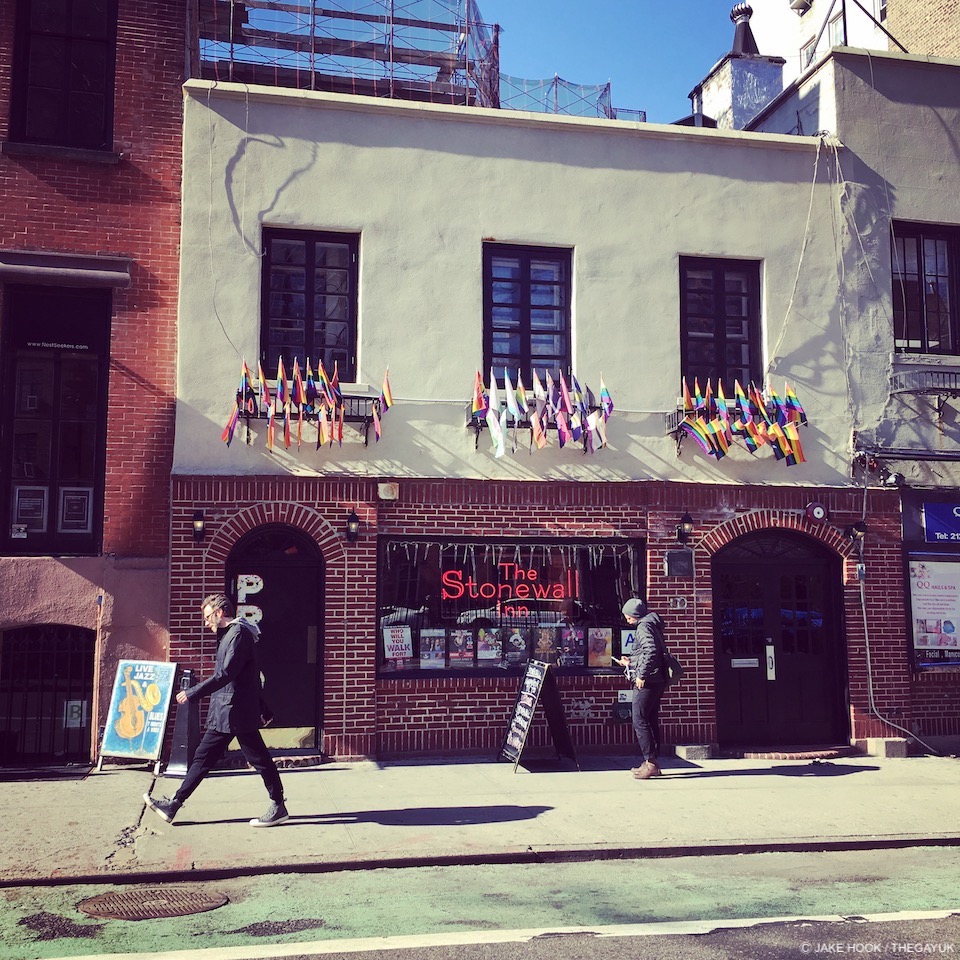
    It was in the early hours of the morning on June 28th 1969, that an LGBT friendly bar in New York was subject to a raid – something that was all too common in gay bars. This bar, however, was one of those owned by the Mafia and catered to transgender people, drag queens, effeminate men, sex workers and homeless people of many backgrounds. The bar in question was the Stonewall Inn.

    a sign from Stonewall that police used to raid the premises

    This raid, however, was different from the beginning. Firstly, the owners were not tipped off, secondly, it happened very late; around 1:20 am. There had been rumours about a raid that night but it was dismissed as inaccurate information.

    The night it all began, two undercover policemen and two undercover policewomen came in and gathered evidence while the rest of the team waited outside. When those who had gained entry called for backup the music died, the house lights came up and those who realised what was happening ran for the doors and windows in the bathrooms but were blocked in by the police.

    There were reportedly over 200 people in the Stonewall Inn that night. Little did the police know, that this as not going to go the way they expected.

    Usually, the police would line up the people, check ID and then the female officers would escort those wearing female clothing to the toilets, where they would be subject to physical checks and if men were found wearing female clothes they would be arrested. Not this night. This night everybody refused to produce their ID and those in women’s clothing resisted being taken to the bathrooms. This resulted in high tensions, only made worse by the police who became inappropriate while frisking some of the lesbian patrons.

    The police had been sent to seize all of the alcohol, which was apparently bootlegged. While this happened, the people inside were made to wait in the line. Those who hadn’t been arrested were allowed to leave but they congregated outside. It wasn’t long for the crowd to grow – a mix of those who had been released and those who had seen the disturbance and joined out of curiosity. Those who were released exited the bar to rounds of applause and they bowed and posed and it was all very theatrical.

    By the time the first police wagon arrived, the crowd had multiplied as much as ten times and as the Mafia were escorted out and put in the van people started shouting “Gay Power.” and others started singing. An officer pushed a drag queen who hit him with her purse. People threw debris at the wagon and that was when a woman, thought to be, Stormé DeLarverie, was dragged out in handcuffs. She kept escaping and fought four police officers. When she complained the handcuffs were too tight she was hit over the head with a baton and screamed: “Why don’t you guys do something?”

    It was this moment that triggered the riots that would go on to last six days!

    Who threw the first brick at the Stonewall Riots

    The patrons of the bar had taken enough and were sick of being pushed around. It was reported that the drag queens and trans women of colour were among the first to fight back. It was Marsha P. Johnson, a black, gender non-conforming, sex worker, a founding member of Gay Liberation Front and a popular member of the New York gay and art scenes, who was apparently one of the first to kick off her heels and fight the police. It is, however, unclear what role Johnson played in the events that night. She disputed that she was the one to start the riot by claiming she arrived at 2 am when the place was already on fire – a fire she claimed was started by the police.

    did Martha P Johnson throw a brick at Stonewall

    These riots were a major moment for LGBT people and Stonewall became an iconic image of rebellion and resistance. It stood for our strength and our refusal to back down.

    It was the next year, 1970, that the first Pride march was held in New York on the anniversary of the Stonewall riots. From that moment we have continued to celebrate Pride in the month of June to honour those who kickstarted a revolution. We march to represent our strength and unity. Our community is strong together and Pride shows just that! In modern days it still has political undertones but these days in the western world particularly, our events stand for inclusivity, visibility, having fun and celebrating love and equality rather than fighting for it.

    Why Do We Have a Rainbow Flag?

    The flag was devised by artist Gilbert Baker after he was challenged by Harvey Milk (another hero and martyr for the LGBT community), to create a “symbol of Pride” to represent the LGBT community. It debuted at the 1978 Gay Freedom Day Parade and has been an icon of our community from that day.

    what does the rainbow LGBT flag stand for
    The original rainbow flag as created by Gilbert Baker

    There were originally eight colours in the rainbow instead of six:

    Hot Pink represented sex/sexuality. It was taken out due to manufacturing issues after Baker approached a company to mass produce the flag. Apparently, the hot pink fabric was too expensive to make.

    Turquoise, representing magic and art, was lost when the Pride Parade Committee wanted to fly the flag in two halves along both sides of the street for the 1979 Gay Freedom Day parade. Turquoise was dropped to leave six stripes, therefore, leaving an equal number to split.

    Red is life.

    Orange is healing.

    Yellow is sunlight.

    Green is nature.

    Indigo is serenity

    Violet is spirit.

    A modern variation, created in 2017, added black and brown stripes to highlight the People of Colour within the LGBT community. There were a mixed reaction and a lot of controversies because of how the flag never represented “race” and was always meant to represent aspects of life that apply to everybody, regardless of ethnicity. It also caused upset by changing the artist’s original vision.

    The Stonewall uprising would go on to inspire the LGBT movement across the globe. In London, the first-ever march by the Gay Liberation Front happened in November 1970.

  • Is it rude to stare at a body part of someone you fancy?

    Is it rude to stare at a body part of someone you fancy?

    “It’s normal to check people out. That’s attraction. Just don’t be creepy about it.”

    luxstorm / Pixabay

    We’ve all found ourselves there right? A guy who is unbelievably hot and you catch yourself staring. But what if you have a particular fixation on one part of the body – like his legs. This guy asked the internet whether it was rude to stare at some guy’s legs. He asked whether it was the equivalent of straight guys staring at boobs. Here’s what the Internet had to say.

    composita / Pixabay

    It’s rude, to stare. Glances are ok. Just drink plenty of water.  (VIA)

    Honestly, I’d be more flattered if I caught you staring at my butt. (VIA)

    <

    form id=”form-t1_dzuvthg9rx” class=”usertext warn-on-unload” action=”https://www.reddit.com/r/gay/comments/8ndn73/is_it_rude_to_look_at_guys_legs/#”>

    <

    div class=”usertext-body may-blank-within md-container “>

    <

    div class=”md”>

    The difference between boobs and legs is that no one would really think anything weird if you’re caught looking at someone’s legs vs boobs. Especially a guy looking at another guys leg. (VIA)

    <

    div class=”usertext-body may-blank-within md-container “>

    <

    div class=”md”>

    It’s normal to check people out. That’s attraction. Just don’t be creepy about it. (VIA)

    I’ve found that I could do it pretty subtlety. And the fact that is was not something you would normally look at on a guy especially as a guy would give me a few extra seconds to look. (VIA)

    A stealthy glance is the way to go. I just avoid the temptation to follow with eye contact, cause then it would be like I was screaming obvious. (VIA)

  • This Is Why You Should NEVER Masturbate Before Going To The Gym

    This Is Why You Should NEVER Masturbate Before Going To The Gym

    We spent days researching this topic. It’s important to know whether it’s ok to masturbate before going to the gym, or if this is something that’s best left til you’ve showered off. Unfortunately, the results of our research look very inconclusive. There are countless articles, forums, and feeds about each individual lifter’s opinions on the topic.

    Does spanking the money before a workout effect your workout?
    Does spanking the money before a workout effect your workout?

    When asking the question, does masturbation affect your workout, the answer seems to be a resounding… maybe, kinda, yeah no.

    Continuing our longstanding obsession with the male hormone, there appears to be a belief across the world wide web that beating one off will somehow drain the testosterone right out of your bloodstream and into oblivion.

    Higher t-levels are associated with better athletic performance, whether that’s increased muscle growth or high levels of aggression and intensity. Achieving orgasm, either on your own or with the help of another, will increase your prolactin levels, and temporarily decrease your dopamine. However, while both of these hormones are often associated with testosterone, they don’t decrease the hormone itself.

    Having sex on a semi-consistent basis (whatever that means) has shown to increase testosterone levels. And while a study in the World Journal of Urology found that men had higher T levels after abstaining for three weeks, other studies have shown that t-levels peak after a week without ‘release’, and tend to drop dramatically after day 7.

    Does masturbation affect your workout

    For those that choose to ignore the science, there’s plenty of anecdotal evidence that shows a temporary drop in performance in the gym after a performance between the sheets.

    Other hormones that affect your training

    While there may not be a drop in testosterone after orgasm, plenty of other hormones are still in play that could affect your next gym session. The release of oxytocin and prolactin into your body after orgasm could significantly decrease your immediate desire to go to the gym and train at all.

    Known as the “cuddle hormone” by the more cutesy scientists, oxytocin combined with prolactin will make you feel good and want to sleep after you jizz; not ideal when you need to go and pick up heavy things or sprint uphill on a treadmill.

    Does masturbation affect your gym performance?

    Short answer, yes it can. Slightly longer answer, not so much that you shouldn’t do it. Just don’t masturbate for about 3-4 hours before you head to the gym and you should be fine.

    Maybe wait until afterwards. Plus, that way you get to take full advantage of the post-gym horn.

    Sharing is caring

    If you found this article even slightly interesting, informative, funny, or ridiculous, then please give us a like, share, tweet, tumble, stumble, flip, or follow. Buttons are floating all over.

  • Is it okay to call gay men Queer?

    Is it okay to call gay men Queer?

    There’s a growing section of the LGBT+ community that is calling themselves Queer, but don’t assume that all people in the community want to be called that word.

    THEGAYUK.com has polled readers numerous time on whether the term queer is an acceptable term to describe themselves and each time the majority has rejected the term.

    In July 2017 we asked over 200 people whether they thought queer as an umbrella term for the LGBT+ community was acceptable and sixty percent did not. Some commented that the word was “triggering” and “deeply offensive”, particularly to men who identified as gay.

    Is okay to call gay men queer?
    rawpixel.com at Pexels

    The word queer is still used as a slur against many people in the community, particularly gay and bisexual men, and although some may refer to themselves in this way, it’s probably best not to use language that causes offence to others.

    Only seven percent of men surveyed thought that the term queer was acceptable.

    NEXT >>> What does THEGAYUK suggest?

    Pages: 1 2 3

  • This is why it could be taking some guys an age to climax

    This is why it could be taking some guys an age to climax

    No two of us are the same and that’s never more so true when it comes to our pink bits and all of it works.

    Why does it take some guys so long to explode? calibra / Pixabay

    No doubt you’ve encountered a guy that takes an age to cum, or maybe, you are that guy, well, we’ve been chatting to a doctor to find out why it might take some guys so long to climax and why it might not always be a bad thing.

    Okay, it might be a bad thing if you’re the bottom and you’re waiting for your guy to finish up, after all, there’s only so much you can take of the D before it all becomes too much (amirite?)

    But don’t forget climax doesn’t have to happen in anyone’s butt. It can happen anywhere. His chest/your chest/his face/ your mouth, the options are endless really. Just don’t forget to switch it up if it all gets too much.

    But why does it take some guys so long to ejaculate?

    But why does it take some guys so long to ejaculate
    But why does it take some guys so long to ejaculate? 4924546 / Pixabay

    Well, Doctor Rick Viney consultant urological surgeon at BMI The Priory and BMI Edgbaston hospitals in Birmingham suggests that it’s mostly in the mind rather than physical. He tells us, “Being very aroused will see you cum quickly, being distracted can see you fail to get there all together”. 

    So is it all down to distraction? No, Viney goes on to suggest that some guys might be trying to actually delay their climax – a bit like edging, but for their partner’s benefit, but if this isn’t working for you, remember communication is the key to practically everything.

    Dr Viney also suggests that delayed ejaculation could be happening as a side effect of certain drugs.

    He explains, “If the guy is using Viagra (sildenafil) or Cialis this will make for great erections but can inhibit climax, making it much harder to cum. If you want staying power, this could be seen as an advantage”.

  • 11 ways you can help a friend struggling to cope

    11 ways you can help a friend struggling to cope

    When a friend is in need, it can be hard to know how to react, here are some tips to help you listen and help a friend in need.

    How to help a friend struggling with their mental health.
    MabelAmber / Pixabay 11 ways you can help a friend struggling to cope

    1) Ask if everything is okay

    “How are you feeling?” Sometimes someone just needs to be asked if they are okay. Asking a simple, “how do you feel?” will let the other person know you are open to chat.

    2) Just listen

    If your friend starts to talk, let them speak. Don’t interrupt in the first few minutes. If you’re confused about the timeline or the people involved, circle back round to it in your repeat back.

    3) Repeat back

    Let your friend know that you’ve been listening by repeating back some of what they’ve said to you. In a way, it can help you summarise what you’ve heard. If you’re unclear on something here is where you can explore.

    4) Ask open questions

    Don’t shut the conversation down by asking a closed question. These are questions that can be answered with a “Yes” or a “No”. Instead look for open questions which will allow someone to open up and talk. They usually begin with “How”, “Why”, “What”. Closed questions begin with: “Is…”, “Can…”, “Did…” and “Are…”

    5) Verbal nods

    When someone is talking and sharing with you, you’ll want to show that you’re actively listening. You can do this with verbal nods, which are affirmative sounds, like “yes”, “okay” or “I hear you”.

    6) Use their language

    Sometimes people struggle with the right terminology or words to express themselves. Echo some of the words that stick out to you. It can act as a way of letting someone explain the way they feel more fully.

    7) Don’t judge

    It can be difficult not to judge someone and their actions based on what you think you’d do in the same situation. But you’re not in their situation so your judgement is pretty irrelevant here. Just listen. This is a really good moment to check how you’re sounding and talking. How is your tone of voice?

    8) Don’t make it about you

    Be there for your friend, so let them have this moment. Let them get everything they need to off their chest.

    9) Don’t tell someone that you “get it” or “I know you feel”.

    The likelihood is that you don’t or won’t. Unless you’ve been in exactly the same situation you won’t know what they’re going through. Even if you have been through something similar to your friend, you are both very different people and will deal with situations differently. It’s best to say something like, “I hear you”, “I understand what you’re saying”.

    10) Don’t try and fix it

    This can be really tough because you might feel like you’ve got the answer, but it’s always best to let people work out their own answers that will work with their circumstances. Also, how often do people really take advice – especially when it isn’t asked for… never. So ask your friend what they think the solution is and then repeat steps 3 to 9.

    11) Speak to a stranger

    Suggest that they call the Samaritans or Switchboard LGBT+ Helpline. Speaking to a stranger or someone on the end of a phone, who isn’t connected to them in any way can be a way in which your friend might feel more comfortable sharing their problems with. Samaritan’s phone number is: 116 123 or Switchboard is: 0330 330 0630.