Search results for: “ ”

  • Can you catch an STI from a French kiss?

    Can you catch an STI from a French kiss?

    So, you’ve reached second base! Lucky you. You’ve reached that much anticipated first kiss with that hottie from across the bar. You are thinking this is a good, SAFE start to intimacy and it’s certainly not as bad as having oral sex or sexual intercourse with essentially a stranger, right? I hate to break it to you but, while it is very rare, it is possible to contract an STI simply from kissing.

    (C) BIGSTOCK

    Fortunately, Dr Preethi Daniel from London Doctors Clinic is here to break down everything you need to know about oral STIs.

    What are oral STIs?

    Embed from Getty Images

    Oral STIs are most commonly shared through oral sex, and unprotected stimulation of the genitals or anus using the tongue or lips. This is because coming into contact with bodily fluids carries a significant risk of spreading STIs. However, a recent study, published in the British Journal of Medicine Sexually Transmitted Diseases, has found that kissing and specifically ‘deep kissing’ could also be to blame for the spread of STIs. The most common STIs which could be spread in this way include herpes, gonorrhoea, hepatitis B, syphilis, chlamydia, other hepatitis, warts and even HIV can be transmitted by kissing.


    How to spot the symptoms?

    Embed from Getty Images

    While it is not very common to contract an STI from a kiss, your likelihood increases if you have cuts or sores in and around your mouth. Symptoms can vary from person to person and what the condition is. If you experience itching, rashes or sores in/around your mouth, this will require medical attention, similarly, a vague sore throat after contact with multiple partners could also be indicative of an STI. Here are the most common oral STIs and their symptoms:

    Chlamydia:

    Embed from Getty Images

    Many people will not experience any symptoms of oral chlamydia, however for those that do they may experience painless sores, lesions that are similar to cold sores, tonsillitis or redness with white spots. A less conspicuous symptom is a scratchy, dry throat.

    Gonorrhoea:

    http://gty.im/121841540

    Much like with Chlamydia, many people who have oral gonorrhoea do not exhibit any symptoms, however if they are present you may experience a sore throat, a fever, redness or swollen lymph nodes in the neck

    Syphilis:

    Embed from Getty Images

    The symptoms of syphilis occur in stages which become progressively worse as they progress. The initial symptoms include painless sores or raised lesions which may appear grey or white.

    Herpes:

    Embed from Getty Images

    The most common symptoms of oral herpes are cold sores which may occur on the lips, gums, tongue, inside of the cheeks, throat and roof of the mouth. These may also extend to the chin or neck. Some people may also experience swollen and bleeding gums or swollen lymph nodes.

    Warts:

    Embed from Getty Images

    These will exhibit as warts or lesions in the mouth; however, they have little to no other symptoms and are generally painless.

    HIV:

    Embed from Getty Images

    HIV does not usually have symptoms in the early stages. Rarely, those with HIV in the mouth may experience a dry mouth, tooth decay, gum disease, cold sores or oral warts.

    How can you get diagnosed?

    If you experience any of the above symptoms you should visit your GP. Many clinics offer same day throat swabs which can check for the signs of gonorrhoea and chlamydia. Any sores or lesions will need closer inspection and discussion with your GP, risk factors and symptoms must be assessed before testing is conducted. As with anything the sooner you are tested the easier it is to treat, so visit your GP as soon as you notice any unusual or uncomfortable symptoms.

    What are the treatment options?

    Treatment options depend on what STI has been contracted. Some infections, such as chlamydia, gonorrhoea and syphilis can be treated effectively with antibiotics. Viruses, such as herpes cannot be cured but the symptoms can be easily managed with medication. If you have developed warts, they will need to be treated with cryotherapy to completely eradicate the warts. Hepatitis and HIV have no cures and will require specialist management which your doctor will need to advise upon.

    Dr Preethi Daniel is the Clinical Director at the, private GP, London Doctors Clinic

  • Rupaul’s Drag Race Season 11 update: Magic, Twins, Camp and FINALE TEA!!

    Rupaul’s Drag Race Season 11 update: Magic, Twins, Camp and FINALE TEA!!

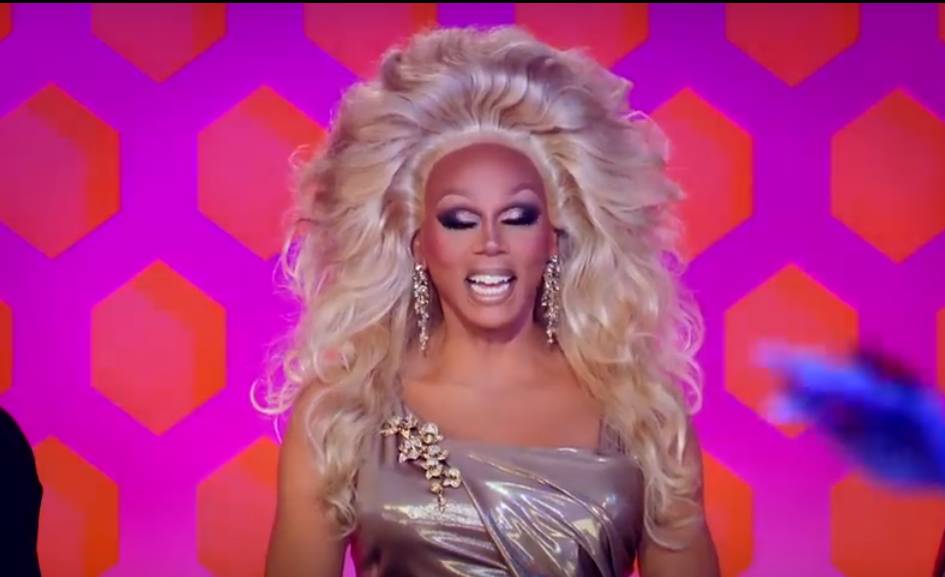
    Well, it’s been quite the few weeks in the world of Drag Race!! Queen of Queens Rupaul has been the source of many discussions regarding her recent decisions on the show as well as her MET Gala look and recent TV appearances!!

    First the last two episodes: Episode 10.

    One of the best episodes so far, with a good story-line and a great challenge. Oh, and lots of Pit Crew!! Ah, and an appearance of Delta Work! You know: classic Drag Race!

    It was also home of a first: namely Vanjie finally winning a challenge. Okay, a mini challenge, but still.

    The win meant she could select her team for this weeks main challenge: a drag magic show!!

    Sadly, she didn’t use this position to her advantage, as the team she selected … well, let’s just say, sadly, it didn’t do too well. This is sad, as a team consisting out of the more vocal queens of the show (Vanjie, Silky, A’keria and Yvie) could have worked.

    The main reason as to why this happened is soon clear as during creating and rehearsing their show the team doesn’t seem to listen to each other (Silky even falls asleep) and Vanjie is seen trying to please everyone and feeling uncomfortable. Then they have to redo it all again as Team Da Black Magic as they call themselves are told their material is too blue for family VH1 viewing. Despite performing reasonably well, the poor girls didn’t stand a chance.

    The other team (The Mighty Tucks) consisting of Nina, Brooke Lynn and Shuga Cain immediately seems prepared and ready: working on a full back story, a naughty but suitable for family script and an almost professional act. The moment they start you feel as if you’re watching a group of queens who’ve been doing this for years. They could basically tour this act!!

    It is clear that they are this weeks winners.

    After a strong Kaftan based Runway the judges start their critique. It’s easy: They loved The Mighty Tucks and disliked Da Black Magic. Nina rightfully wins this week while Yvie and Silky are especially singled out for respectively their stage presence and their shocking padding, We think we know who will be in the bottom two.

    But … there is a twist: the winning team doesn’t win as a team, with Shuga Cain singled out as a week link and put in the sing of. This is very odd as Shuga proved herself a strong and funny team member and should not have been part of the bottom two.

    As team leader of Da Black Magic it is Vanjie who ends up as second bottom two member and turns out a very strong lip sync.

    It is goodbye to Brooke Lynn.

    Soon after Ru appeared at the MET gala and, sadly her outfit wasn’t to everyone’s taste and caused an absolute storm on the internet with some people actually sending death threats. Now I know fashion and glamour is a serious subject to many, but really?!!

    Ru later explained her decision not to wear drag to Stephen Colbert: she had been lead to believe there would be hundreds of drag queens and had opted to stand out in a different way. To her this outfit was camp. It is a shame, as this being the year drag queens were finally invited and the theme being camp it could have been the perfect year for Ru to once again make history.

    Soon, though, the MET controversy was forgotten as Ru surprised Anne Hathaway live on TV and her response was … interesting to say the least.

    Things became even more heated after episode 11. An episode that saw a few of the eliminated queens return.

    Before that, though there was a return of the “reading and slapping” challenge, which Ru left entirely in the hands of the girls, after he accidentally hit Asia for real last year.

    The girls take full advantage of their chance to hit their colleagues and release some pent up energy.

    Brooke Lynn is the best, using her ballet skills to amp up her comedy, and rightfully won.

    Then the eliminated queens return for a challenge (and a fight.) They are to be made over by the still standing queens. As usual “family resemblance” is the key. Brooke Lynn gets the honor of pairing up the queen with their future sister and on the whole her pairings could work. The only problem seems to be the pairing of Silky and Soju and this played out rather painfully on screen. Feighning friendlyness during the challenge Silky madfe it rather clear in her backstage chat that she didn’t care for Soju as a partner at all. Seeing Soju working hard to do anything to please and help Silky made you feel for her. Come on, the girl tried to work in heels for you despite it hurting and let you work on her face with a sharpy!!

    Meanwhile a few fights about wigs and opinions broke out. But considering all that happened online between the season 11 queens during this seasons broadcast we can expect far worse during the reunion!!

    Judging from what we are shown in the episode the people setting themselves up for fail are Silky and Nina. Silky because she and Soju are just not in that “sisterly vibe” zone as all the other and Nina because, even though her her idea is wonderful: The Rainbow Flag and the Transgender Flag embracing each other, the outfits do not look alike. This is sad because Nina’s idea and look would have been a winner in a “Pride” challenge, but for a twin look it is just not working.
    This all plays out as expected.

    Meanwhile Vanjie is followed throughout the episode and from what we see and hear we’re certain: this will finally be Vanjie’s week. She’s had such a rough time after being brought back from last season. Now, finally her anxiety and hard work will be validated: Vanjie will get her win AT LAST!!

    Come decision time, though, things turn confusing. The runway and judges critiques made it clear: clearly this will be a redemption win for Vanjie. She made Ariel into a virtual twin, so much so you can’t even spot the difference between them at times. This is actual family resemblance!! Adding to this: the look was gorgeous.

    Not that Brooke Lynn didn’t turn it out, but Vanjie’s work was perfection. Seeing the hopeful expectation on Vanjie’s face turn to heartbreak after being denied a win yet again was sad.

    Thankfully Brooke Lynn said she would share her reward (a holiday for two) with her.

    Then the lip-sync: Nina vs Silky. A lot of accusations have been thrown towards Rupaul for putting Nina in the bottom two, but it was clear that though her idea was beautiful, the execution just didn’t look right for this challenge. Then the performance itself: seriously? Silky, after ten weeks of bigging herself up turns out with this? Nina clearly was the best one here performance wise, though only by a small margin.

    The only reason I can see for keeping Silky might be because, at the time, production thought she would be a fan favorite and the face she had thought up a reveal (a small and confusing one, but still) and attempted to use the entire space and tried a split? Yes, grasping at straws here.

    Meh indeed …

    So, this week the finale was recorded, taking six hours in total. Queens old and new walked the red carpet and later the runway. You can see what this seasons queens wore on this Drag Race Instagram page: https://www.instagram.com/rupaulsdragrace/?hl=en

    To keep the mystery two exciting crownings were recorded. Soon we will find out which one will be shown when we the audience help Ru decide the official winner. Shockingly WOW had already leaked the official top four earlier this week in their recording announcements, rest assured if you missed it I will not spoil it for you.

    There was some drama with two audience members being evicted for posting live pictures and updates to social media. Having seen some I can reveal one important thing: this time Ru looks absolutely gorgeous!!

  • Piers Morgan’s “trans slender” Tweet was GMB’s most popular post

    Piers Morgan’s “trans slender” Tweet was GMB’s most popular post

    ITV digital bosses admitted that Piers Morgan identifying as skinny was its most successful post in April, with over 1.6 million engagements.

    (ITV)Piers

    Back in April Piers Morgan said that he identified as skinny and apparently the accompanying social media post on Twitter sent users into a “frenzy” according to ITV’s digital team for Good Morning Britain, which sent an all staffer email to highlight the digital engagement.

    Piers posted a Tweet in which he called himself “trans slender”, whilst announcing during a live broadcast, on Good Morning Britain saying that he was identifying as a skinny person.

    GMB tweeted the news, highlighting it as an “exclusive announcement”.

    According to the email, over 1.6 million people engaged with the post generating over 10,000 comments, shares and retweets. Digital bosses highlighted the engagement in bold red, to show off how significant the digital reach was for the programme.

    Piers celebrated the news by tweeting “Trans-slender power”.

    At the time, Piers was criticised for saying that he identified as skinny, with TV’s Doctor Ranj calling him out saying that the jokes said by Piers could be harmful to vulnerable people. The Strictly Come Dancing star implored Piers, as a medical professional to stop doing it – a request that didn’t go down too well with the ever outspoken Piers.

    Embed from Getty Images

    Embed from Getty Images

    In his response to Dr Ranj, Piers wrote, “Hi Ranj, I am getting a little tired of humourless ‘woke’ berks like you telling me what gender-related jokes I can & can’t make on TV for entertainment… I implore you: PLEASE don’t do it.”

  • X Factor’s Lucy Spraggan speaks out against ITV’s reality TV aftercare

    X Factor’s Lucy Spraggan speaks out against ITV’s reality TV aftercare

    Lucy Spraggan claims “suicides won’t stop” after ITV cancels the Jeremy Kyle show.

    Lucy Spraggan took to social media to put ITV on blast following on from the broadcaster’s decision to cancel the Jeremy Kyle show following on from the suspected suicide of one of its guests.

    Lucy who starred in another ITV reality show, the X Factor, the singer wrote, “It’s not about axing shows. Love Island is about to start again. It’s about ITV actually caring about guests/contestants/reality TV stars”.

    Embed from Getty Images

    Adding insight into aftercare for reality stars, Lucy continued, “As soon as the show is finished, that’s it. Why isn’t there support? Does it cost too much? More than a life? The suicides won’t stop.”

    “Lonely”

    Embed from Getty Images

    Speaking out on her own reality show experience, she added “ITV, change the way you see your responsibility to the people on your shows. Start/improve aftercare, accept responsibility, give them HELP.

    “As one show is axed another will begin and the perpetual process will start again. I’ve been there, it’s f***ing lonely.

    “And believe me, I have a lot more to say about it. Which I will. It’s a f***ing tragedy and seemingly ITV will not learn. They have had plenty of opportunities to.”

    Love Island, which is due to air a new series has had under 100 contestants over its 4 series, two of whom have died, by suspected suicide.

  • Can condoms protect from every sexually transmitted disease?

    Can condoms protect from every sexually transmitted disease?

    How successful are condoms at protecting against sexually transmitted infections?

    Bru-nO / Pixabay

    Can condoms protect you from every sexually transmitted disease? A reader asks the experts at one of the UK’s busiest sexual health clinics, 56 Dean Street.

    Dear TGUK

    Everyone says that If you want safer sex, you have to use a condom. But can it prevent all diseases?
    Best Jimmie

    kerryank / Pixabay

    Dear Jimmie

    Having safer sex means having sex which has less risk of catching or passing on an STI.

    Using a condom is the best way to do this, however, it doesn’t completely prevent you from catching an STI. Lots of things can affect how likely you are to catch an STI such as a condom slipping or breaking during sex and contact during foreplay such as rubbing, masturbating each other and oral sex. A few things that can help are ensuring a condom is used from start to finish during penetration, using latex condom friendly lubricant (such as water or silicone based) and regular screening for STIs.

    Do not use Vaseline or oil-based lubricants. You can walk in for an HIV test and Hepatitis B vaccines any time at 56 Dean Street and can make an appointment for a full screen. However, if you are under the age of 20 you can walk into the clinic at any time for a full screen. There is also a dedicated service for young people which runs Monday, Wednesday and Friday evening, details of this can be found on the website.

    Even if you do everything right accidents can happen so it’s good to know about PEP, this is a course of medication you may be able to take if you have been at high risk of HIV. You can also walk into the clinic to discuss PEP with a member of staff.


    Have you got a dilemma you’d like our team of specialist to help you with? Click here.

  • 9 reasons why you should book a HIV test today

    9 reasons why you should book a HIV test today

    Knowing your HIV status is one of the most powerful things you can do for your health, so why not book an appointment to get tested today.

    (C) BIGSTOCK

    1) Testing is free on the NHS

    It’s free. If you’re in the UK you can book yourself in for a free HIV test. There are some walk-in clinics and organisations around the UK, but you can always book an appointment at a sexual health clinic near you.

    2) It’s really really quick

    From a drop of blood, the HIV test is super quick and takes just minutes. No waiting around for results, no needles, just a quick finger prick.

    3) Knowledge is power

    Someone who knows their HIV status for sure, whether they are negative or positive is safer to hook up with than someone who isn’t sure. Thanks to treatments which can bring someone’s viral load down to undetectable, makes the possibility of passing on HIV almost impossible. You should find out more about the campaign UEqualsU – which stands for undetectable equals untransmittable.

    4) Get the treatment and support you need.

    Once you know your status, particularly if it comes back positive you can begin to take action to keep you and your sexual partner(s) healthy. In the UK HIV medication and care is free.

    CREDIT: Bigstock

    5) Can’t pass HIV on

    Taking HIV medication as prescribed means you can’t pass the virus on. The sooner you’re on the right, prescribed medication, the quicker you can get back to having the sex you want.

    6) Keep you and your partner healthy.

    Not knowing whether you have HIV or not means you can’t take steps to prevent passing on HIV to your partner(s).

    7) Make it part of your sex life.

    It’s recommended that you test regularly, particularly if you have multiple partners. So if you enjoy a regular sex life, make testing part of it.

    8) It’s confidential

    Testing for HIV is confidential. Your details won’t be passed on to anyone else.

    9) You can do it from home

    Yes, you can even get HIV tests direct to your door. The Terrence Higgins Trust offers free or low-cost HIV kits for home testing.

  • Grindr is getting sold back to the Americans

    Grindr is getting sold back to the Americans

    The US has demanded that Grindr be sold back to a US firm amid security concerns.

    CREDIT: Ryazan / BIGSTOCK

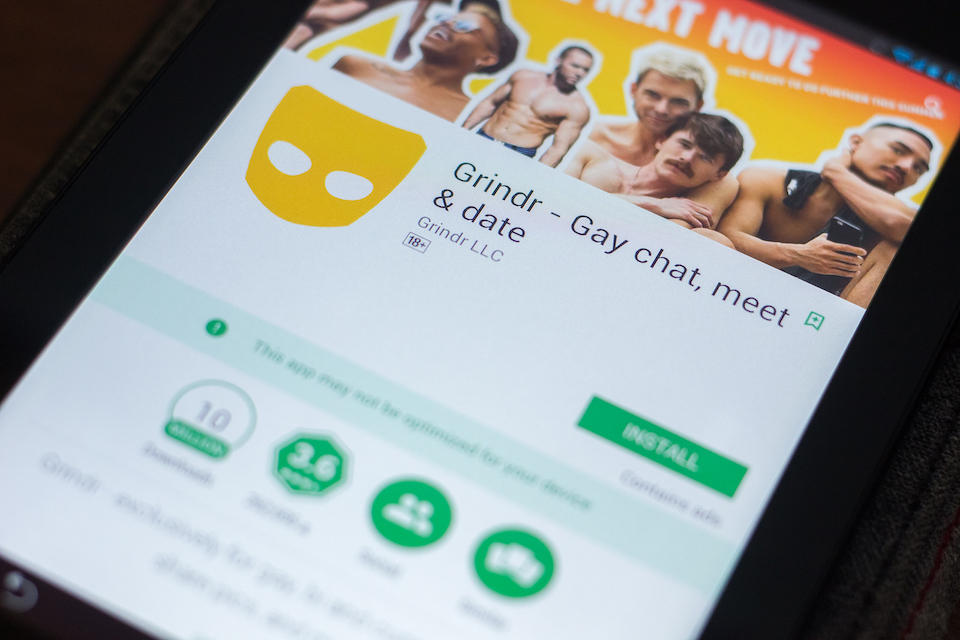
    Grindr is to be sold back to a US firm.

    In 2018 a majority stake in the world’s most popular gay hookup app was sold to a Chinese gaming firm in a deal that was worth nearly $100 million. However, the firm that sought to buy the firm, Kunlun Tech is going to auction off its stake by mid-2020.

    The Committee on Foreign Investment in the US ruled that the treasure trove of data held by Grindr would be a concern for the national security of the United States and is effectively forcing the sale of the company back to a US company. The ruling from the Committee on Foreign Investment also ordered that the firm cannot share any data harvested from the app.

    If no buyer is found the company will be forced to give over the app to a trustee.

    Last year Grindr came under fire after it was revealed that the new CEO, Scott Chen was a heterosexual man, who seemingly took an anti-gay marriage stance.

    Scott Chen, wrote, in a deleted (but later reinstated) social media message that it was his belief that marriage should be between and man and a woman.

    He said, “There are people who believe that marriage is a holy matrimony between a man and a woman. I agree but that’s none of our business. There are also people who believe that the purpose of marriage is to create children that carry their DNA. That’s also none of our business. There are people that are simply different from you, who desperately want to get married. They have their own reasons.”

    Earlier this year Grindr closed its online magazine, Into, which at the time was the world’s most read LGBT+ media brand. It went, according to SimliarWeb, from over 7.5 million unique readers in December 2018 to just over 300,000 last month.

  • Everything you need to know about Eurovision

    Everything you need to know about Eurovision

    With Eurovision just around the corner, we thought we’ve delve into the whys, hows and whens of the world’s biggest music competition.

    What is Eurovision about?

    In Eurovision, more than 40 countries compete to win votes for the best song! When the competition first started in 1956, it was exclusive to European countries and only seven nations participated. Since then, the rules have relaxed – so much so that even Australia is in.

    Today Eurovision is far from being just a song contest. It’s about music but it’s equally about putting on a show and creating a buzz. Among Eurovision winners is, for example, a group of monsters.

    How many people tune in… and why?

    Embed from Getty Images

    Eurovision is considered one of the world’s longest running and most-watched reality television franchises, attracting up to 600 million viewers every year. In the last two decades, it has consistently ranked among the most-watched live entertainment TV broadcasts worldwide, outside of sporting events. The Super Bowl is peanuts compared to Eurovision!

    It’s hard to say why Eurovision is so popular. It has a strong fan base but most viewers are passionate about it only once a year, and some just love to hate it. William Lee Adams, a Eurovision blogger and YouTuber, describes Eurovision as a combination of “figure skating, beauty pageants, and singing competitions”. What’s not to love!

    Who decides the winner of Eurovision?

    The participating countries. For years, each country ranked other countries’ performances awarding them points from 1 to 12, excluding 9 and 11. Each country still awards the same number of points, but two sets of them; one from a national jury and the other from national televoting. So the top points can be anything between 12 and 24 points.

    This all happens live, and if you have no idea how the voting works, then it’s like watching a lecture on nuclear physics. On top of that, the voting takes place when it’s way past bedtime (if you watch it in Russia anyway).

    Has anyone famous ever won Eurovision?

    Embed from Getty Images

    Yes; but they weren’t particularly well known when they did. ABBA won in 1974 with “Waterloo” and made their international breakthrough shortly after. Few people know that the group had released “Ring Ring” a year before – they were never chosen to represent Sweden in Eurovision with the song but they did top the charts across Europe and South Africa.

    Embed from Getty Images

    Céline Dion won Eurovision with “Ne partez pas sans moi”, representing Switzerland in 1988, although she is Canadian. Anyone can represent any country in Eurovision, and anyone can write the song, regardless of their nationality.

    Which country has won Eurovision the most?

    Ireland has won Eurovision seven times which is more than any other country, but looking at the distribution of ‘maximum points’ votes instead of wins, the UK’s entries have been the most successful in the song contest’s final history.

    According to Casumo’s findings, however, things might be about to change. Sweden is a close second for both the number of wins and distribution of ‘maximum points’ votes. Given the Scandinavian country’s recent strong track record – 10 top 5 positions since 2000 – Ireland and the UK have no reason to be complacent.

    Do countries favour each other?

    Embed from Getty Images

    Oh yes. This is why the European Broadcasting Union introduced national juries to balance the results from televoting in each country. Some people argue that the juries are just as corrupt as televoting, which is influenced not only by sympathies and shared cultural ties between countries, but also the movement of people from one country to another. There is, for example, a significant Greek population in Cyprus and Finnish population in Sweden.

    Casumo found out which countries have given their ‘maximum points’ vote to the same country the most frequently over the years. Number one was Cyprus, who gave a ‘maximum points’ vote to Greece as many as 22 times (37% of the time the country has been eligible to vote Greece).

    Who’s the favourite to win this year?

    Embed from Getty Images

    Currently, Duncan Laurence of the Netherlands is considered a frontrunner, but Russia’s Sergey Lazarev and Italy’s Mahmood follow close behind – all quite conventional pop tunes. One thing to keep an eye on is who each country gives their ‘maximum points’ vote to. The UK has backed the eventual competition winner by awarding them the ‘maximum points’ vote on 25 occasions. Latvia and Australia have backed the winner most regularly – in 50% of the finals they’ve been eligible to vote in.

    Romania and Azerbaijan, however, have never guessed the winner correctly…

    Who organises the event, and why is it in Israel this year?

    Embed from Getty Images

    The contest is organised by the national public broadcaster of the country that won the year before. Last year Israel’s Netta Barzilai won, so Israel is this year’s host nation. The European Broadcasting Union supports and supervises the work of the host broadcaster, so the contest looks pretty much the same every year: big, shiny and extravagant.

    In the 1990s, Ireland hosted Eurovision four times in just five years. What the nation lost in organising costs, it certainly gained in visibility!

  • INTERVIEW | Ute Lemper, The Diva’s Delight

    INTERVIEW | Ute Lemper, The Diva’s Delight

    Sasha de Suinn interviews Ute Lemper, the world-famous – and hugely LGBT friendly – jazz and chanson singer on her upcoming, sold-out show – Rendezvous, with Marlene, at London’s Arcola Theatre

    What makes a killer diva? Is it surviving the frenzied, hot-pout hurricanes routinely weathered by the strutting queens in Pose?
    Or – arguably better – surviving every possible shift in the facile, pop-trash demographic spoon-fed by reigning low-brow Simon Cowell?

    Perhaps, but rarer still is one essential ingredient; jaw-dropping talent.

    Not that England’s particularly thin on the ground in that respect; for every ridiculously over-praised whiner like Celine Dion or Madonna, we have a Shirley Bassey, a Dusty Springfield, an Adele and Amy Winehouse. Still, as shockingly good as those artists are, the most revered, rarefied divas – which must, without doubt, include opera queen supreme Maria Callas and legendary French chansonnier Edith Piaf – both transcend and encapsulate their formative cultures.

    In brief, they’re shockingly, almost dangerously definitive, iconically flash-freezing the cultural mountain peaks they’ve chosen to climb and conquer.

    Which brings us, quite fittingly, to the lithe, Teutonic, mistakenly supposed ice goddess Ute Lemper, a killer blonde that Alfred Hitchcock – with his infamous fetish for fair-haired females – would have cast on the spot.

    Unsuprisingly, she’s left striking, indelible landmarks on the cultural landscape; some future, artistic archaeologist might unearth the riveting footage of Ute nonchalantly walking a public catwalk naked and heavily pregnant in the movie Pret-A-Porter, and regard it with the awe reserved for Cleopatra’s intimate relics.

    Myself, I’m endlessly enchanted by the sulphuric glamour and corrosive aplomb of her turn as seductress Velma Kelly in the filmed musical version of Chicago, and the memories of an outstanding, intimate gig Ute gave at NYC’s hugely prestigious Carlyle jazz club.

    The year? 2005, and – sitting only inches from the diva herself – I was overwhelmed by the intensity, conviction and commitment she drew from every micro-managed note, on a inflection and lyric of her chosen repertoire. And my inner tranny, of course – at that time given flaming, 24-7 expression sky-high on a teeming, non-stop horde of female hormones – was immediately transfixed by Ute’s bias-cut, black, low-cut silk dress, painstakingly highlighting her figure with the panache of some implausibly perfect glove.

    Her performance, of course, was magisterial and definitive, bringing a concise nuance to Brecht and Weill that drew audible gasps of appreciation from the audience, and – en route to a punishing early, morning interview for this tranny-granny night-owl, I found myself deeply pondering Ute’s electrifying ability to deliver her material with total authority and mastery on stage.

    Rushed and breathless on a frosty May morning, I arrive and meet PR guru Kevin Wilson, and ushered to meet Ute, who – quite charmingly – directs us to a quiet, discrete corner where we won’t be bothered. She’s immediately welcoming, and – like all upper-echelon film, stage and music stars – effortlessly makes me feel as ease.

    The first question’s obvious; was music always a consuming passion for her? Languidly chic in black mules, loose black silk pants and matching blouse, her straw-gold hair, green eyes and pale skin intermittently lit by early morning sunlight, she instantly smiles and reminisces. “I would say all the way back, (in her life) music was always the universe I wanted to live in, I grew up with great idols we grew up with this great music, R&B and jazz, but it wasn’t my culture, it wasn’t British culture either, the great rock bands, Al Jarreau and George Benson, Joni Mitchell all this fantastic music, to the extent it was hard for me to see who am I in this music world. And then I encountered the music of Brecht and Weill, and it was really incredible to find this music full of spirit and intellect written in German, it was poetic and theatrical; and written for the young people of that time of course, and it had already been written a long time ago when I discovered it, so it gave me a certain artistic identity to perform it, and I went to study in Vienna and found it was one job after another…”

    Ute’s speaking voice – crystal-clear as a verbal river, and addictively garnished with precise, German vowels in her otherwise faultless English – is also intensely descriptive, her shifts of pitch and emphasis immediately painting compelling sonic portraits. But – mindful of the incendiary, religious politics castigating sexual diversity worldwide – could parts of her repertoire offend intolerant regimes? Rightly or wrongly, the songs of Kurt Weill and Bertolt Brecht has become indelibly symbolic of the sexual and theatrical excesses of the Weimar era republic, that fabulous demi-mondaine of transvestites, dominatrixes, gay men and lesbians so beguilingly portrayed in the movie Cabaret. And that positive visibility has been paralleled by the rise of the feminist MeToo movement; indeed, Brecht and Weill’s songs of self-determination and sexual liberation almost wrote a compelling rulebook for feminist activists decades ago.

    Do you find the pro-LGBT viewpoints and sympathies of Weimar cabaret present a problem when performing to audiences religiously and socially opposed to LGBT rights, especially in Israel and the Middle East?
    “Well, not in Israel” Ute continues, “You can do what you want, it’s quite fabulously liberated, but in the Islamic countries, I’ve been told not to reveal too much, not to go too far, not to provoke their notions of a woman’s status, and not to go too much into diversity details, I don’t mind, I do what I do, it is part of my range and image as a provocateur to present the material in the persona of a provocateur, so they know what they’re getting, but I wouldn’t do something from the film Cabaret in the Lebanon, I would do something more musical that doesn’t cause heart palpitations!!”

    Unlike other high-profile musicians – quite notoriously and notably the ex-Pink Floyd powerhouse Roger Waters, aggressively pro-Palestinian and anti-Semitic – Ute prefers to charm and persuade, not alienate.

    On a related note, the MeToo movement has become incredibly important in exposing, resisting and highlighting the despicable sexual predation that’s been routinely practiced by influential males across the performing arts, particularly the utterly repellent Harvey Weinstein. But the arts, arguably, have always been nuanced and aware than everyday life – more ‘woke’ in the current parlance – and strong women, like countless divas from Maria Callas, Dietrich, Madonna and Gaga have fearlessly rewritten the rule-book for female engagements with audiences and theatrical performance itself. Dietrich, of course – the incandescent focus of Ute’s show – enjoys constant mythic status in the LGBT world, and it’s fascinating that the now-legendary, three-hour phone call Dietrich made to Ute in New York from her apartment in Berlin – formed the basis, thirty years later, of Ute’s current magnum opus, Rendezvous with Marlene.

    Ute chuckles. “Well, it’s taken 30 years to illuminate the whole context of Marlene’s journey. It was clear to me when I spoke to her when she went back to Germany after fifteen years and people in the 1960s were saying, ‘Go home, we don’t want you Marlene you’re a traitor to the fatherland.’ You see, the shadows the Nazis had cast was very long, and it was an unbelievable way she was treated in her own country, seen as a traitor because she’d sung for the American soldiers in World War Two, and it was an incredibly painful experience for her; she did only one more tour and a UNICEF gala, and I remember she said to me she would only go back one time in a coffin – dead.

    “She wanted to be buried next to her mother in a cemetery in Berlin. What was clear, what was the most striking thing in her conversation, was her melancholy, her anger, her bitterness, her desperation about having lost that piece of her life which was her home, her childhood, the German language that she loved, the poets, her favourite poet Heine Maria Rilke, she quoted him constantly on the phone call, and of course I was completely in awe when Marlene called me, it was a very long phone call too, I didn’t quite know where to put it emotionally, when I told other people they would say, ‘You’re kidding me’, but I was young, I was busy, it was a time when I wasn’t ready to explore the emotional complexities of Marlene in my work but it is time for me now to refer to her life, and tell her story the way it was…the time of the phone call, thirty years ago now, was a time when I first thoroughly broke through, and there was a lot of media attention, I had to stand up and be very big and be something I didn’t feel I was, I didn’t feel I could quite fill out the role of a celebrity; really, I just wanted to relax and be who I was, so I just put the conversation with Marlene away and later, I was given a script, I was supposed to play Marlene in a play and I didn’t like it at all, I felt there hadn’t been enough research, she was a human person, not a stereotype or caricature, so I sent the writer a lot of research, and it’s time for me now to tell her story truthfully.”

    Exactly; there’s far more to Dietrich than endless, bad drag parodies attempting – and mostly failing – to sing ‘Falling in Love Again’ in a floor-scraping baritone. And – unlike fellow divas Garbo, Joan Crawford and Rita Hayworth, Dietrich always remained thoroughly grounded, down to earth and grateful for her (hard-won) success. Still, perhaps some nagging, internal sense of fair play compelled her to fanatically scrub and clean every dressing room she ever used; and as the actress Sian Phillips told me when she was preparing her own, West End take on Marlene in 1996, “She called herself the ‘Ajax Lady’ – she liked nothing better than a good scrub.” And what cosseted, snowflake divas today – much less in the 1940s – would risk their lives on the front line in wartime for the adopted home – the USA – that she loved?

    Forget the yo-yo popularity of current ‘celebutantes’ who live and die by their latest Instagrams and Tweets – hello, Trashdashians – Marlene built an enduring loyalty in her fan-base that lasted decades. And I remain completely awed by a Marlene anecdote told to me by a dear, American friend whose father fought the Nazis in Europe; Marlene, oblivious to the whistling bullets blazing past her, turned her back to the incoming gunfire and sang to the US troops in front of her. Now, that’s panache!

    Still, despite her regard for Marlene, it’d be a mistake to assume that Ute’s artistic focus is entirely confined to vintage divas and songs; in 2000, she released her acclaimed, millennial album Punishing Kiss, a title teasingly suggestive of the dominatrix/willing slave narrative of Leopold von Sacher-Masoch’s Venus In Furs, the contents of which sharply divided her critics, her most arguably her ‘Marmite’ album to date; listeners either loved or loathed what they heard. Still, ironically, that’s a truism more accurately applied to the hordes of Neo-cabaret and burlesque wannabees currently infesting London, somehow deluding themselves they’re conjuring the urbane, chansonnier glamour epitomised by Ute, an artist who effortlessly quantum-leaps far beyond talentless clones – and clowns.

    And it’s that lack of artistic substance which, arguably, fatally cripples London’s booming but facile neo-cabaret scene. At best, the work of uninspired copyists like Dusty Limits and Bernie Dieter is merely a caricature of a caricature, glitzily superficial with no depth, a cartoon take on Joel Gray and Liza Minelli’s showcase turns in Cabaret. But, how does that misguided, artistic strategy – modern performers tackling vintage sophistication – work turned on its’ head? How does Ute –the consummate mistress of the Weimar songbook – feel tackling the art of modern rock songwriters like Nick Cave and Elvis Costello on her Punishing Kiss album? And how does she feel their lyricism compared to Brecht and Weill?

    “Well, this was an interesting album, and I was quite intrigued to work with these writers – Tom Waits, Scott Walker, Neil Hanlon of the Divine Comedy, Elvis Costello – I enjoyed it, of course, but what I didn’t enjoy, quite, was being made to sing a song – something didn’t feel quite right about it, it was actually a spur for me to go and start writing myself, I thought, if I’m doing that album, and I’m singing a contemporary rock persons’ material, then why not write it myself? So, I started writing, then I did my Charles Bukowski project in NYC, with avantgarde music, and through that project I developed the courage to write myself with pretty accomplished music, and since then I have done plenty of my own creations, poems…”

    She’s being unnecessarily modest. One often overlooked aspect of Ute’s polymathic creativity is her painting, her love of committing her more elusive inspirations to canvas.

    “I began exploring painting in the 80s, I mean as a singer, you always have to look after your voice, but I’m always creative, and so when I wanted to create in silence, painting seemed the perfect answer, and at the time I was inspired by the whole, Cold War environment, the whole culture of West Berlin…I was inspired by this painter, Audrey Flack, she paints very fast with this very aggressive brushstroke, a whole painting is finished in just three hours, and it’s not abstract, but nudity and pieces of life that she throws into the canvas, so messing around with paint and oils, I’m autodidactic you know, self-taught, and being a dancer, I know the anatomy of men and women, so I thought it was great to explore this and just create in the silence and isolation and not be around people all the time… I lived in a loft in Berlin, and I painted with oils and I used turpentine to dilute, and it’s very toxic, and my brain was going on fire those years because I slept in that room where I painted, and with the smell of the turpentine sometimes, I dreamt that the whole world was a painting, they do this in movies these days, animated craziness…it was great!!”

    Ute laughs, and continues. “It was, oooh wow wow! You don’t have to smoke anything! Living in a room with the smell of oil paint and turpentine did it for me! It was like a drug!”

    Coincidentally, we discover we’d both lived in West Berlin during the Cold War before the fall of the Berlin Wall, and for those too young to have lived it, imagine a city-sized, walled-in paradise and playground, an explosively productive collision of unrestrained, peak-era Shoreditch gene-spliced with the raw gay hedonism of NYC’s infamous 1980’s saunas. Unbelievable? Well, you had to be there – like a hugely decadent, inverted mirror-image of the Gaza Strip, West Berlin was surrounded by the Russians behind the Iron Curtain, and thronged with actors, singers, dancers, film-makers and draft-dodgers all living like there was no tomorrow 24/7!

    Ute remembers it well. “If anyone had pushed that nuclear button we would get it first, West Berlin was a tiny little island in the DDR (Deutsche Demokratik Republik) block, and it was a whole different story, no west Berliner would identify himself as a West German, it was just different…a different universe, almost…I was the first West German to perform in the Berliner ensemble in January 1991, so yes, the reunification of Germany with the East was a political facelift, but it couldn’t immediately heal the psychological scars…the rise of neo-Nazi and right-wing movements since then is tragic, really tragic, I do a lot of concerts in East Berlin and they always enjoy the Marlene programme, it brings back a lot of their history, and it’s funny that when Marlene Marlene finally went back to Germany, she was only welcome in East Berlin, they loved her, the wall was not built yet, but it was still separated psychologically and politically – an interesting discrepancy there…”

    Our conversation turns to the peculiarities of performance venues; how does she feel about the Arcola as an artistic space?
    “Well, it’s very small – a little too small, perhaps – I like it a little bigger, but it’s very authentic, whatever is gonna happen there will be very, very real, of course it can’t be like a Broadway performance, that would be ridiculous, but I like the Arcola’s dimension of reality, the exposed brick walls, it reminded me of a venue in Paris, and it almost had a Berlin character, a little run-down, it doesn’t have a glamorous atmosphere at all, although there will be glamour in the show because Dietrich was glamorous, so we’ll have to work on the lighting and staging, but once the lights go out the magic begins, I’ve done it on big stages and symphony stages and in different languages, but it’s the kind of show that can work anywhere.”

    How do you feel the show’s been perceived in previous productions?
    “Very well. It’s very authentic–you cannot not like it, it’s a piece of history, it’s very seriously acted and told, and a lot of the musicians are very good, when we do it in Germany it just takes wings into the hearts and history of the audience, it’s almost heart-breaking, people go out with tears in their eyes, it’s a very moving show.”

    I tell her that every time I’ve seen her perform, I’ve been simply entranced, because like all the stone cold killer icons – Shirley Bassey comes strongly to mind – she has the strength to be emotionally vulnerable on stage, to be open to the audience and forge an immediate, empathic connection, not the tedious schmaltz and mock-sincerity routinely peddled by plodding tunesmiths One Direction and their mass-produced ilk.

    “Yes, perhaps” she reflects, “that ability to evoke the transparency of the heart and soul becomes easier when you’re older, and when I was younger, I always felt it, but I was not always conscious of capacity, because when you’re younger, other things matter, all that energy and power, all of that, and it’s a distraction, but when you’re a little older, you can peel all that off, and the craft will come back…”

    Most definitely. I tell her, quite truthfully, that I’m pig-sick of vapid musicals and the empty-headed excursions in egotism so-called ‘star’ performers inflict on the West End, and that – by merciful contrast – she offers work far more intense and worthwhile than Broadway’s fluffy feel-good indulgences. She laughs, appreciating the compliment.

    “But then, there are different kind of shows; some can be most intense in the silence not the action, but we’re used to a certain type of unsubtle production nowadays, so it’s good that we still have theatre, and shows that don’t have to obey the rules or commercial restraints, that experimental that theatre can still happen in a different way.”

    Speaking of commercial theatre, did she find the physical demands of playing Velma Kelly in Chicago a stretch? The simultaneous acting, singing and dancing?

    “Yeah that was difficult, but I didn’t mind so much the slapstick, and there was not much depth to the part (laughs) and I almost wanted to jump off the boat with it, I didn’t like being trapped in it- well, but I was stuck with it…Sure, I enjoyed certain aspects of it, it was great exposure, but it just wasn’t a work of my heart…”

    And Rendezvous With Marlene is? “Well of course – Marlene’s my baby!!!”

    Indeed. Let’s wish Marlene a happy delivery – every night!


    Ute Lemper: A Rendezvous With Marlene runs 14th-19th May @ Arcola Theatre, 24 Ashwin Street, Dalston E8 3DL.

    Dalston Kingsland Station. Tickets: 02075031646 or boxoffice@arcolatheatre.com

  • DILEMMA | I’m scared that I’ll fart during anal sex

    Dear TGUK,

    I’m worried about farts during sex. I’m still a butt virgin, meaning I’ve not had anal sex yet as a bottom, but I’m worried that I might fart, which seems like it’s the most embarrassing thing that can happen during sex. What can I do to stop the farts.”

    Simon

    Notts.

    Dear Simon,

    You can’t stop the farts. But the likelihood of you doing one during the middle of anal sex isn’t that high, particularly if you stay away from these foods before having anal sex.

    However, with the dick acting as a plunger into your ass, air will creep in and at some point that air has to come out. It’s just all part of the butt sex thing and the best thing to do is either laugh it off or just ignore it. Your top will most likely be totally engrossed with what he’s doing that he won’t notice and if he’s totally grossed out by your bottom rasp then maybe he needs to reconsider his sex role.

    how can i stop farts during anal sex

    So stop worrying, as worrying will only cause you to tense up and being tense (down there) during sex is not a good thing. Don’t compare your sex life to that of what you see in porn, where tops are able to stick their dicks in straight away, they always have hard cocks and bottoms can take a pounding for what seems like hours on end and never fart. Sex in real life can be messy, can take lots of time and can be very funny. So relax. If you need tips on how to be clean during anal sex try out these suggestions if you want to know about what type of lube for anal is the best click here.

    Just make sure you’re ready, use lots of lube and have fun.

    Have you got a dilemma? Click here to send us a message.

  • Bobby Norris reveals horrendous death wish against him

    Bobby Norris reveals horrendous death wish against him

    When it comes to online hate, Towie star Bobby Norris is getting some horrendous messages, including one from a user who tells the star to “burn in a fire”.

    Bobby Norris has revealed a shocking death wish against him from online trolls. The TOWIE star, who recently delivered a petition with over 100,000 signatures on it to 10 Downing Street to bring attention to online homophobic bullying revealed that over the weekend he was subjected to a vile death wish from someone online.

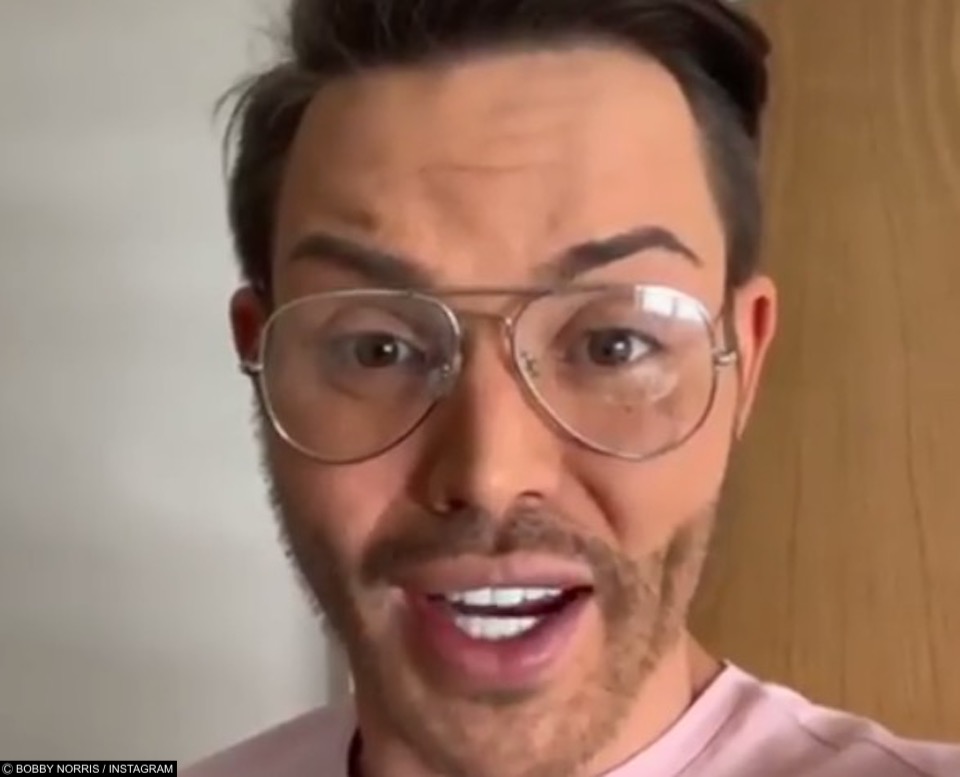
    Taking to social media, the reality star, who was apparently about to cook his roast dinner on Sunday afternoon, revealed that he had been subject to online abuse from someone who wished him “a painful death”.

    He wrote, “What is wrong with some people?! Luckily I’ve got a thick skin but some people haven’t”.

    In the video, the star also exclaimed that people who wished death on him were “sick”.

    He then shared a message from another user identified as xJennyReidx, which read, “fk you and fk your sexuality, go burn in a fire you gay c**t”

    https://www.instagram.com/p/BxXiLgmJIHn/