Tag: Twitter

All the latest breaking news on Twitter. Browse The THEGAYUK’s complete collection of features and commentary on Twitter and the LGBT+ community.

  • This student has gone viral after hitting out at a homophobic bully

    This student has gone viral after hitting out at a homophobic bully

    “Call me a fag one more time”

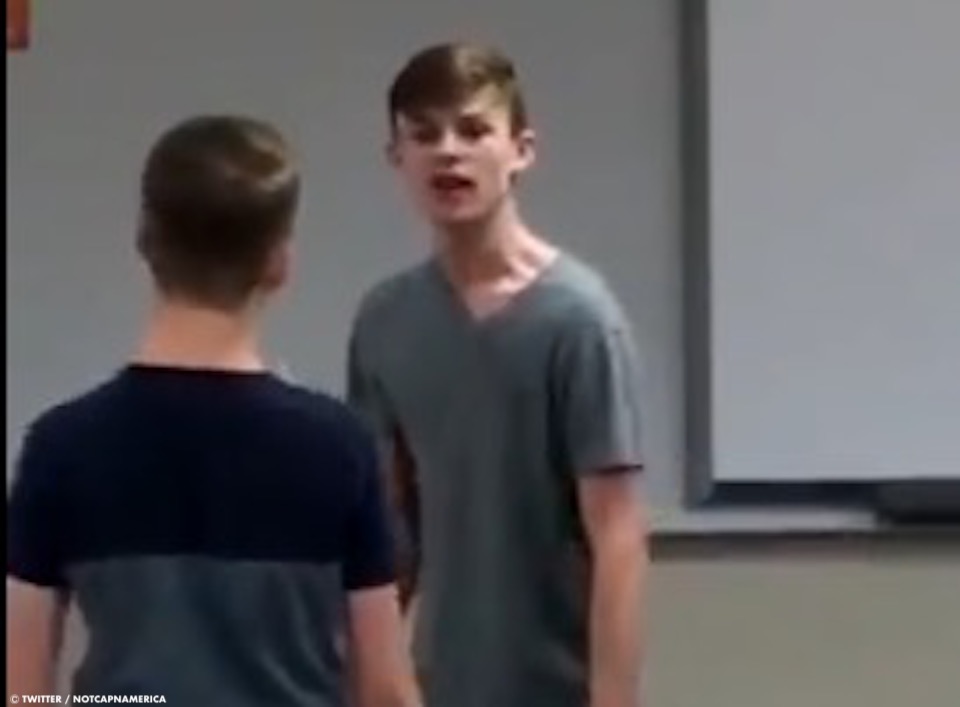
    An American student, identified as “Jordy” has become a viral sensation after nearly slapping a guy out cold – after being called “faggot” in a classroom full of students.

    The incident, which was filmed by a couple of students during a school day, surfaced on Twitter with one of the videos being viewed over 10 million times.

    In the clip “Jordy” is heard saying, “I’m mufthafucking done with you, call me a fag one more time…”

    From another angle, the victim of the slap is heard calling Jordy “faggot”

    https://twitter.com/late_night_blog/status/1193487199649640448?ref_src=twsrc%5Etfw%7Ctwcamp%5Etweetembed%7Ctwterm%5E1193487199649640448&ref_url=https%3A%2F%2Fwww.cocktailsandcocktalk.com%2F2019%2F11%2Fthis-boy-is-going-viral-for-hitting-back-literally-at-homophobic-bully%2F

    What’s the best way to deal with school bullies? Chat about this and more in our forum

  • This one tweet might have just summed up gay culture

    This one tweet might have just summed up gay culture

    And it uses a Sex in the City analogy, so double points

    The differences between straight people and gay people can feel world’s apart sometimes.

    Despite the fact that the legal and social gaps between gay and straight people are closing year on year, especially in the UK and other Westernised cultures, somethings probably won’t ever change.

    One of the major differences is the way in which gay guys view, have and find sex.

    Anecdotally, it feels as though gay/bi/curious men tend to have many more sexual partners than their straight counterparts.

    So when we discovered this tweet from “Gay-Z” it felt like there could be a smidge of truth to it.

    In the tweet, he wrote,

    “Gay culture is being the Samatha of your straight group, but the Charlotte of your gay one”

    https://twitter.com/FabDambrosio/status/1191995178120306688

    For those not in the know, Samatha in Sex in the City was the far more raunchy, sexualised character – who had many sexual partners and sexual exploits than her friends.

    Charlotte was a lot more reserved.

    Controversial or truth?

    The tweet could be seen as controversial, however, many of the repliers agreed with the statement, with one saying that it was “good” and another adding, “This is 100% accurate”.

    https://twitter.com/JoeThompson_/status/1192418126996148226
    https://twitter.com/andrewdmct/status/1192434109081100291

    What do you think – does this Tweet sum up “gay culture”?

  • COMMENT | Is social media a blessing or a curse when it comes to mental health?

    COMMENT | Is social media a blessing or a curse when it comes to mental health?

    CREDIT: Minerva-Studio-bigstock

    Use of social networking sites and the prevalence of anxiety and depression is on the rise worldwide.

    But, is there a connection between social media and mental health concerns? Dr Shazia Bhatti, General Practitioner at the private GP clinic London Doctors Clinic is here to break down the facts.

    How can social media impact mental health?

    With smartphones in the pockets of almost every person in the UK, our lives are now full of; posts, followers, subscribers, likes/dislikes and comments.

    We live in an age where communicating has evolved to far more than just the spoken word. Social media has changed how we talk and share information with one another – ultimately impacting how we live our lives.

    The positive side of social media

    In many cases, this is a blessing. Social networks are breaking boundaries, allowing us to communicate and get information from different countries and communities instantly! We have immediate access to breaking news and the story can go viral within minutes. As the name suggests, social media can be used to socialise. We can keep up to date with both old and new friends, helping us remain in contact with people we may have otherwise lost touch with. We are able to explore the world via the internet, learn new skills and for some people it has even become a full-time career! Aside from this, social media can also provide people with a sense of place, helping people find different communities of like-minded individuals with similar lives or backgrounds. Here people can learn about their health and mental health and seek advice from those who have gone through similar situations via support groups. This can help people to find suitable support, even if they do not feel comfortable expressing their worries or concerns to friends or relatives.

    The negative side of social media

    On the other hand, though, research has also found that social media could be detrimental for mental health. Much of the evidence which suggests that social media could be harmful to mental wellbeing is related to cyber-bullying. This could include online ‘trolling’, name-calling, creating a fake profile to intentionally damage another’s reputation or continuously harassing and threats of physical harm. One of the most common forms of online bullying is posting negative comments on someone’s profile, which can be about any aspect of their life, such as social status, appearance, family or job. What makes this type of bullying so harmful is that the bullies can be anonymous, meaning they rarely receive negative repercussions, but the posts can be seen by the whole world.

    For someone experiencing cyberbullying, it can lead to a whole host of negative implications for their health, in particular, their mental health. They may be left feeling alone, rejected, ashamed, humiliated and afraid which can result in stress and anger. In their personal and professional life, this might be shown through an increase in days off work, increase in mental health issues, reduced self-esteem, suicidal ideation, and poor physical health which may lead to tobacco, alcohol drug and other substance abuse.

    How are social media ‘ideals’ having an impact?

    ©-Maridav-Depositphotos

    In most cases, social media is a highlights reel for many people’s lives, with posts that are shared often being manipulated in order to look perfect and ‘bad’ days rarely (if ever) shared. While these photoshopped images of people with perfect bodies may be aesthetically pleasing, they can be harmful and promote negative messages. This is because they can affect our body confidence and how we perceive our appearance.

    Recent studies have found that there is a link between viewing images of perfect bodies online, on Instagram, Facebook pages and developing personal body dissatisfaction.

    The craze of displaying altered manipulated photographic images via Photoshop and Lightroom program creating a false, unachievable and unrealistic digitally edited body image. This can, intentionally or not, send the message that people should not feel good about their looks unless it matches the images that social media culture promotes. This then lends itself to the rise in trolling, bullying, and body shaming those who do not fit in with that unrealistic image.

    The pressure from social media to have an unrealistic, ideal and perfect body is may lead to the increase in eating disorders, poor self-esteem, relationship issues, negative self-image, anxiety, depression, Body Dysmorphic disorder, self-harm and suicidal ideation.

    It is very important to encourage people to develop Digital Resilience to be able to understand that these perfect body images are often digitally enhanced and only showcasing someone’s best side. It is important to also learn how to be kind to yourself, to find things you like about yourself to create a more positive perception of yourself.

    What should you do if you or someone you know is struggling with their mental health?

    The negative effects of social media have often been associated with various mental health ailments, such as; anxiety, loneliness, fear of missing out (FOMO), low self-esteem, poor self-image, depression and suicidal ideation.

    It is very important to recognise the early signs of social media fatigue or mental health issues and seek help if you are concerned.

    Some of the signs that you should look out for include:

    • Feeling isolated
    • Being bullied and harassed
    • Receiving threats or abuse
    • Security attacks such as hacking, identity theft and viruses
    • If you feel targeted by hate groups
    • Constant low mood and feelings of depression
    • Feelings of anxiety when looking at social media comments
    • Difficulty in sleeping due to the constant need to check social media

    If you have experienced any of the above you should speak to someone that you trust, such as a family member, friends, a helpline or join a support group and ask for help. This will help to give a deeper understanding of how social media can affect your mental wellbeing and health and give advice on how to overcome it.

    Fortunately, awareness is now being bought to these issues and it is very encouraging to see brave people, celebrities, parents and family members who had dealt with negative effects of social media sharing their stories. This raises awareness, helps to form support groups and gives hope and guidance to others who may be experiencing these issues.

    The positive effect of Social media is that support groups and campaigns are helping the users to ignore and report the abusive messages they receive from online trolls as part of a new campaign to stop the spread of hateful content.

    The campaign group ‘Get Safe Online’ and the new charity ‘The Centre for Countering Digital Hate (CCDH)’ has published advice on how to best to deal with abuse. Social media users are encouraged to resist the urge to respond back and instead block the troll’s account immediately. It is also encouraged that messages received if they could be seen as containing criminal content, such serious trolling should also be reported to the police.

    Dr Shazia Bhatti, General Practitioner at the private GP clinic, London Doctors Clinic

  • Here’s what you should do if you ever find yourself in the centre of a Twitter storm

    Here’s what you should do if you ever find yourself in the centre of a Twitter storm

    PhotoMIX-Company / Pixabay

    It can happen over the most seemingly innocuous thoughts and actions and can be incredibly distressing and sickening if you happen to be at the centre of people’s fury on social media.

    Twittersphere can be one mean place if you, in the eyes of some of its users, get things wrong. Being at the centre of a Twitterstorm or a pile on can be a horrible experience lasting over a 24 to 48 hour period.

    So here’s what you should do if you ever find yourself in a twitter backlash.

    Delete the tweet

    Although this might seem like curtailing your speech or what you want to say, removing the “offending” tweet means that it can’t be retweeted or quoted – leading directly to your account.

    It’s the quickest way to stop a pile on in its tracks. Yes, some people will have screenshotted the tweet and they will continue to tweet it or may even tweet it at you, but its reach will be far less felt than if you were to leave it on your timeline.

    Just turn it off

    Turn off Twitter, in fact, delete the app for a few days, so you don’t feel the need to keep on checking what’s going on or what’s been said about you. Ride it out and try not to let your imagination run wild.

    A Twitter pile on can last from 24 hours to 48 hours and will then, most likely fade away as people move on. You may get a few tweets after this, but mostly people will have moved on.

    Just remember, people’s memories can be short on social media and there’s always someone else to distract and attract a Twitterstorm away from you.

    Make a decision on whether to apologise or not

    If you come to the conclusion on whether what you’ve tweeted is offensive and Twittersphere has a point, then apologise.

    Recently social media star Trisha Paytas found herself in the middle of an epic Twitterstorm after coming out as a “transgender gay man”. The tweet, which actually led people to a YouTube video was immediately met with scorn and derision.

    https://twitter.com/trishapaytas/status/1181270127947350016/

    The tweet became quickly ratio’d meaning that the comments outranked the number of Retweets and likes, meaning that in Twitter world you’ve usually done something very very wrong.

    Trisha made an apology video within 48 hours and the pile on continued on with that Tweet, receiving over 700 comments and only 49 retweets, which meant that her apology wasn’t widely shared, so only a fraction of those aware of the story actually heard her apology.

    Meanwhile, her original “I Am Transgender” tweet continued to grow and was even picked up by the editorial team at Twitters’ moments, boosting the Tweet even further.

    If you do make an apology tweet, post or video- make it heartfelt and true and don’t use phrases like “I’m sorry you were offended”. These often PR managed tweets are met with even more backlash because people don’t and won’t believe it – and can even serve to elongate the storm.

    If you don’t feel you need to apologise – don’t. There’s nothing worse than someone apologising for something they’re not sorry for.

    Ignore it

    You can always ignore it, which is what Cosmopolitan Magazine did after it tweeted about gender critical feminists, called, “What you need to know about TERFS”

    The tweet saw thousands of people complaining about the article’s content. The magazine’s official Twitter account – which usually sees an interaction rate of 1 to 2 retweets or likes per post and rarely ever any comments, suddenly had over 7,000 retweets and thousands of comments.

    Dozens of people took to Cosmopolitan‘s timeline to say they had reported the tweet for hate speech, yet the magazine stood resolute, did not delete, did not apologise – basically it didn’t acknowledge the storm that it had created.

    Seek legal advice

    If you’ve tweeted something you shouldn’t have, like a high court’s super injuction or something that’s libelous or slanderous you might need to seek legal advice.

    You may also want to take legal advice or action if people are tweeting something about you that is factually incorrect, libellous or slanderous, as journalist Jack Monroe did against Katy Hopkins. The fallout from which saw the former TV star, journalist and radio presenter left with a huge legal bill after she lost.

  • Underwear brand Aussiebum criticised after ‘liking’ Trump tweets

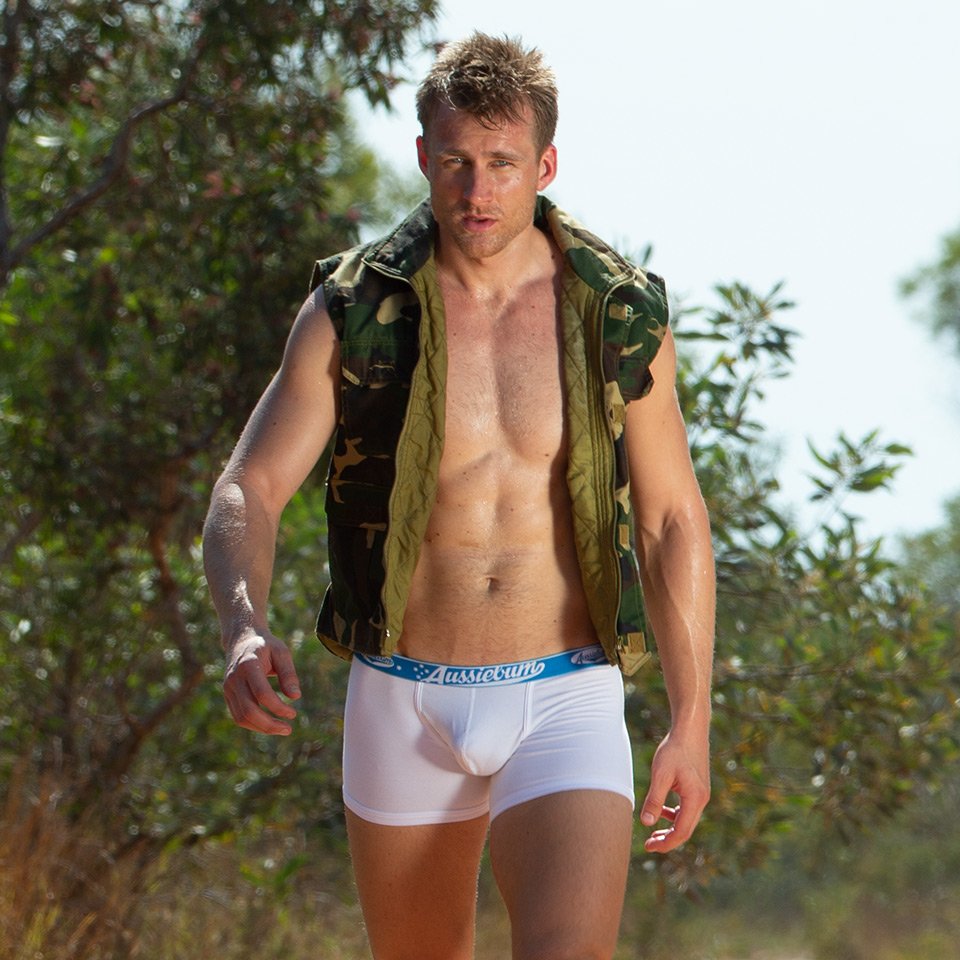
    The underwear brand Aussiebum has found itself having to explain why it ‘liked’ several of Donald Trump’s tweets.

    The Australian based underwear brand AussieBum has explained why it liked several of President Donald Trump‘s tweets, by claiming their account was “compromised”.

    The official Twitter account of AussieBum apparently liked some of Donald Trump’s more controversial tweets including ones calling Latin American refugees as “illegals”, calling The Washington Post “fake news” and Puerto Rico “one of the most corrupt places on Earth”

    The liked tweets were unearthed by a Twitter user. However after the news that Aussiebum had liked the tweets broke on several news sites, the brand swiftly, but without explanation removed their likes.

    https://twitter.com/blake_nikolasx/status/1168018282307358721?ref_src=twsrc%5Etfw%7Ctwcamp%5Etweetembed%7Ctwterm%5E1168018282307358721&ref_url=https%3A%2F%2Fwww.queerty.com%2Faussiebum-likes-trumps-tweets-calling-refugees-illegals-puerto-rico-corrupt-20190904

    The brand did reach out to fans on Twitter with the message, “Hi there- sorry for this! We found out that our account was compromised for a short period of time and someone thought it was funny to like Donald Trump. We have now corrected this and secured our account. Cheers, aussieBum Team”.

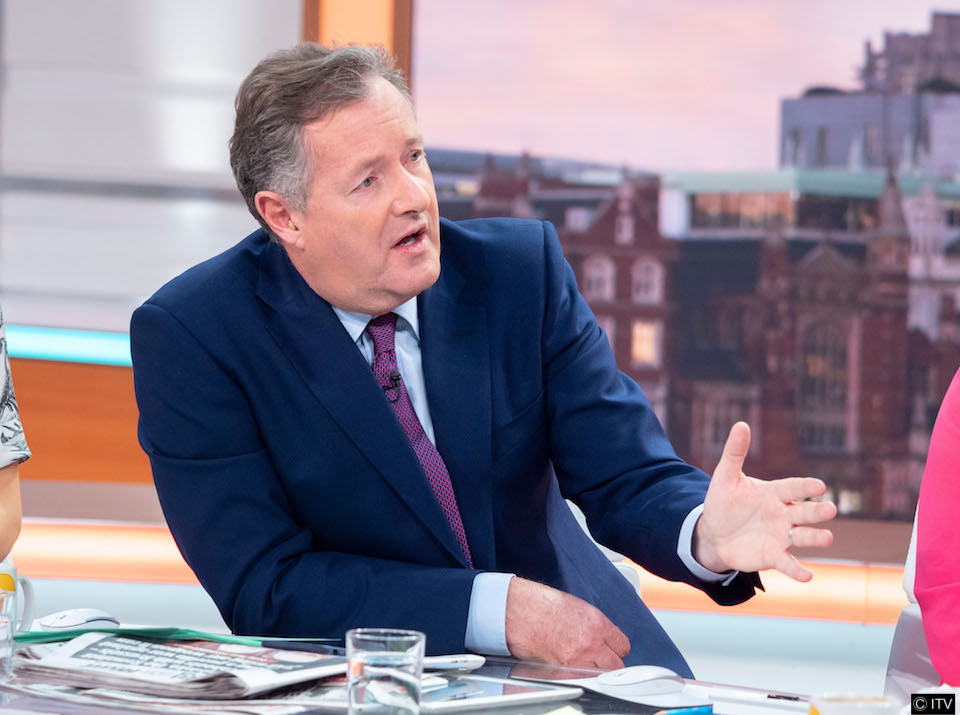
  • Piers Morgan offered £1 million to get off Twitter

    Piers Morgan offered £1 million to get off Twitter

    The controversial Good Morning Britain presenter has been offered £1 million to leave Twitter for a year.

    (ITV)

    The founder of HushHush.com, an online marketplace dubbed “Amazon for millionaires”, is offering Piers Morgan £1m to quit posting on Twitter.

    This is following Piers’ resolution earlier this year to continue annoying as many members of the public as possible. After analysing his Twitter profile for social sentiment, HushHush.com found that only 10% of interactions with Piers Morgan were positive.

    The official offer can be seen on the HushHush.com website with the Terms and Conditions here: https://www.hushhush.com/million-pound-question/

    Piers Morgan is notorious for his prolific Twitter posts and getting into public spats with celebrities and members of the public. As well as the content of his tweets, he’s also known for the frequency of them, and it’s not uncommon for him to post more than 22 tweets in a 24-hour timeframe.

    However, the presenter has already poo-pooed the offer saying it would cost at least £10 million to make him think about the offer.

    Aaron Harpin, founder and CEO of HushHush.com said, “They say that money can’t buy happiness, but this offer comes pretty close. At HushHush.com, we make people’s dreams come true with luxurious products and experiences, but none sound better than this. Imagine 365 days of Piers-free bliss online! This isn’t being stretched to Piers’ TV appearances but at least it’s easier to turn the TV off than to avoid him online!

    “Personally, I just cannot understand how someone can be so opinionated all the time. My only fear is that he could come back worse than before, but it’ll be a nice break. I hope if he accepts it will go towards making Twitter a more pleasant social media platform.”

  • Twitter could be adding this amazing feature to combat bullying

    Twitter could be adding this amazing feature to combat bullying

    Twitter could be adding this one feature that will help combat cyberbullying.

    PhotoMIX-Company / Pixabay

    THEGAYUK has learned that Twitter could be adding a “hide replies” feature. An innovation that could help anyone who is the target of online or cyberbullying remove hateful messages without deleting crucial evidence for the police.

    Twitter, for many, has become a toxic battleground and where cyberbullying is rife. In 2018 THEGAYUK discovered that anti-gay and homophobic slurs were racking up in their millions on the platform. Just before Donald Trump’s win as President in the 2016 US Election, Twitter saw a surge in the word “f*ggot”.

    A hide feature would help users control what they see and when they see it. It could work very similarly to the Turn Off Comments function on YouTube.

    It could also allow the primary user to help control the conversation, remove falsehoods or hate from their timeline, before other users jump in on a thread.

    Twitter has recently rolled out a number of schemes to help detoxify the app.

    In 2018 it said it would ban deadnaming and misgendering for trans people.

    It’s not clear if and when this feature will be rolled out.


  • These celebs are guilty of sending Anti-LGBT Tweets

    These celebs are guilty of sending Anti-LGBT Tweets

    Even in celeb-land anti-LGBT senitment is rife…

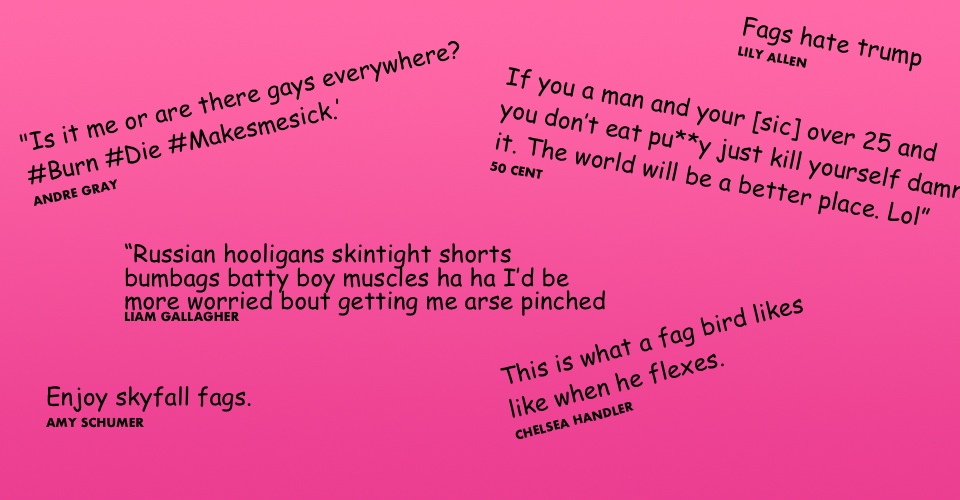
    The word “Faggot” has been used million times of times. According to nohomophobes.com, it’s been used over 39,500,000 times on Twitter since 2012. It shows just how far we’ve yet to go. However what is more distressing is that the celeb world has also had its fair share of anti-gay Tweeting action. We’ve done some digging and here are our top celebrity Twitter gaffes.

    50 Cent

    Embed from Getty Images

    If you a man and your [sic] over 25 and you don’t eat pu**y just kill yourself damn it. The world will be a better place. Lol”

    50 Cent tweeted this in 2010, a day after a 19-year-old college student committed suicide, making national news, because of homophobic bullying.

    We wouldn’t call this a laughing matter.

    Alec Baldwin

    Embed from Getty Images

    The actor took to Twitter to make a seemingly anti-gay slur towards the New York Daily News Editor in Chief British-born Colin Myler.

    “Her Highness Colin Myler… Please don’t do to the News what you did to NOTW…,”

    Baldwin tweeted, just after taking to the microblogging site to write:

    “Ever since that English Queen took over the Daily News, they lie like the Post…”

    It’s not the first time that Baldwin has been under fire for anti-gay language. In the 1990s, during a protest in New York City, he allegedly referred to a horse-drawn-carriage driver as a “fagg*t.” and last year he ridiculed Senator James Inhofe (R-OK), Tweeting:

    “We need to have Inhofe retire to a solar-powered gay bar.”

    Andre Gray

    Embed from Getty Images

    First up is Burnley footballer Andre Gray who posted a number of homophobic and offensive tweets in 2012. He was fined £25,000 and banned from four games.

    One tweet read,

    ‘Is it me or are there gays everywhere? #Burn #Die #Makesmesick.’

    Amir Khan

    I’m A Celeb’s, Amir Khan, was allegedly found to have Tweets on his timeline which were found to be homophobic. In a tweet said to have been sent in 2011, Khan allegedly wrote, “Nothing against them. Sort it out lad. No wonder pple think u like boys haha”.

    In another post from 2010, a tweet which read, “Abuse @saj23x for keeping pictures on his phone, he is defiantly gay after today’s tweet. Asll the guys beware, @saj23x is GAY” was sent from his official account.

    Amy Schumer

    Embed from Getty Images

    For someone who might consider herself an LGBT+ advocate, she certainly knows how to swing an anti-gay slur. In November 2012 she used the word fag on Twitter saying, “Enjoy skyfall fags. I’m bout to get knee deep in Helen Hunt”.

    Azealia Banks

    Embed from Getty Images

    The rapper has repeatedly taken to Twitter to call gay men Faggots and has on several occasions verbally attacked Perez Hilton, calling him anti-gay slurs.

    Blake Shelton

    Embed from Getty Images

    Blake Shelton tweeted a series of messages in 2010 which would later go on to haunt him before appearing on The Voice USA in 2016.. In one message he wrote,

    “Grown men who wear Chuck Taylor’s may as well write on their fore head “Cucumbers turn me on!!!”

    and then a year later he wrote,

    ”Standing in line at a coffee shop in LA talking with the man in front of me. He orders a skinny caramel latte. I couldn’t tell he was gay!!!’

    One Twitter user managed to find a cache of tweets considered homophobic,

    https://twitter.com/blakeshelton/status/765957327988072448/photo/1?ref_src=twsrc%5Etfw

    Cee Lo Green

    Embed from Getty Images

    Answering a music critic who called Cee Lo Green’s show “gross” and “inept”, the “Forget You” hit-maker tweeted,

    “I respect your criticism, but be fair! People enjoyed last night! I’m guessing you’re gay? And my masculinity offended you? Well f**k you!”

    Chelsea Handler

    Embed from Getty Images

    In 2010 Comedian Chelsea Handler used the anti-gay slur “fag” in a Tweet, she wrote,

    Chris Stokes

    Embed from Getty Images

    The Coventry City footballer Chris Stokes Caused outrage after he appeared to tweet an anti-gay slur.

    ‘This games [sic] embarrassing to watch!’ he said. ‘Bunch of faggots.’

    The tweet was sent whilst Leicester City won the Premier League in May 2016.

    Daniel Thomas

    Embed from Getty Images

    The Welsh footballer was £500 and handed a one-match suspension for sending an abusive message to Olympic diver Tom Daley on Twitter.

    Port Talbot Town midfielder Daniel Thomas was cleared of any charges earlier this year by police after tweeting a homophobic message relating to Daley and his diving partner Peter Waterfield’s performance at the London 2012 Olympics in July.

    A tweet later appeared on the footballer’s account that said:

    “If there is any consolation for finishing fourth at least Daley and Waterfield can go and bum each other #teamHIV.”

    Hazel E

    Not Twitter this time, but on Instagram. Hazel E star of the Love & Hip-Hop Hollywood TV show asked her gay fans to forgive her for saying, “burn in hell just like God said in the bible”

    She made the comment in a comment on her boyfriend’s already homophobic Instagram post, which proclaimed that he said he hoped all gays would die and go to hell.

    Jack Maynard

    Jack Maynard’s departure from I’m A Celebrity Get Me Out Of Here caused a huge media stir – with millions of viewers at home in the UK wondering what he had done so wrong to warrant leaving the jungle after just two days. Well, dozens of anti-gay tweets were discovered on his Twitter timeline dating back at least five years. Numerous racist slurs were also found on his timeline. The YouTuber left the jungle and it took him nearly three days to apologise for his error. It was an apology that didn’t go down particularly well – after he used a well-worn cliché “I’ve got lots of gay friends” during his interview with The Sun.

    Jared O’Mara

    An MP who sat on the Women’s and Equality Committee had past homophobic and sexist forum comments unearthed by the political website, Guido Fawkes. The MP, who unseated Nick Clegg in the last General Election, was said to have used numerous anti-gay slurs on the Morrissey Solo website forum and Drowned In Sound. Terms such as “fudge packers” and driving “up the marmite motorway” to describe gay people were used and a message was written that said gay people were “bitter and resentful about being homosexual”.

    The Labour party took action to suspend the newly elected MP for Sheffield Hallam. He also resigned from the Women’s and Equality committee.

    Jeremy Clarkson

    Embed from Getty Images

    The former Top Gear presenter was accused of homophobia after he tweeted a “judge packer” tweet.

    Jeremy Clarkson uploaded a picture of himself and Richard Hammond standing outside a fudge factory with the caption “We have got jobs at last. Here. As packers.”

    Josh Rivers

    Josh Rivers, the new editor of Gay Times was suspended and then fired after just 20 days in the job, following the discovery by Buzzfeed, of antisemitic, lesbian hating, body shaming and anti-Asian tweets in his Twitter timeline. The majority of tweets were published between 2010 and 2015.

    Rivers was working on a mandate of promoting inclusivity and diversity at the magazine when a number of incendiary comments on his Twitter account between 2010 and 2015. Some of the tweets which have been deleted described Jews as “gross” and some directed hatred towards lesbians, overweight women and men, and Asian and Chinese people. Apologising for his tweets, Rivers wrote: “To every single person who is hurt, offended and disappointed: I’m sorry”.

    He has now deleted his profile and now works for UK Black Pride as the Communications Director.

    Katie Hopkins

    This year Katie had problems with Rainbow police cars, police marching in pride parades, non-binary people, transgender people, the LGBT+ community in general. To be honest, her twitter timeline is full of moans and angry tweets – but fear not, apparently she deletes her entire catalogue once a week, so the offensiveness doesn’t last long. Screengrabs, however, are forever.

    Liam Gallagher

    Embed from Getty Images

    Former Oasis singer Liam Gallagher was accused of homophobia after “batty boy” tweet.

    Liam Gallagher faced tough criticism after a homophobic tweet was sent from his Twitter account, in which he used a gay slur to describe the behaviour of Russian football supporters.

    In the  tweet the former Oasis singer said,

    “Russian hooligans skintight shorts bumbags batty boy muscles ha ha I’d be more worried bout getting me arse pinched LG X”

    Lily Allen

    British singer, Lily Allen used the word “fags” on Twitter and got a response, trouble was it probably wasn’t the one that she was probably hoping for. Her Tweet, “Fags Hate Trump” did not go down well it’s fair to say. The singer was swiftly admonished by many in the community. Some called the singer ‘homophobic’.

    Miriam Quiambao

    Embed from Getty Images

    A former beauty queen from the Philippines took to twitter earlier in the year to tell her 300,000+ followers:

    “Homosexuality is not a sin but it is a lie from the devil. Do not be deceived. God loves gays and wants them to know the truth. LGBT or straight, man or woman, young or old, we all deserve love, respect and acceptance. We all need a saviour on Jesus Christ. God loves”

    She did later apologise for the comments.

    Nick Griffin

    Embed from Getty Images

    The least said about this former BNP leader the better. However, Nick Griffin does make our Anti-Gay Tweeter list.

    Last month he called upon his legion of fans to make their merry way to the house of Michael

    Black and John Morgan who won their discrimination case against a B&B owner who wouldn’t allow the couple to stay the night at her business. He tweeted from his @nickgriffinmep account two tweets which read: “So Messrs Black & Morgan, at [their address]. A British Justice team will come up to Huntington & give you a…

    “…bit of drama by way of reminding you that an English couple’s home is their castle. Say No to heterophobia!”

    His Twitter account was suspended for one day before being reinstated.

    Heterophobia? Yes, you read that right.

    Nile Ranger

    Embed from Getty Images

    A forward for Newcastle and Walsall’s Manny Smith were handed fines by the FA for their conduct. The content of the tweet is unknown however the FA decreed that the behaviour was “improper and/or brought the game into disrepute”, including “a reference to a person’s or persons’ sexual orientation”

    Ranger must pay £6,000, Smith £1,200.

    Ravel Morrison

    Embed from Getty Images

    Morrison was criticised and fined after a violently-worded message appeared on his Twitter page with a gay slur this year.

    He was fined £7000 for the outburst.

    The message on 19-year-old Morrison’s account reportedly read:

    “Crack head? Go suck out u little faggot your a guy that talks if u see me you try slap me I’m in manchester every week.”

    Rebekah Vardy


    Yet another 2017 I’m A Celeb alumni was allegedly found to have casual homophobia found on her Twitter timeline. Vardy never commented on the Twitter and has not apologised for the offensive tweet.

    Roland Martin

    Embed from Getty Images

    A US political commentator Roland Martin has apologised for causing any offence after sending a tweet during Sunday’s Super-Bowl which suggested: “smacking the ish” out of a man who enjoyed David Beckham’s H&M advert.

    Sarah Silverman

    Embed from Getty Images

    Silverman has used anti-gay slurs numerous times on Twitter. In 2010 she used the word “faggot” to describe a new series of The Bachelorette.

    Stormzy

    Nearly 20 homophobic tweets were found on the BBC’s ‘Artist of The Year’ – Stormzy’s twitter account. The tweets, some of which dated back to 2011 used homophobic slurs, like “no homo” and “faggot” to blast critics on his social media account.

    Stormzy was swift to issue an apology. In a statement, he wrote that the messages sent from his account were “unacceptable and disgusting”. He also said sorry and that he regretted sending the messages.

    Tom Barber


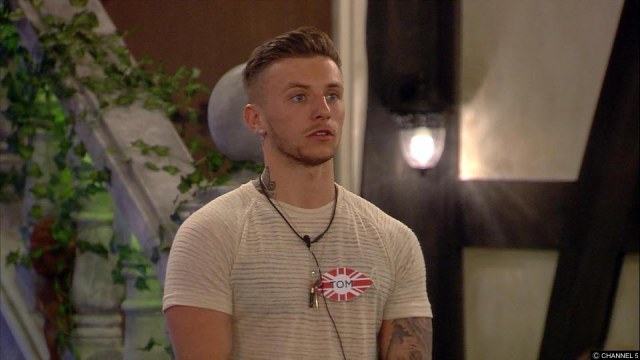
    Homophobic tweets sent by Big Brother housemate, Tom Barber came back to haunt him after it was revealed that he allegedly used the homophobic slur “faggot” and used “gay” and “lesbian” as pejorative descriptions in tweets sent to friends.

    Channel 5, the broadcast of Big Brother refused to remove him from the show, despite previous housemates from other series being removed for racist language on their Twitter accounts.

    Zoella

    One of Britain’s most popular YouTubers, Zoella, was caught with homophobic comments on her Twitter timeline. The 27-year-old who has over 12 million subscribers on the Google-owned platform, tweeted, “I find it funny when gay men spit… it’s like they’re trying to be a bit macho but never works”. The tweet dated back to 2010, before Zoella became the household name.

    In 2011 she allegedly wrote a tweet with an anti-trans slur saying,  “Are they honestly letting a tranny in a policeman hat speak to them like that? How odd! Haha x”.

    In her apology she wrote, “I’ve seen a few of my old tweets from 7/8 years ago floating around (which I have now deleted) using words like “chav” “skank” and other words I wouldn’t use now as part of my language and lot of them were taken out of context referring to TV shows but I would never say those things now and I’m sorry if I have offended anyone, that was not my intention.

    “Obviously that is not who I am today and I’d like to think I’m a little older and wiser! I’m not perfect and I’ve never claimed to be, I’m only human!”
  • Twitter is banning misgendering and deadnaming to protect transgender people

    Twitter is banning misgendering and deadnaming to protect transgender people

    Twitter is stepping up its protection policy for the trans community.

    Transgender Flag

    Deadnaming and misgendering could now get you a suspension from Twitter as it looks to sure up its safeguarding policy for transgender, non-binary and genderfluid people.

    The micro-blogging website is home to some of the most abusive conversations over transgender rights with feuds often breaking out between gender critical feminists and transgender activists.

    Well-known Twitter users such as Katie Hopkins have often used the site to hit out at, undermine, bully or insight hatred towards transgender people.

    Earlier in 2018, Katie Hopkins wrote that transgender women were just “castrated men” as well as calling trans women “sausage smugglers”.

    Now people who purposely misgender or dead name a trans person could find themselves suspended or banned from the platform forever.

    The policy now includes the wording, “Repeated and/or non-consensual slurs, epithets, racist and sexist tropes, or other content that degrades someone…

    Including “targeted misgendering or deadnaming of transgender individuals”.

    Punishment

    The social media giant has said that it will take action against those found to flaunt its policy. It writes,

    “We may ask someone to remove the violating content and serve a period of time in read-only mode before they can Tweet again.

    “Subsequent violations will lead to longer read-only periods and may eventually result in permanent account suspension”.


    Twitter has included language that specifically protects the transgender community from harmful content. PhotoMIX-Company / Pixabay

    What is deadnaming?

    Deadnaming is when a person refers to someone by a previous name, it could be done with malice or by accident. It mostly affects transgender people who have changed their name during their transition.

    For instance, if a trans woman’s birth name was Martin, but she changed it to Sarah during her transition, calling her Martin or referring to her as Martin would be deadnaming her.

    It is very similar to misgendering but focuses more on someone’s name rather than gender pronouns.


  • People are calling out Louis Walsh for grabbing Mel B’s bum

    People on Twitter are calling out Louis Walsh after patting her bum live on national TV.

    The clip, which has surfaced on Twitter was taken from an X Factor roundup show a few years ago and shows judge, Louis Walsh patting the former Spice Girl’s behind. The clip has been watched over 4.5 million times on the social platform.

    After Mel B calls out Walsh on why he is touching her inappropriately, Simon Cowell is seen joking to Mel,  “you’re safe” which some have found to be problematic. Louis says he was doing it to “look after” the star.

    “Why are you grabbing my butt”

    During the interview, Walsh can be seen tapping the singer’s butt while Mel B starts to look uncomfortable and looks off-screen before confronting Walsh. She then stops the interview, mid-flow and asks Walsh directly, “Why are you grabbing my butt?”.

    Walsh replies, “I’m looking after Mel.”

    Simon Cowell, whose company Syco owns the format for the show, jokes, “honestly you’re safe”.

    After Mel calls Walsh out, she physically moves herself away from Louis, before the interview continues.

    People are now calling on TV execs to remove him from TV shows and for Walsh to apologise for his actions. Unrelated, it was announced that Louis Walsh would not be returning to judge The X Factor for this year’s show.

    Many people have assumed that Walsh is gay, but in 2013 in an interview with the Sunday Times, when asked whether he was gay or straight he replied, “I can’t… Don’t go there. I can’t. I think your private life is your private life…I’m happy. Happy as Larry!”

    He’s never been married and has never publicly acknowledged anyone as a partner, however, he was spotted by one of our showbiz insiders at the Balans restaurant in South Beach, Florida, accompanied by a lovely looking tall dark and handsome type a few years back.

    THEGAYUK.com reached out ITV for comment.

  • With millions of anti-gay slurs on Twitter every year, is the platform safe for LGBT+ users?

    Millions of anti-gay slurs are issued on Twitter every year – so is Twitter up to the task of weeding out and stamping out homophobia?

    Granted there’s been a massive fall from the homophobia seen at its peak in 2013, but millions of slurs are still being published on Twitter every year. NoHomophobe.com has been tracking four commonly used slurs, “faggot”, “No Homo”, “So Gay” and “Dyke” since 2012.

    Today the website has tracked over 38 million instances of the word “faggot”, 13 million uses of the words “No Homo”, 12 million uses of the term “So Gay” and over 6 million uses of the word “Dyke”.

    The website was created by the Institute for Sexual Minority Studies and Services, at the University of Alberta, to “show the prevalence of casual homophobia in our society”, back in 2012.

    Although there has been a decrease, there are spikes in the usage of these harmful words. For instance, just before Donald Trump’s win as President in the 2016 US Election, Twitter saw a surge in the word “faggot”.

    Indeed, there are countless stories of LGBT+ celebrities suffering homophobic abuse, and then there are the celebs themselves who are caught with homophobia on their timelines, like Stormzy, Jack Maynard, Josh Rivers and Amir Khan.

    In recent months, however, the word “Dyke” has seen a dramatic increase in usage.

    What is Twitter doing about it?

    LoboStudioHamburg / Pixabay What is Twitter doing about the trans, bi and homophobia on its platform?

    Twitter does have policies in place to protect its community, but does it go far enough?

    Twitter says, “We will review and take enforcement action against accounts that target an individual, group of people, or a protected category with any of the following behavior [sic] in their profile information, i.e., usernames, display names, or profile bios”.

    Abusive slurs, racism and misogyny are explicitly cited, homophobia, biphobia and transphobia are not.

    Twitter also, however, notes that it will not act upon insults in its policy.

    So does Twitter really have a handle on hate directed towards the LGBT+ community?