Two years ago, a lone gunman entered the Pulse Nightclub in Orlando, Florida and opened fire. He killed 49 people and wounded dozens more.
On the 11th June, the popular Latin night at Pulse was in full swing. Pulse was a well-known LGBT club standing around a mile from downtown Orlando. That club has now become world-famous for the terrible atrocity and the events that would unfold well into the early hours of the 12th June. The attack would become the deadliest mass shooting by a single shooter in the United States.
That night, around 320 people were packed into the club, they were dancing, drinking and watching the entertainment. The night was just about to come to an end as last orders were announced at around 2:00 AM (the early morning on the 12th). At 2.02 AM the gunman entered the building and began shooting indiscriminately and holding terrified patrons hostage for hours before the siege was ended at 5:05 AM when police enforcement and a SWAT team stormed the building.
Dozens were killed and many received life-changing injuries.
Who are the victims?
Stanley Almodovar III, age 23
Amanda Alvear, 25
Oscar A. Aracena-Montero, 26
Rodolfo Ayala-Ayala, 33
Alejandro Barrios Martinez, 21
Martin Benitez Torres, 33
Antonio D. Brown, 30
Darryl R. Burt II, 29
Jonathan A. Camuy Vega, 24
Angel L. Candelario-Padro, 28
Simon A. Carrillo Fernandez, 31
Juan Chevez-Martinez, 25
Luis D. Conde, 39
Cory J. Connell, 21
Tevin E. Crosby, 25
Franky J. Dejesus Velazquez, 50
Deonka D. Drayton, 32
Mercedez M. Flores, 26
Peter O. Gonzalez-Cruz, 22
Juan R. Guerrero, 22
Paul T. Henry, 41
Frank Hernandez, 27
Miguel A. Honorato, 30
Javier Jorge-Reyes, 40
Jason B. Josaphat, 19
Eddie J. Justice, 30
Anthony L. Laureano Disla, 25
Christopher A. Leinonen, 32
Brenda L. Marquez McCool, 49
Jean C. Mendez Perez, 35
Akyra Monet Murray, 18
Kimberly Morris, 37
Jean C. Nieves Rodriguez, 27
Luis O. Ocasio-Capo, 20
Geraldo A. Ortiz-Jimenez, 25
Eric I. Ortiz-Rivera, 36
Joel Rayon Paniagua, 32
Enrique L. Rios Jr., 25
Juan P. Rivera Velazquez, 37
Yilmary Rodriguez Solivan, 24
Christopher J. Sanfeliz, 24
Xavier E. Serrano Rosado, 35
Gilberto R. Silva Menendez, 25
Edward Sotomayor Jr., 34
Shane E. Tomlinson, 33
Leroy Valentin Fernandez, 25
Luis S. Vielma, 22
Luis D. Wilson-Leon, 37
Jerald A. Wright, 31
Here are the reports that we have from the night and the year beyond, that changed the LGBT community in the US.
Dave Slick who starred in films for gay porn studios, Falcon Studios has died at the age of 26
The actor from Scotsdale, USA, who had starred in films for Falcon Studios, as well as cam-sex site Chaturbate, has died in Chicago, he was just 26-year-old. He was in the Chicago for the Exxxotica Expo convention.
“The missing man was found unconscious and not breathing about 11:35 a.m. Friday in a bathroom on the 100 block of West Jackson in Chicago, police said. He was taken to Rush University Medical Center, where he was pronounced dead”.
Tim Valenti, Naked Sword and Falcon Studios president, said, “He was earnest and ambitious. This is a tragic loss.”
During photos today at FlexSpas Cleveland! ? #towelselfie #almostnaked #behindthescenes #pornlife #menoffalcon #falconstudios #bathhouse #bathhouses #cleveland
A post shared by Dave Slick (@itsdaveslick) on
Tony Dimarco, a director for Falcon said on Twitter, “It’s heartbreaking to hear the news of the passing of DaveSlick@itsdaveslick It’s really hard to process it all. He was a super sweet guy and kind soul. My deepest sympathy’s go out to all his friends and family. Gone too soon, you will be greatly missed.”
It’s heartbreaking to hear the news of the passing of Dave Slick @itsdaveslick It’s really hard to process it all. He was a super sweet guy and kind soul. My deepest sympathy’s go out to all his friends and family. Gone too soon, you will be greatly missed. ? pic.twitter.com/UyOhNsRCgE
There are certain things not to say if your friend comes to you with and says that they are suffering with their mental health. Your reaction could really help or hinder their progress.
The lines that I would suggest avoiding in this situation are:
‘’Get yourself together.’’
Depression, for example, is not something you can simply put a cast on and a few weeks later it has healed. Mental conditions are not someone’s fault, and this statement implies that it is self-induced. It may also deepen the shame that they have if they’re struggling to come to terms with the fact they might have a mental illness.
‘’I get it, I have bad days too.”
While this seems like an attempt to build a connection and make how they’re feeling more relatable, this type of statement actually minimises the pain that they’re suffering and makes it sound as though their current mental state is trivial.
‘’You need to stop feeling sorry for yourself.’’
If someone is struggling to verbalise any negative or hard to deal with feelings, then this kind of statement will make them feel as though they are complaining and a burden to you. Throw away comments like this suggest that you’re not taking their emotions seriously – as though it is something that they can simply ‘get over’.
“What have you got to be down about, you have everything a person could want, a family, a wife, a job, a home.’’
What’s important to remember here is that mental illness is not a choice. A person can have everything that would make someone else happy, but that’s irregardless – they are still feeling mentally unwell, and this statement is unsupportive. A person may be successful on the outside, but no one knows what is happening on the inside.
“Everything is going to be fine.”
How do you know it is? Aside from the fact that this statement isn’t based on anything tangible, someone who is suffering from a mental health condition may struggle to see past the next hour. Asking them to look ahead is something that they may struggle to perceive.
“We should catch up sometime.”
Connection and consistency are important to someone who is struggling. These throwaway statements should not be used as they suggest that you may not mean it. Instead plan a time and a date and something definitive instead.
The Best Things To Say
“Are you okay?”
Simple but effective. It may be that no one has asked that simple question for a while and if you follow this up with “is there anything I can do to help?”, they may feel safe enough to begin the conversation.
“Let’s have a night in.”
By not suggesting that they need to get out more, it will allow them to approach their mental health in a step-by-step way. Instead, suggest staying in with them and do something that they will enjoy. It’s also a good opportunity to start a conversation and be there to listen while they share their feelings.
“Tell me about how you’re feeling.”
Be empathetic but not patronising. They don’t want to feel like they’re in a therapy session but by encouraging communication, they’ll hopefully feel like you’re a trustworthy ear.
“Give me a call if you ever need to chat – day or night.”
Finish your chat with them by reasserting the fact that you are there to chat whenever they need to. Then, make sure that you are actually available to talk when they do reach out. It will take them a lot of courage to pick up the phone and say that they’re struggling.
“Can I cook you dinner tonight?”
Little things go a long way. A simple gesture such as making them dinner will mean a lot to them and reassure them that you are looking out for their wellbeing.
“You are not in this alone.”
Instead of saying that “there is always someone who is worse off” which will make them feel inferior, try comforting them by saying that you will get through this together. A strong support network is key.
Keep Things Normal
Try not to treat them any differently. Ask them normal things such as “Do you want to go for a coffee?” or “Did you see that show last night?”. That way, they feel that their mental illness has not pushed people away and even if they say no, don’t give up on them, he may just need time.
“What Can I Do?”
Most of the time they will not need anything tangible, just someone to listen and not judge.
“How are you feeling today?”
Ask about how they truly feel instead of the generic “how are you?”. Try, “I have noticed you are not yourself and I want to know how you are feeling”, then be prepared to listen to them after without judgement.
“Do you need to talk? I’m here if so.”
Sometimes venting or talking about how and what they are feeling can make it a little bit better, even if just temporarily. However, the long-term positive effects from this question will be that they will know you are there for them and that they will feel supported.
Make sure that your check-ins are genuine and regular. Make sure that you don’t push them too hard, too soon but also don’t let them off the hook when they reply “I am fine”. There’s a fine balance between pushing someone too far, too soon and giving up too easily.
“What was the best part of your day?”
May sound like an odd thing to ask, but by asking them this, you’re essentially asking them to find a positive in each day. It will make them feel like they have achieved something and that they are successful.
“Chat to me about how you’re feeling.”
You can try open-ended questions. Try to keep language neutral and casual and give them plenty of time to answer and to find the right words to truly express their emotions. Likewise, when they do respond, try not to grill them with lots of questions.
“Do you want some space?”
While it’s important to show support by being present in someone’s life and ensure them that they are not alone and also making sure that they are not isolating themselves, often some time alone can be helpful to digest how they are feeling or to simply recharge their batteries.
What Answers Should You Be Worried About
Free-Photos / Pixabay
“I can’t do this anymore” or “I can’t go on.”
If you suspect they are thinking of taking their own life, it is very important to encourage them to get help such as contacting their GP or NHS on 111.
“I really need to have a few drinks.”
We’re not saying that having a few drinks is always going to be a warning sign, but if your friend doesn’t usually suggest alcohol as a coping mechanism or you’ve noticed that they are drinking more than normal, then this could be an early indicator of misuse disorders.
“I’ve always got a headache at the moment.”
Headaches, while they are never pleasant, could actually be a sign of stress in this case. Built up stress can cause headaches, migraines and chronic headaches and research has also found they are strongly linked to many anxiety disorders.
“I’m really struggling to sleep at the moment.”
Sleep is closely linked with many mental health conditions and actually sometimes has a chicken and egg effect. A lack of sleep can cause the onset of many conditions whereas restless nights, tossing and turning and even sleeping too much can be a warning sign of insomnia and depression. There’s also a strong link between sleep and some anxiety disorders.
How And When You Should Encourage Them To Seek Further Help
Warning signs such as the above are key things to look out for – many of them are early indicators that their mental health is affecting their physical wellbeing. It is crucial that you try to encourage them to seek help from professionals.
A subtle but equally dangerous warning sign of mental illness is hopelessness. Studies have found that hopelessness is a strong predictor of suicide with some people struggling to talk about unbearable feelings, predicting a bleak future for themselves and stating they have nothing to look forward too.
Do everything you can to help them get the help they need. As a friend, you yourself can call a crisis line for advice about the best way to support your friend or loved one, and you can inquire about referrals. You can try and get help from local charities, such as counselling organisations and support groups. On top of that, encourage them to see a mental health professional or go along to the doctor’s appointment.
Small things like encouraging positive lifestyle changes such as plenty of sleep and going out for a walk on their lunch break. Exercise is extremely important as it releases endorphins, relieves stress and promotes emotional well-being.
Also, there is an innovative, medication-free treatment which is now available which can treat the symptoms of mental health issues. This treatment is called Transcranial Magnetic Stimulation (TMS), this treatment stimulates specific areas of the brain which are affected by mental illnesses (such as depression, anxiety and OCD) using magnetic pulses. The depression treatment has been approved by NICE as being safe and effective. An intensive course of the treatment could potentially reverse the symptoms of depression in two to three weeks.
Chloe Ward is Technician at Smart TMS, the UK’s leading mental health clinic specialising in Transcranial Magnetic Stimulation.
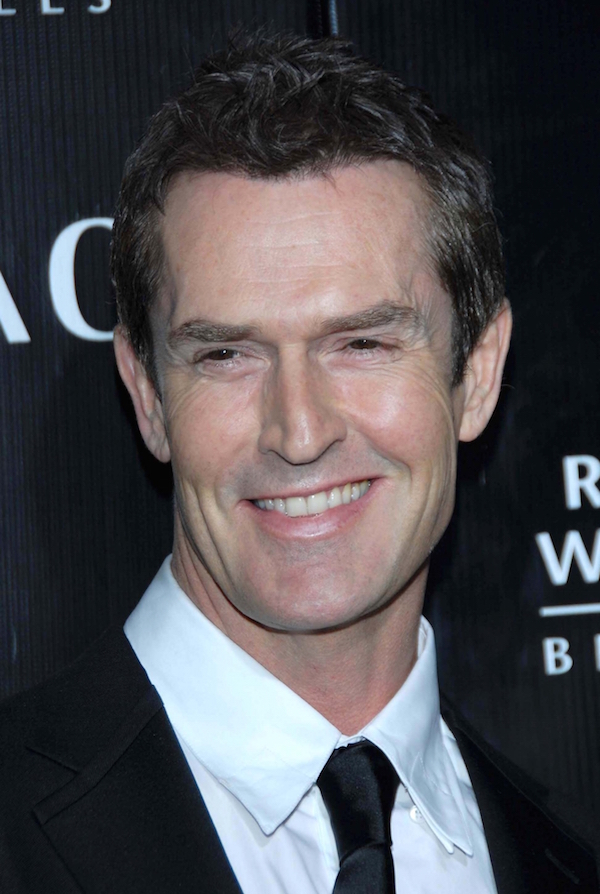
Radio 4’s John Humphrys “relentlessly grills” actor Rupert Everett about being gay and then asks: “Do you think there will ever come a time when you can do an interview and being gay doesn’t even come up?” – People were not happy.
Not a day seemingly goes by when Radio 4’s Today programme and John Humphrys, one of the BBC’s highest-paid talents, trends on Twitter for some reason or another. Today however people were not happy that Humphrys pressed Rupert Everett, who was in the studio to discuss his new film about gay icon, Oscar Wilde, on the actor’s sexuality – even asking Everett if he regretted coming out as gay.
(C) BBC – Photographer: Rolf Marriott
People were not happy.
Rupert Everett appears on @BBCr4today to discuss his new film. John Humphrys relentlessly grills Everett about being gay, and then ends the interview with “Do you think there will ever come a time when you can do an interview and being gay doesn’t even come up?” The year is 2018.
Dear God, what an awful interview — John Humphrys given the chance to talk to Rupert Everett about his new film about Oscar Wilde, but confines himself almost entirely to RE’s sexuality. Even asked if he “regretted” coming out. Atrocious stuff. @BBCr4today
Humphrys asks Rupert Everett if there will ever be a time when he’ll be able to do an interview and not have to talk about being gay. After questioning him about being gay #r4today
John Humphrys asks Rupert Everett whether he thinks there will ever be a time when he does an interview without being asked about being gay…. as if Humphrys had no ability to bring about this state of affairs. #r4today
John Humphreys:
“Rupert Everett, you came out as gay 17 years ago…
“…Do you ever think we’ll get to a situation where you will do an interview and your sexuality will not be mentioned?” @BBCr4today#r4today
The questioning in this interview with Rupert Everett which doesn’t really focus on Wilde or his film is more than a little odd – and what an ironic final question @BBCr4today
Responding to the interview, A BBC spokesperson said, “Since this interview centred around Rupert Everett’s portrayal of, and long-standing interest in, Oscar Wilde, it was not inappropriate to draw parallels between the two men and their experiences of being gay at different points in history.”
Fashion designer Alexander McQueen was a genius He had an eye for fashion but was also a troubled soul. The new documentary McQueen shows the highs, and the lows, of McQueen’s life.
Alexander McQueen, born in London’s East End in 1969, seemed not to be destined to become one of fashion’s hottest and most successful designers in the 1990’s, but according to the documentary, he had talent, talent that can only be described as natural – he was born with it.
McQueen begins with old footage of McQueen talking directly into the camera, footage that was taken at the height of his illustrious career. He enrolled as a student at Central St. Martin’s College of Fashion, and then moved on to Paris to learn the trade, then became a tailer, but it was when he met Isabella Blow, who happened to take him under his wing and, which is, according to the documentary, made him what he was. But McQueen was extremely talented, and not only did he launch his own fashion brand, but at the same time he was also head designer for fashion brand Givenchy all the while picking up various people along the way who became his trusted staff, people who speak to the camera effortlessly and honestly about McQueen and their time together.
But all was not meant to be. McQueen dabbled in cocaine and London’s gay fetish scene, he was under enormous pressure to put together several collections a year, including haute couture, and he had a falling out with Blow, who would commit suicide at the age of 46, which put on more pressure and guilt on McQueen. But it was when his dear mother died when McQueen decided that enough was enough, and ended his pain. He committed suicide at the age of 40 in 2010.
McQueen is an excellent testament to the man who was also called Lee. Through his friends, associates and sister Janet, we really feel that we get to know who Lee actually was ourselves. But it’s through the footage of his fashion shows where we get to see the real talent that he had. His shows were events, some very dark (which explains how deep and troubled he was), and showed how gorgeous, and emotionally beautiful, his creations were. Alexander McQueen died way too young, but through this documentary, you can at least experience his life and work, which was cut way too short.
Wondering where the safest and friendliest places to celebrate pride in 2018?
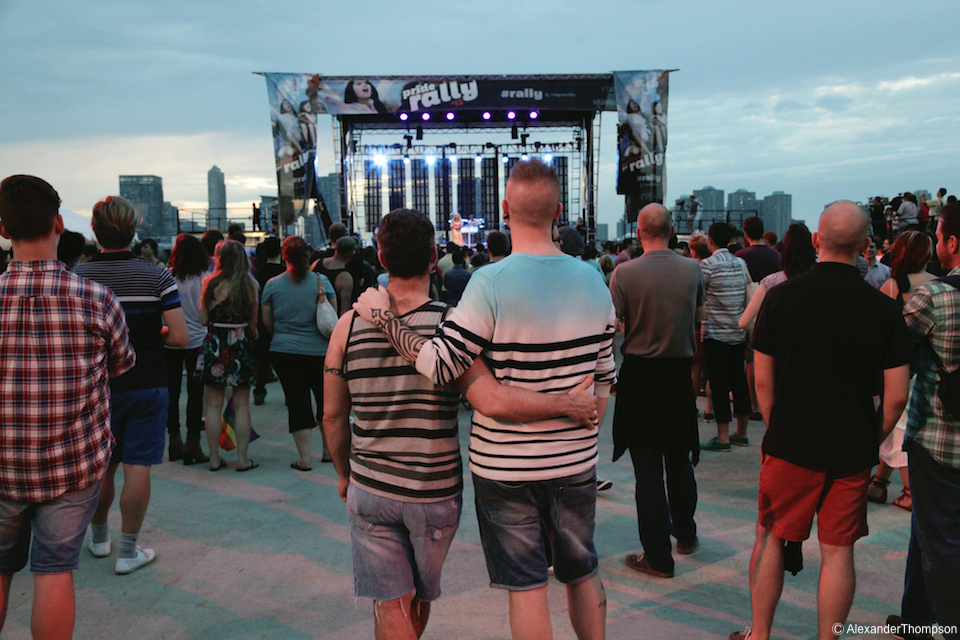
Pride Kickoff Rally 2013, Tribeca, Manhattan
Airbnbreveal the world’s top destinations for an unforgettable Pride this year.
Through a specially commissioned study conducted by ABCD in May 2018, the people-powered hospitality platform with a mission to create a world where anyone can belong anywhere has found out which destinations have the most to offer LGBTQ travellers.
The study looked at 100 cities with the highest Pride attendance worldwide and found out which of these fared best under five different LGBTQ categories, including nightlife and dating. Here are the winning cities and categories:
1. OVERALL WINNER – New York City
The Big Apple not only offers one of the biggest Pride celebrations, it also boasts a bustling nightlife, a busy dating scene, well-established marriage equality and impressive Airbnb stats: the city that sparked the gay Pride movement following the Stonewall riots will welcome over 27,000 guests on Airbnb during Pride Week.
Traditionally a mecca for LGBTQ travellers, it’s no surprise that London topped the ranking for dating. Using data shared with Airbnb by Tinder this May, they discovered that the British capital has the highest per capita usage of LGBTQ Tinder profiles worldwide (via Tinder’s More Genders feature).
Sydney places 9 in the Dating category so why not take your date to Priscilla Queen of the Desert, Australia’s most successful musical? On this Experience, bookable on Airbnb, you’ll get to go behind the scenes and take a sneak peek at the costumes, wigs and make-up from the production that usually only cast and crew get to see.
3. NIGHTLIFE WINNER – New York City
Looking at the number of LGBTQ clubs and bars, New York City is a top destination in this category too.
The city that never sleeps is closely followed in this ranking by 2. Los Angeles, 3. Tokyo, 4. Berlin, 5. Madrid, 6. London, 7. Mexico City, 8. Paris, 9. San Francisco, and 10. Barcelona.
4. PRIDE WINNER – São Paulo, Brazil
Image credit: Ben Tavener / Flickr – https://flic.kr/p/nupESZ
In terms of sheer numbers attending Pride celebrations, São Paulo tops the ranking in this category. Approximately 3 million visitors attended last year’s celebrations.
Liniker, a popular transgender musician from São Paulo, will take guests to some of her favourite local spots and end her experience with a private listening session of her upcoming album.
Airbnb also looked at their list of cities to find out which destinations pioneered LGBTQ marriage equality. In the Netherlands, same-sex marriage was made legal in 2001, making it the first country in the world to do so. This places the cities of Amsterdam, Rotterdam and Utrecht in joint first position.
The Dutch paved the way, but these countries and their respective cities followed closely behind:
6. TRAVEL WINNER – London
For this category, Airbnb looked at cities that had the highest year-on-year growth in Airbnb guest arrivals during Pride. They also identified which cities have the highest number of LGBTQ Experiences on Airbnb and where you can find Airbnb Guidebooks with the highest number of tips for LGBTQ travellers.
160K+guests are expected to check in to an Airbnb during London’s Pride Week
The top city in this ranking is London, followed by 2. Los Angeles, 3. New York, 4. San Francisco, 5. Tokyo, 6. Paris, 7. Montreal, 8. Amsterdam, 9.Berlin, and 10. Barcelona.
DEADPOOL 2 – The foul-mouthed superhero is back in an improvement on the very good first film upping the laughs and story twists – the fourth wall is not just broken as destroyed making the viewer part of the movie throughout.
Just how good is Deadpool?
Nutshell – Our hero fails to kill one villain on a mission resulting in tragic personal consequences. A successful suicide attempt follows but he forgets he is the superhero that cannot die which sets everything in motion. Introduced to the X-men he meets a boy with fiery powers who has a murderous future ahead of him triggering a Terminator time travelling super villain to come back in time to change things – that’s just for starters then it gets complicated, funnier and more exciting by the minute.
Running Time – 119inutes – Cert 15 – this superhero film is definitely not for your young nephew.
Tagline – ‘Prepare for the second coming’ and ‘ From the studio that killed Wolverine’ – underlining this is the superhero franchise with the comedy chops.
The Gay UK Factor – Really??? This movie stars Ryan Reynolds, the sexiest man on the planet not called David Gandy (He has been on top of the sexiest man alive polls). The trouble here is that a lot of the time he is covered face and all in his coverall superhero neoprene outfit and most of the rest of the time to fit with the storyline his face is disfigured. You do get some normal straight shots of Mr Reynolds but you do have that voice throughout so this is a movie to listen to as much as watch and let your imagination run riot…just imaging Ryan Reynolds sitting on our faces for two hours and you will get the picture.
Cast – Ryan ‘time to get off my face’ Reynolds and some other people… well you get Josh Brolin, TJ Miller and appearances from Brad Patt, Matt Damon, Nicholas Hoult and James McAvoy.
Key Player – Well, we would like to write more about Ryan Reynold’s ass, abs and bulging lycra but credit should also go to the superb writing team of Rhett Reese, Paul Wernick and … Ryan Reynolds, is there no end to the man’s talent. Also, the director David Leitch who just gets everything right here in that rare thing a sequel that is a great improvement on the original. Leitch is new to directing after formally being Hollywood’s top stunt guy for such films as The Matrix, 300, Wolverine, XXX, Troy and the Jason Bourne films so you bet the action here is fierce.
Budget – $110 Million less than half that of Infinity War and this is a better film – Already it has made over $630 million in just a few days and that’s just from the gay members of the Ryan Reynolds fan club, so lockdown for Deadpool’s 3 through 10. It is the third biggest grossing movie of the year and climbing just edging out The Greatest Showman and that bird with the beard singing “This Is Me” repeatedly.
Best Bit – 0.47 mins; A prison convoy assault by our heroes and his buds and boy does it go spectacularly wrong in a fashion that only the Deadpool franchise can pull off.
Worst Bit – 0.41 mins Nothing very bad here at all but you do get the slight deja vu feeling when the Terminator back in time plot to change the future kicks in. Also with Josh Brolin playing the bad guy in Marvel’s Avenger’s Infinity War last month do we need him playing a different villain here… does the studio not have a release calendar?
Little Secret – Marvel main man Stan Lee rarely does not appear in this movie. The film was shut down for two days after the death of a stunt woman in the motorcycle chase. We are also promised a wonderful extended cut with an added hour that we cannot wait for but most of all throughout Deadpool makes many references to his pansexuality and the appeal of guys and with the characters of Warhead and Yukio we get the first LGBTQ couple in Marvel history. So this is the gayest superhero film yet.
Further Viewing – With 19 Marvel films to pick from as well as the DC Universe and many others also you may consider the best of Ryan Reynolds naked and topless go straight for Blade Trinity or his gayest roll is The Nines.
Any Good – Absolutely – this is better than Black Panther, Infinity War, Wonder Woman and Guardians 2making it the best superhero movie of the last year. It is so on the money from the first minute to the incredibly funny mid credit scenes. There are countless great pop culture references, superb action sequences and a laugh every 30 seconds. Pure Friday night entertainment, this is what all cinema should be like, just don’t take the kids.
Based on the classic film of the same name, An Officer and A Gentleman tells the story of Zack Mayo, a trainee fighter pilot who is from the wrong side of the tracks and is trying to make his way through the Naval Academy. Paula is a local girl working in a factory where she and her colleagues see the only way of escaping their humdrum lives is by being swept off their feet by a pilot and whisked away. But what starts off as a little bit of fun between the two of them becomes something more, but will either of them admit their true feelings?
The show, and the first act in particular, thunders across the stage with dizzying speed and a relentless energy, in a production which is noisy, loud, bold and incredibly unsubtle; where a collision of lighting, sound, projected images, live music and a barrage of costume changes combine to be the absolute antithesis of the “less is more” school of thought.
Jonny Fines makes for an appealing enough lead as Zack Mayo, with his ridiculously ripped form and a wry smile, nestling in nicely alongside his fellow recruits who appeared to have been hand-picked primarily for their pecs and ‘ceps appeal. But despite the testosterone-fuelled world depicted in the story, the stage belonged firmly to the female ensemble, bringing some decent vocal performances to lift the broadly functional performances of the cast.
Nikolai Foster’s direction takes the scattergun approach of throwing sufficient tricks, bells and whistles at the audience in the hope that some of them will stick, with a roughly even split of hits and misses. The show is set to an eclectic mix of 80’s classics, the musical numbers varied in terms of quality and performance, with a belting rendition of Alone by Emma Williams only serving to highlight the pub circuit stylings of some of the other musical numbers. There is a mix of soft rock classics (“I Want to Know what Love is”, “The Final Countdown”), some bubble-gum pop (“Girls Just Wanna Have Fun”, “Material Girl”) and some of the lesser celebrated 80’s staples (“Hearts on Fire”, “Working for the Weekend”) compounding the scattergun feel of the show, but not necessarily in a bad way.
But that is where the show really hits its stride. It never pretends to be anything other than what it is intended to be, namely a fun, cheesy and fairly corny slice of entertaining escapism. By the time the show draws to a conclusion with its iconic ending set to a sweeping rendition of Up Where We Belong, you can’t help but be suckered in by the feel-good factor of this slice of 80’s cheese.
An Officer and A Gentleman is currently at Sheffield Theatres until the 9th June 2018 before continuing on its national tour
Speaking about the overturn, Human Rights campaigner, Peter Tatchell said, “Bermuda’s Supreme Court was right to rule that the repeal of same-sex marriage by the country’s parliament was unconstitutional.
“Under Bermuda’s constitution and its international treaty obligations the state is duty-bound to guarantee equal treatment and non-discrimination to all its citizens.
“This ruling will encourage and empower legal challenges to criminalisation and marriage inequality across the Caribbean, many of which are bound to succeed. It is indicative of the unstoppable global trend towards LGBT+ equal human rights.”
Rights won and loss
In 2017 Bermuda legalised gay marriage after a couple won the right to marry on the island after a Supreme court challenge found that not allowing gay couples to wed would be discrimination.
The couple used the British Overseas Territory of Bermuda’s Human Rights Act to argue their case. They said that not allowing them to marry constituted as discrimination on the basis of their sexuality, something that the act expressly forbids.
2016 Referendum
In 2016 Bermuda held a non-binding referendum on the issue of same-sex marriage and were asked two questions:
“Are you in favour of same-sex marriage in Bermuda?” and “Are you in favour of same-sex civil unions in Bermuda?”
Both votes were lost by 69 percent and 63 percent respectively with just 46.89 percent of the electorate turning out to vote on the issue. The low turn out makes the referendum invalid according to The Royal Gazette.
In Part two of Simon Sayers-Franklin’s Pride series, he explores the origins of Pride at the Stonewall riots and why we fly our Rainbow Flag!
How Did Pride Begin?
Pride originated on 28th June 1969. Back then police raids on gay bars, like the Stonewall Inn, were common. The authorities would come in, push people around, display violence, intimidate, bully and randomly arrest people. The arrests were frequently made for tiny, inconsequential things such as drag queens wearing more than one or two items of ladies clothing or being caught in compromising positions.
Often the bars, which were largely owned by the Mafia, would bribe the police to tip them off when raids were due to occur. The gay bars would often have two rooms – a bar in the front and a dance floor in the back. Dancefloor lights could be triggered from the bar to send a secret message to the people next door that a raid was about to happen. This allowed them to stop dancing or quickly find an opposite-sex partner if they wished to continue dancing.
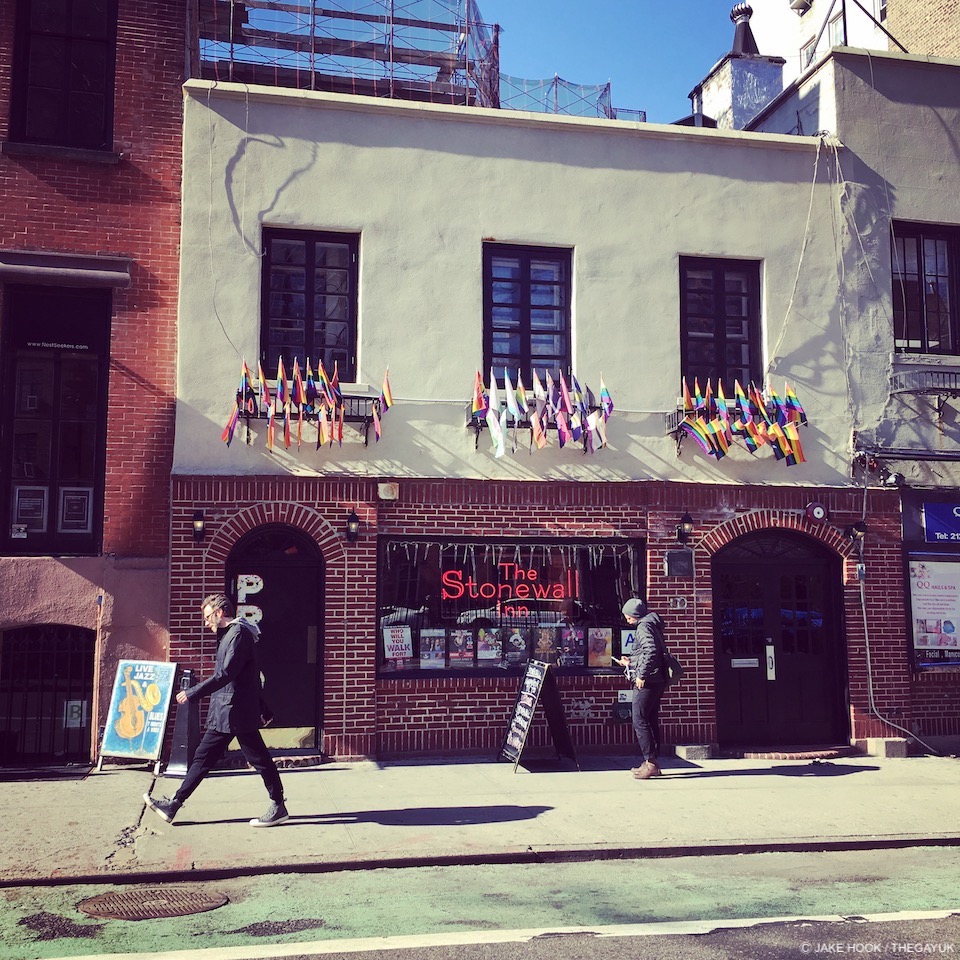
It was in the early hours of the morning on June 28th 1969, that an LGBT friendly bar in New York was subject to a raid – something that was all too common in gay bars. This bar, however, was one of those owned by the Mafia and catered to transgender people, drag queens, effeminate men, sex workers and homeless people of many backgrounds. The bar in question was the Stonewall Inn.
This raid, however, was different from the beginning. Firstly, the owners were not tipped off, secondly, it happened very late; around 1:20 am. There had been rumours about a raid that night but it was dismissed as inaccurate information.
The night it all began, two undercover policemen and two undercover policewomen came in and gathered evidence while the rest of the team waited outside. When those who had gained entry called for backup the music died, the house lights came up and those who realised what was happening ran for the doors and windows in the bathrooms but were blocked in by the police.
There were reportedly over 200 people in the Stonewall Inn that night. Little did the police know, that this as not going to go the way they expected.
Usually, the police would line up the people, check ID and then the female officers would escort those wearing female clothing to the toilets, where they would be subject to physical checks and if men were found wearing female clothes they would be arrested. Not this night. This night everybody refused to produce their ID and those in women’s clothing resisted being taken to the bathrooms. This resulted in high tensions, only made worse by the police who became inappropriate while frisking some of the lesbian patrons.
The police had been sent to seize all of the alcohol, which was apparently bootlegged. While this happened, the people inside were made to wait in the line. Those who hadn’t been arrested were allowed to leave but they congregated outside. It wasn’t long for the crowd to grow – a mix of those who had been released and those who had seen the disturbance and joined out of curiosity. Those who were released exited the bar to rounds of applause and they bowed and posed and it was all very theatrical.
By the time the first police wagon arrived, the crowd had multiplied as much as ten times and as the Mafia were escorted out and put in the van people started shouting “Gay Power.” and others started singing. An officer pushed a drag queen who hit him with her purse. People threw debris at the wagon and that was when a woman, thought to be, Stormé DeLarverie, was dragged out in handcuffs. She kept escaping and fought four police officers. When she complained the handcuffs were too tight she was hit over the head with a baton and screamed: “Why don’t you guys do something?”
It was this moment that triggered the riots that would go on to last six days!
Who threw the first brick at the Stonewall Riots
The patrons of the bar had taken enough and were sick of being pushed around. It was reported that the drag queens and trans women of colour were among the first to fight back. It was Marsha P. Johnson, a black, gender non-conforming, sex worker, a founding member of Gay Liberation Front and a popular member of the New York gay and art scenes, who was apparently one of the first to kick off her heels and fight the police. It is, however, unclear what role Johnson played in the events that night. She disputed that she was the one to start the riot by claiming she arrived at 2 am when the place was already on fire – a fire she claimed was started by the police.
These riots were a major moment for LGBT people and Stonewall became an iconic image of rebellion and resistance. It stood for our strength and our refusal to back down.
It was the next year, 1970, that the first Pride march was held in New York on the anniversary of the Stonewall riots. From that moment we have continued to celebrate Pride in the month of June to honour those who kickstarted a revolution. We march to represent our strength and unity. Our community is strong together and Pride shows just that! In modern days it still has political undertones but these days in the western world particularly, our events stand for inclusivity, visibility, having fun and celebrating love and equality rather than fighting for it.
Why Do We Have a Rainbow Flag?
The flag was devised by artist Gilbert Baker after he was challenged by Harvey Milk (another hero and martyr for the LGBT community), to create a “symbol of Pride” to represent the LGBT community. It debuted at the 1978 Gay Freedom Day Parade and has been an icon of our community from that day.
The original rainbow flag as created by Gilbert Baker
There were originally eight colours in the rainbow instead of six:
Hot Pink represented sex/sexuality. It was taken out due to manufacturing issues after Baker approached a company to mass produce the flag. Apparently, the hot pink fabric was too expensive to make.
Turquoise, representing magic and art, was lost when the Pride Parade Committee wanted to fly the flag in two halves along both sides of the street for the 1979 Gay Freedom Day parade. Turquoise was dropped to leave six stripes, therefore, leaving an equal number to split.
Red is life.
Orange is healing.
Yellow is sunlight.
Green is nature.
Indigo is serenity
Violet is spirit.
A modern variation, created in 2017, added black and brown stripes to highlight the People of Colour within the LGBT community. There were a mixed reaction and a lot of controversies because of how the flag never represented “race” and was always meant to represent aspects of life that apply to everybody, regardless of ethnicity. It also caused upset by changing the artist’s original vision.
Got a voice? Want to share with the world? Are you a member of the LGBT+ community in the UK?
Here’s what you should know before you get started.
THEGAYUK.com is currently contributed to by over 180 volunteers. Unfortunately, we are unable to pay for your contributions, but we hope that contributing to THEGAYUK.com brings plenty of benefits to you and to the community we serve.
Since we started we have had nearly 200 distinct voices added to our archive. They span the length and breadth of the UK and abroad, from all different walks of life. It’s part of what makes THEGAYUK.com so unique.
You don’t have to be gay to contribute, in fact, you don’t have to identify LGBT+ to contribute, but we do ask that your writing focus is in keeping with our mission, which is to connect, entertain and empower the LGBT+ community of the UK.
We are an equal opportunities organisation.
Before signing up we suggest you read our terms, which include our privacy policy and legal requirements of uploading content to THEGAYUK.com. If you want to check our style guide, editorial policy and written style please click here.
After you’ve signed up, we’ll send you an email with your login details and advice on how to get started. Please check your SPAM folders for our emails. This signup form is only for writers. If you are looking for our social network you should log in here.